Historic Streets
Minsk, Belarus
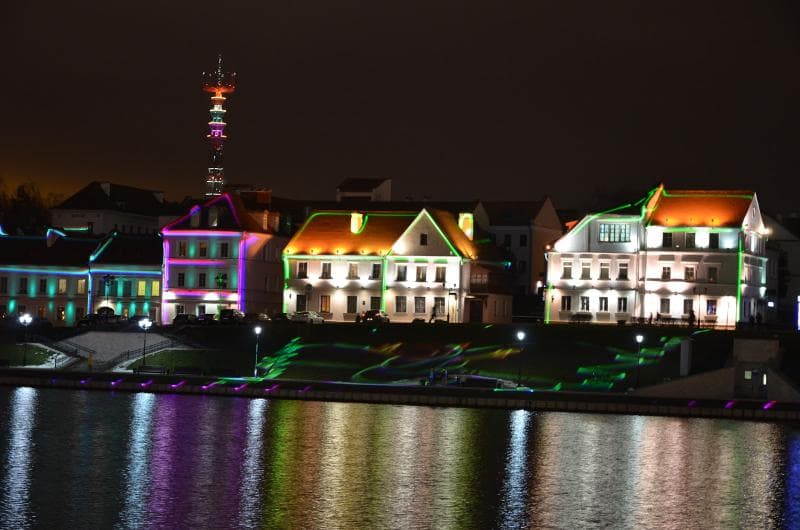
Explore the Historic Streets of Upper Town, Minsk, Belarus – the city's heart with Baroque architecture, ancient cathedrals, and captivating history.
Overview
The Historic Streets of the Upper Town in Minsk, Belarus, offer a captivating journey into the city's rich past. This elevated district, known locally as the 'High Market' or 'Verkhni Horad', stands as the historical and cultural heart of the Belarusian capital. It is a vibrant blend of architectural styles, narrow lanes, and cozy squares, telling stories of centuries gone by. Today, the Upper Town is a beloved destination for walks, leisure, and sightseeing, drawing visitors to explore its unique atmosphere.
History & Cultural Background
The history of the Upper Town dates back to the 12th century, when early settlers appeared, though its distinct form began to take shape significantly in the 16th century. Minsk was granted Magdeburg rights in 1499, allowing it self-governance, which marked a pivotal moment for the Upper Town. It quickly became the administrative and architectural center of the city, where wealthy residents built their homes, and churches, monasteries, and the original Town Hall were erected. The area thrived as the focal point of city life in the 17th and 18th centuries, hosting fairs and important civic decisions. However, Minsk endured significant destruction from fires and wars, particularly during the Russo-Polish War (1654-1667) and World War II, which severely damaged or destroyed many historical buildings. Despite these challenges, much of the Upper Town has been meticulously restored or rebuilt, with efforts continuing after WWII to preserve its historical essence, creating a unique urban planning art that blends various epochs and styles.
What Makes It Special
The Upper Town's special charm lies in its architectural diversity, showcasing monuments of Baroque, Classicism, Renaissance, and even some Modernist influences. The reconstructed Minsk Town Hall, a symbol of municipal governance, proudly stands in Freedom Square, serving as a focal point. Nearby, the majestic Holy Spirit Cathedral, originally a 17th-century Bernardine convent church, is a prominent example of Vilnius Baroque and houses the revered Minsk Icon of the Mother of God. Another significant landmark is the Cathedral of the Name of the Blessed Virgin Mary, an early 18th-century Jesuit church known for its unique frescoes. The area boasts narrow, often cobblestone, pedestrian zones like Music Lane, Hertsen Street, and Cyril and Methodius Street, which retain authentic architecture and reflect the old town's layout. These historic streets offer a stark contrast to the more monumental Soviet-era architecture found in other parts of Minsk, providing a window into the city's pre-revolutionary past.
Stories, Fun Facts & Local Details
One of the most engaging local details is the reenactment of the medieval trumpet signal that once opened market days, which you might catch at noon near the Town Hall steps. The granting of Magdeburg rights in 1499 gave Minsk its own coat of arms and laid the foundation for its self-governance, symbolized by the Town Hall. Inside the Holy Spirit Cathedral, visitors can find the Minsk Icon of the Mother of God, a significant relic in Belarus painted in the 16th century. From May to September, the area around the Town Hall comes alive with free concerts, theatrical performances, and fairs held every Saturday. Just a short walk from the main square, Zybitskaya Street, often referred to as the 'Bar Mile,' offers a lively atmosphere with numerous pubs and clubs. Exploring the Upper Town reveals former noble estates, like the Wankowicz House, which now serves as a museum, giving insight into the lifestyle of Belarusian nobility.
Visitor Perspective
For any curious traveler, the Historic Streets of the Upper Town offer an immersive experience, allowing one to step back in time and appreciate Minsk beyond its Soviet-era facade. It's highly recommended to wear comfortable walking shoes, as the authentic 19th-century cobblestones can be slippery after rain. The district is perfect for leisurely strolls, with many cozy cafes and souvenir shops to explore. To capture the beauty of the Baroque facades in warm light, late afternoon visits are suggested, while weekday mornings offer a quieter experience for photography. For panoramic views of the Svislach River and the Trinity Suburb, an observation platform near the Holy Spirit Cathedral is an excellent spot, especially around sunset. The Upper Town is conveniently located within walking distance of the Nemiga metro station and serves as a great starting point for further exploration of historical areas like the Trinity Suburb.
Coordinates: 27.56653, 53.90019
View on Google Maps💬 How Travelers Describe This Place
Based on community votes
Photogenic
799Beautiful
639Unique
526Must See
366Interesting
181
Traveler Stories
Discover memorable experiences shared by travelers who have visited this place.
No traveler stories yet.
Be the first traveler to share what made this place memorable.

Tour
By
Spot
Discover amazing places around the world. Your journey starts here.
Explore
© 2026 TourBySpot. All rights reserved.