Tierpark Hagenbeck
Hamburg, Germany
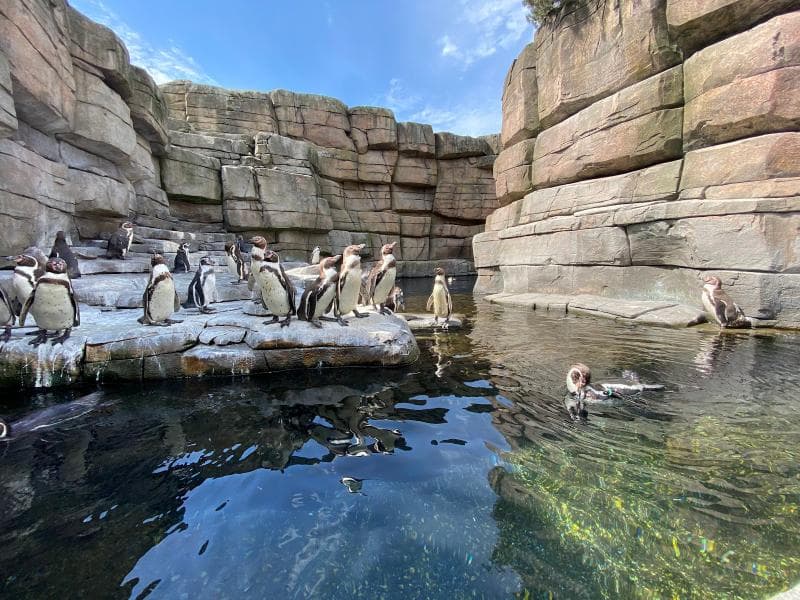
Explore Tierpark Hagenbeck in Hamburg, Germany, the world's first bar-less zoo. Discover its pioneering history, unique animal habitats, and diverse species.
Overview
Nestled in the vibrant city of Hamburg, Germany, Tierpark Hagenbeck stands as a testament to zoological innovation and a beloved destination for travelers. Opened to the public in 1907 by Carl Hagenbeck Jr., this remarkable park is not merely a zoo but a pioneering institution that revolutionized the way animals are exhibited. It is renowned globally as the first zoo to feature bar-less, open enclosures, utilizing moats and natural landscapes to create an immersive experience for both animals and visitors. Still owned and operated by the Hagenbeck family, now in its sixth generation, the Tierpark maintains a unique blend of historical significance and modern animal care practices. The park is home to a diverse collection of over 1,400 animals, representing hundreds of species from around the globe, and extends its offerings with the impressive Tropical Aquarium, which opened its doors in 2007. Visitors can journey through various habitats, from the icy expanse of the Polar Sea to lush tropical environments, discovering a world of wildlife within Hamburg's city limits.
History & Cultural Background
The origins of Tierpark Hagenbeck trace back to 1863, when Carl Hagenbeck Sr., a fishmonger with a passion for exotic creatures, began collecting animals that arrived through Hamburg's bustling port. His son, Carl Hagenbeck Jr., inherited this fascination and further developed the family's animal trade into a vision that would transform zoological parks worldwide. In 1896, Carl Hagenbeck Jr. patented his groundbreaking idea of the 'panorama' exhibit, which involved replacing traditional barred cages with open, naturalistic enclosures separated by concealed moats. This innovative concept allowed animals to be displayed in environments that closely resembled their natural habitats, creating a more dynamic and engaging viewing experience. The modern Tierpark Hagenbeck officially opened on May 7, 1907, embodying this revolutionary design. Hagenbeck's influence extended globally, as he went on to design other zoos, including the Rome Zoo in 1911, using his signature bar-less style. The park also famously introduced the 'monkey rock' exhibit, an artificial crag designed for hamadryas baboons.
However, the park's history also carries a complex and controversial past. In the late 19th and early 20th centuries, Carl Hagenbeck Jr. was also involved in the practice of 'human zoos,' known as Völkerschauen, exhibiting indigenous people from various cultures alongside animals. This practice, while common at the time, is now widely condemned and represents a challenging aspect of the park's cultural background, prompting ongoing critical reevaluation of its founder's legacy. During World War II, the Tierpark suffered significant destruction in the 1943 bombings of Hamburg, known as Operation Gomorrha. The park was subsequently rebuilt through immense effort, with a poignant detail being the participation of the zoo's Indian elephants in clearing the rubble and aiding in the city's reconstruction.
What Makes It Special
Tierpark Hagenbeck's enduring appeal lies in its pioneering design and commitment to creating naturalistic environments. Its bar-less enclosures, a revolutionary concept when first introduced, continue to offer visitors an unparalleled sense of connection with the animals, making it feel as though one is on a safari rather than in a traditional zoo. The park was also an innovator in grouping animals by species, enhancing educational opportunities and facilitating a deeper understanding of animal behavior. Beyond its historical significance in zoo architecture, Hagenbeck is recognized for its dedication to conservation, being the first zoo in Germany to receive an international eco-label, highlighting its efficient resource use and species protection programs.
Among its modern highlights is the Tropical Aquarium, an impressive 8,000-square-meter facility opened in 2007. Here, visitors can embark on an underwater journey, observing over 350 species, including sharks, rays, and crocodiles, through expansive glass panorama windows. Another exceptional area is the Eismeer, or Polar Sea, also covering 8,000 square meters. This Arctic-themed habitat provides breathtaking views of polar bears, penguins, seals, and walruses, with walkthrough tunnels allowing for unique perspectives of these cold-climate inhabitants both above and below the water. Architecturally, the park boasts the magnificent Art Nouveau Elephant Gate, built in 1907, which remains a listed building and a striking entrance feature, alongside life-sized dinosaur sculptures by Josef Pallenberg.
Stories, Fun Facts & Local Details
Over its long history, Tierpark Hagenbeck has generated numerous memorable stories and intriguing facts. One of the most famous residents was Antje, a female walrus who became the beloved mascot for the North German broadcasting network NDR from 1983 to 1996. After her passing in 2003, Antje was preserved and is now on display at the Zoological Museum of Hamburg, a testament to her local celebrity. Another amusing incident occurred in 1956 when 45 rhesus monkeys staged a dramatic escape, causing quite a stir as they roamed freely through the streets and homes of Hamburg, much to the surprise of local residents.
The park is also known for its free-roaming animals, including graceful peacocks, curious capybaras, and Patagonian maras, adding an element of surprise and delight as they wander alongside visitors. The beautiful Sala Thai, a traditional Thai pavilion and lake, offers a serene spot for reflection. For those seeking a more interactive experience, the zoo sometimes offers opportunities to feed the Asian elephants on weekends, providing a direct connection to these majestic creatures.
Visitor Perspective
A visit to Tierpark Hagenbeck is often described as an enchanting journey that transcends the typical zoo experience. Many travelers feel they are stepping into distant, exotic lands, a feeling amplified by the naturalistic enclosures and the diverse array of animals. The park's emphasis on species-appropriate animal husbandry and active participation in nature conservation resonates deeply with environmentally conscious visitors. Beyond the animal exhibits, the Tierpark offers educational programs for all ages, making it a valuable learning environment.
Conveniently located in Stellingen, the park is easily accessible via public transport, with its own U2 metro station, 'Hagenbecks Tierpark.' It is open year-round and is designed to be wheelchair-friendly, ensuring accessibility for all guests. Whether it is the awe-inspiring sight of a polar bear swimming gracefully underwater, the playful antics of the monkeys, or simply a stroll through the beautifully landscaped grounds, Hagenbeck offers a unique and memorable experience that intertwines entertainment, education, and a deep appreciation for the natural world.
Coordinates: 9.93778, 53.59639
View on Google Maps💬 How Travelers Describe This Place
Based on community votes
Interesting
879Photogenic
741Beautiful
482Unique
396Must See
274
Traveler Stories
Discover memorable experiences shared by travelers who have visited this place.
No traveler stories yet.
Be the first traveler to share what made this place memorable.
Things to see at Tierpark Hagenbeck



Tour
By
Spot
Discover amazing places around the world. Your journey starts here.
Explore
© 2026 TourBySpot. All rights reserved.