Themed Pathways
Hamburg, Germany
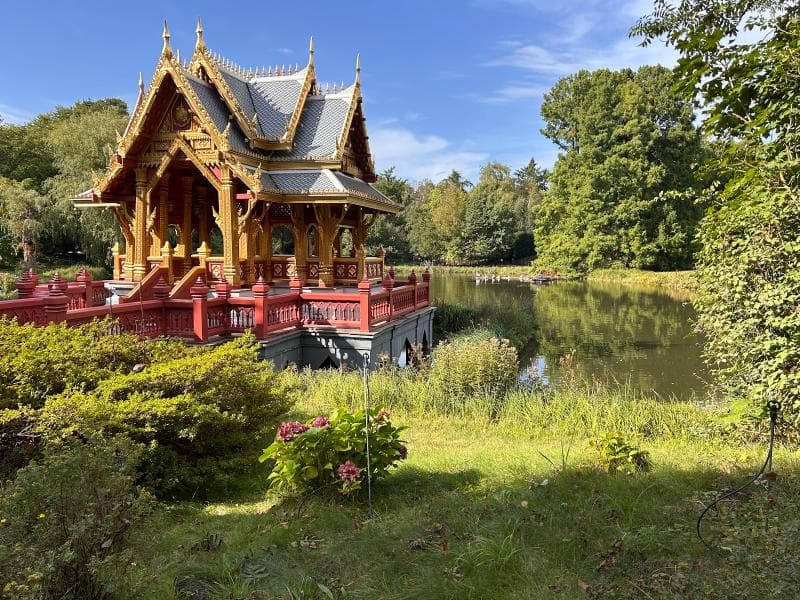
Explore Tierpark Hagenbeck's innovative Themed Pathways in Hamburg, Germany, offering immersive barless animal panoramas like the Afrika-Panorama and Eismeer.
Overview
Tierpark Hagenbeck, nestled in Hamburg, Germany, transcends the traditional zoo experience, inviting visitors on an extraordinary journey through what can best be described as 'Themed Pathways'. Instead of mere enclosures, Hagenbeck is renowned for its pioneering design philosophy, where routes are meticulously crafted to immerse guests in distinct geographical and ecological zones from across the globe. This innovative approach offers an uninterrupted vista of wildlife thriving in environments that closely mimic their natural habitats, making every step an exploration.
History & Cultural Background
The visionary behind this revolutionary concept was Carl Hagenbeck Jr., who opened the Tierpark in 1907. His legacy built upon his father's animal trading business, which commenced as early as 1848. Carl Hagenbeck's transformative ideas in zoo architecture, often referred to as the 'Hagenbeck revolution,' were patented in 1896. His groundbreaking vision moved away from the confining cages prevalent in zoos of his era, opting instead for 'panoramas'—expansive, barless landscapes where animals appeared to coexist harmoniously. This illusion was ingeniously achieved through the use of cleverly hidden moats and natural barriers, allowing for clear, unobstructed views.
However, the park's early history also includes the controversial practice of 'Völkerschauen,' or 'human zoos,' where indigenous people were exhibited. This aspect of Carl Hagenbeck's past is a complex and regrettable part of the zoo's cultural backdrop, generating ongoing discussion and critical re-examination in Hamburg. Despite this, the architectural innovations for animal display profoundly influenced zoo design worldwide, setting a new standard for naturalistic animal presentation. During World War II, the Tierpark suffered significant damage but was subsequently rebuilt and expanded, with Indian elephants even assisting in the removal of rubble.
What Makes It Special
What truly sets Tierpark Hagenbeck apart are its meticulously designed themed zones. The 'panorama concept' is the cornerstone, creating an immersive sense of an untamed wilderness. Visitors encounter the 'Afrika-Panorama,' a celebrated section that simulates the expansive African savannah. Here, zebras, ostriches, impalas, majestic giraffes, and powerful lions roam within a carefully crafted landscape, separated from onlookers by cunningly disguised moats.
Another breathtaking example is the 'Eismeer,' or Polar Sea, an 8,000-square-meter Arctic-themed realm. This innovative area allows guests to observe polar bears, walruses, seals, and penguins both above and beneath the water through vast panorama windows. A 750-meter long pathway guides visitors through this frosty landscape, transporting them to the remote poles. Complementing these outdoor panoramas is the 'Tropical Aquarium,' an expansive, multi-level environment. This indoor expedition leads through the jungles and underwater worlds of Africa, South America, and Asia, featuring an array of exotic life including free-roaming lemurs, formidable crocodiles, various snakes, and an impressive shark atoll.
Stories, Fun Facts & Local Details
Tierpark Hagenbeck holds the distinction of remaining family-owned for six generations, a testament to its enduring legacy. A curious historical detail is Carl Hagenbeck's precise study of animal behavior; he meticulously measured the jumping distances of various species to engineer the hidden moats effectively, ensuring both animal containment and visitor safety without visible bars. The park is also dedicated to modern conservation efforts, actively participating in breeding programs for endangered species. The significant botanical diversity within the park adds another layer to its themed environments, enriching the visitor's journey through different ecosystems. This blend of zoological excellence and horticultural artistry creates a truly unique atmosphere.
Visitor Perspective
For the curious traveler, traversing Hagenbeck's Themed Pathways is akin to embarking on a genuine world tour. The design ethos ensures that each path and panorama offers an immersive experience, making one feel transported to distant lands. The clever architecture allows for intimate, unobstructed views of animals in settings that feel wild and authentic, rather than artificial. This thoughtful layout makes the park an engaging and educational adventure for visitors of all ages, with many areas being wheelchair accessible to ensure inclusivity. It's a place where the feeling of discovery is paramount, and the stories of the animal kingdom unfold around every corner.
Coordinates: 9.93809, 53.59685
View on Google Maps💬 How Travelers Describe This Place
Based on community votes
Photogenic
989Must See
791Interesting
613Beautiful
514Unique
207
Traveler Stories
Discover memorable experiences shared by travelers who have visited this place.
No traveler stories yet.
Be the first traveler to share what made this place memorable.

Tour
By
Spot
Discover amazing places around the world. Your journey starts here.
Explore
© 2026 TourBySpot. All rights reserved.