Reptile House
Hamburg, Germany
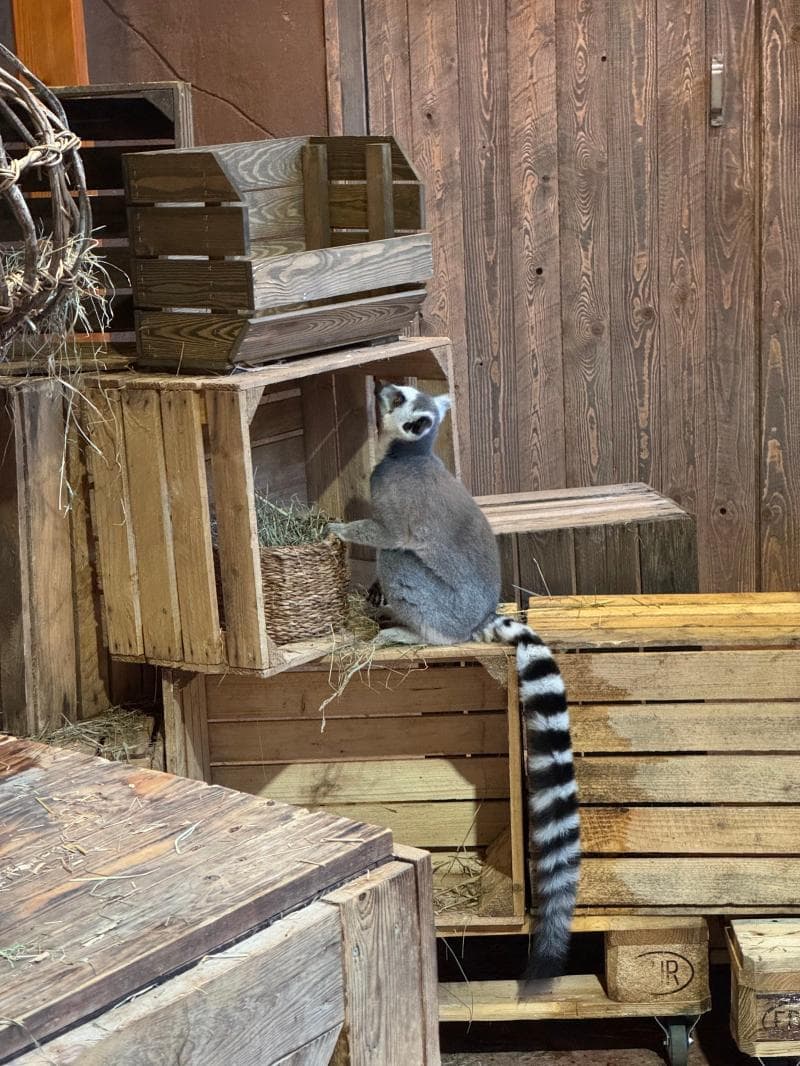
Explore the Reptile House (Tropen-Aquarium) at Tierpark Hagenbeck in Hamburg, Germany, an immersive journey into tropical and subtropical worlds.
Overview
Deep within the expansive grounds of Tierpark Hagenbeck in Hamburg, Germany, lies a truly immersive world dedicated to the planet's diverse reptilian and amphibian inhabitants: the Reptile House. While officially known as the Tropen-Aquarium (Tropical Aquarium), this spectacular 8,000 square meter facility offers an expedition through tropical and subtropical ecosystems, showcasing over 350 species, many of which are reptiles and amphibians. It's an environment meticulously crafted to transport visitors from northern Germany to lush rainforests, arid deserts, and mysterious cave systems, all under one roof. Unlike traditional exhibits, the Reptile House employs naturalistic barriers, fostering a sense of intimate connection with the animals without compromising their welfare.
History & Cultural Background
The legacy of exhibiting exotic animals runs deep within the Hagenbeck family, pioneers in zoological park design. Carl Hagenbeck, who founded Tierpark Hagenbeck in 1907, revolutionized zoos by introducing open, bar-less enclosures, striving to present animals in settings that resembled their natural habitats. His father, a fishmonger, initially began a side business dealing in exotic animals, including rare reptiles, establishing a long-standing connection between the Hagenbeck name and these fascinating creatures. Carl Hagenbeck himself was deeply involved in the international trade and exhibition of reptiles, with historical records detailing his 'largest reptile exhibition in the world' in Vienna in 1897, featuring giant crocodiles and snakes. The current Tropen-Aquarium, opened in 2007 to mark the zoo's 100th anniversary, continues this rich tradition, building upon the foundation of an earlier 'Troparium' that opened in 1960 and also exhibited giant reptiles such as alligators and Galapagos tortoises.
What Makes It Special
What truly sets Hagenbeck's Reptile House apart is its commitment to creating authentic and interactive experiences. The facility is ingeniously divided into three interconnected thematic worlds: the tropical world, the cave world, and the serpent village, each offering unique insights into different reptilian habitats. Visitors can come face-to-face with an array of species, from the vivid hues of poison dart frogs to the impressive scale of giant serpents like the reticulated python, and the formidable presence of Nile crocodiles. The large crocodile lake, viewable both from a platform and through an underwater window, allows for an extraordinary perspective on these ancient predators. The 'serpent village' area, in particular, is designed to house some of the world's most venomous snakes, alongside fascinating arachnids like Indian ornamental tarantulas, offering a thrilling yet safe encounter. The Reptile House also actively participates in the European Endangered Species Programme (EEP), contributing to the conservation of threatened species through successful breeding programs.
Stories, Fun Facts & Local Details
The design of the Tropen-Aquarium encourages discovery and wonder. In the tropical hall, basilisk lizards move freely, creating a dynamic environment that mimics their natural behavior. Hagenbeck's commitment to animal welfare is also evident in its innovative training programs; for instance, the Nile crocodiles are reportedly trained to respond to their names and commands, facilitating veterinary care and enrichment. Another captivating aspect is the unique co-habitation exhibits where different species, such as rattlesnakes and Gila monsters, or crocodile tegu lizards with basilisks and poison dart frogs, peacefully coexist, reflecting complex ecosystem dynamics. While the focus is on reptiles, the facility also features a spectacular Great Shark Atoll, with a 14-meter long panoramic window, which, although aquatic, is part of the same grand expedition through diverse biomes. The building itself is modeled on a derelict Asian monastery complex, further enhancing the sense of an exotic adventure.
Visitor Perspective
Stepping into the Reptile House is a sensory journey. The warm, humid air, the dense tropical foliage, and the distinct sounds immediately transport one to distant lands. The expedition-like circuit guides visitors through winding paths, offering continuous new discoveries. It's an all-weather destination, providing a warm and engaging escape, especially on colder or rainy days in Hamburg. Visitors praise the beautifully designed exhibits and the opportunity for close-up observations of these often-misunderstood creatures. The careful layout ensures that people of all ages can explore and learn through direct experience, making it a place of wonder and education for families and curious travelers alike.
Coordinates: 9.93778, 53.59639
View on Google Maps💬 How Travelers Describe This Place
Based on community votes
Photogenic
791Interesting
457Unique
252Must See
147Beautiful
19
Traveler Stories
Discover memorable experiences shared by travelers who have visited this place.
No traveler stories yet.
Be the first traveler to share what made this place memorable.

Tour
By
Spot
Discover amazing places around the world. Your journey starts here.
Explore
© 2026 TourBySpot. All rights reserved.