Széchenyi Thermal Bath
Budapest, Hungary
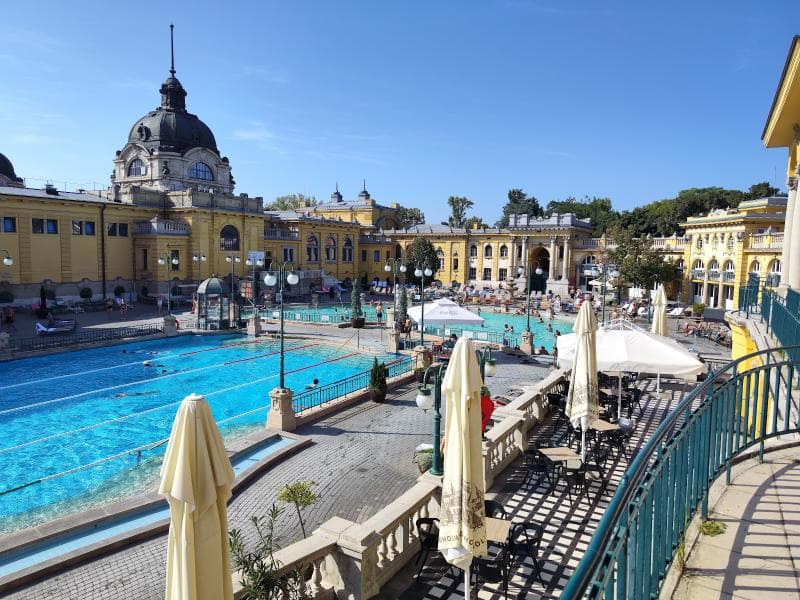
Discover Széchenyi Thermal Bath in Budapest, Hungary. Europe's largest medicinal bath, famed for its Neo-Baroque architecture, healing waters, and unique cultural experiences like poolside chess. Explore its history and plan your visit.
Overview
Nestled in Budapest's expansive City Park, the Széchenyi Thermal Bath stands as one of Europe's largest and most magnificent medicinal bath complexes. Opened in 1913, this architectural marvel captivates visitors with its striking Neo-Baroque design and offers an unparalleled experience of relaxation and rejuvenation. The sprawling complex features a remarkable array of both indoor and outdoor pools, each with varying temperatures, fed by natural thermal springs that have long been celebrated for their healing properties. It is not merely a bathhouse but a vibrant hub where history, wellness, and local culture converge, inviting travelers to immerse themselves in Hungary's rich bathing traditions.
History & Cultural Background
Budapest's deep connection to thermal waters dates back to Roman and Ottoman times, with the city's unique geological makeup providing abundant natural hot springs. The story of Széchenyi Thermal Bath began in 1879 when mining engineer Vilmos Zsigmondy discovered a significant thermal spring beneath City Park. This pivotal find paved the way for what would become a grand spa. Construction of the bath commenced in 1909, based on the designs of architect Győző Czigler, in a lavish Neo-Baroque style.
Originally conceived as the 'Artesian Spa,' it officially opened on June 16, 1913, under the name Széchenyi Thermal Bath, honoring István Széchenyi, often referred to as 'the greatest Hungarian.' The bath quickly gained popularity, leading to a significant expansion in 1927 that saw the addition of three outdoor pools and numerous indoor facilities, transforming it into the extensive complex seen today. The growing demand necessitated a second, deeper thermal spring, discovered in 1938, which supplies 77°C water daily. Despite sustaining damage during World War II, the baths demonstrated remarkable resilience, reopening in 1945. Extensive renovations between 1999 and 2009 have ensured its continued grandeur and functionality.
What Makes It Special
What truly sets Széchenyi Thermal Bath apart is its impressive scale and the exquisite artistry integrated into its design. As one of Europe's largest medicinal baths, it boasts a total of 18 pools, including three grand outdoor pools that are iconic. The Neo-Baroque architecture is a visual feast, characterized by ornate domes, majestic arches, and intricate decorations rich with water allegories – from fish and swans to dolphins and mythical mermaids, making it feel like a 'palace of a marine kingdom.'
The therapeutic qualities of its waters are renowned, sourced from two natural thermal springs. The water is rich in beneficial minerals such as sulfate, calcium, magnesium, bicarbonate, metaboric acid, and fluoride, which are widely believed to offer healing properties for various ailments, particularly those affecting joints and muscles. Beyond its medicinal benefits, Széchenyi was notably one of the pioneering baths to allow co-ed bathing across all its sections by the 1980s, reflecting an evolving and inclusive approach to Budapest's traditional bathing culture.
Stories, Fun Facts & Local Details
Széchenyi is more than just a place for a thermal soak; it's a living canvas of Hungarian culture and tradition. Perhaps its most famous visual is that of elderly Hungarian men engaged in spirited chess games directly in the warm outdoor pools, a delightful and enduring local tradition that has captured the imagination of visitors worldwide.
A curious anecdote tells of the Budapest Zoo's hippopotamuses, whose remarkable fertility is often attributed to bathing in the same thermal waters that feed Széchenyi. Early expansions of the outdoor areas in 1927 even included vast sandy areas, intending to bring the feel of a beach to the heart of Budapest. For those seeking a unique nighttime experience, Széchenyi is also famous for hosting 'Sparties' – vibrant bath parties that combine electronic music with the atmospheric setting of the thermal pools. Locals often recommend visiting during the early morning hours to experience a quieter, more serene ambiance, often shared with only a handful of residents as the morning mist rises.
Visitor Perspective
For a truly immersive experience, visitors are encouraged to embrace a few local insights. Arriving early in the morning or late in the evening is highly recommended to avoid peak crowds and capture stunning photographs in a more tranquil setting. Essentials to bring include a swimsuit, a towel, and, crucially, flip-flops, as footwear is often mandatory outside the pools. While towels and flip-flops can be purchased or rented on-site, bringing your own can save time and effort.
To bypass potential queues, especially during busy periods, consider purchasing fast-track tickets online in advance. Upon entry, you'll choose between a private cabin or a locker for your belongings. While the outdoor pools are a major draw, don't overlook the beauty of the indoor pools, which offer a more traditional and often quieter atmosphere with their stunning traditional designs. It's also important to note that lifeguards strictly enforce a 'no drinking alcohol in the water' policy for safety and hygiene. Typically, the bath is not recommended for children under 14 years of age unless accompanied by a medical certificate, ensuring a mature and relaxing environment for all guests.
Coordinates: 19.081, 47.5188
View on Google Maps💬 How Travelers Describe This Place
Based on community votes
Unique
683Interesting
642Photogenic
300Must See
251Beautiful
88
Traveler Stories
Discover memorable experiences shared by travelers who have visited this place.
No traveler stories yet.
Be the first traveler to share what made this place memorable.
Things to see at Széchenyi Thermal Bath



Tour
By
Spot
Discover amazing places around the world. Your journey starts here.
Explore
© 2026 TourBySpot. All rights reserved.