Neo-Baroque Buildings
Budapest, Hungary
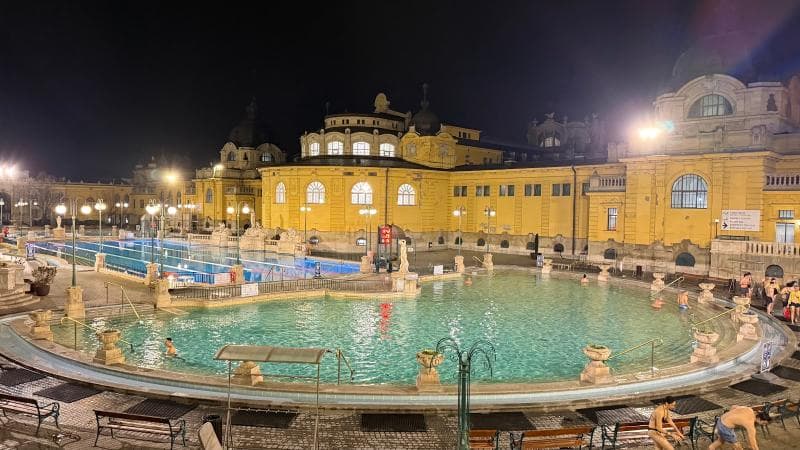
Discover the stunning Neo-Baroque buildings of Széchenyi Thermal Bath in Budapest, Hungary. Explore its rich history, unique architecture, and cultural significance.
Overview
Nestled in the heart of Budapest's City Park, the Széchenyi Thermal Bath is much more than just a place for relaxation; it is a magnificent testament to Neo-Baroque architecture. The striking yellow buildings, adorned with intricate details, stand as one of Europe's largest and most celebrated medicinal bath complexes. From the moment one approaches, the grandeur of its design promises an experience that blends historical elegance with the soothing power of thermal waters.
These iconic Neo-Baroque structures house a vast array of pools, both indoors and outdoors, creating a therapeutic oasis that has captivated visitors for over a century. The architectural style, a rich blend of Neo-Baroque and Neo-Renaissance elements, showcases a deliberate embrace of water metaphors and allegories throughout its design.
History & Cultural Background
The story of the Széchenyi Thermal Bath's buildings began long before its official opening. Budapest, often hailed as the 'City of Spas,' has a deep-rooted bathing culture stretching back to Roman and Ottoman times. The idea for a grand thermal establishment on the Pest side of the city gained momentum in the late 19th century, following the successful drilling of deep artesian wells by engineer Vilmos Zsigmondy in the City Park.
Initially referred to as the 'Artesian Spa,' the vision for a more permanent and spectacular facility materialized with the designs of the esteemed architect Győző Czigler. Construction commenced in 1909, and although Czigler passed away before its completion, his colleagues Ede Dvorak and Kálmán Gerster saw the project through. The Széchenyi Thermal Bath officially opened its doors on June 16, 1913. The original building was smaller than what we see today, but its immense popularity led to a significant expansion in 1927, based on plans by Imre Francsek, which added the renowned outdoor pools.
What Makes It Special
The Neo-Baroque buildings of Széchenyi Thermal Bath are a visual spectacle, designed to impress and enchant. Their special character lies in the harmonious fusion of functional bathhouse architecture with the opulent, decorative flair of the Neo-Baroque style. Grand arches, ornate domes, and a striking yellow facade define the exterior, giving it a palatial appearance. Inside, visitors are met with a profusion of artistic details: intricate mosaics, sculptures, and painted windows that celebrate the element of water.
The decorations often depict water mythological figures, including gods, goddesses, mermaids, and various aquatic creatures like dolphins, fish, and swans, creating a rich narrative within the bath's environment. Even the lampposts and wall reliefs contribute to this thematic richness. This attention to detail transforms a simple visit to a thermal bath into an immersive cultural and aesthetic journey, making the architecture an integral part of the overall wellness experience.
Stories, Fun Facts & Local Details
One of the most enduring and endearing images associated with the Széchenyi Thermal Bath is that of locals playing chess in the steaming outdoor pools, regardless of the weather. This tradition is a charming illustration of the bath's role as a social hub and a beloved part of daily life in Budapest. The bath’s grandeur also speaks to Hungary’s deep appreciation for its natural thermal springs, with Széchenyi being built over two powerful sources that deliver water at temperatures reaching 74°C and 77°C, cooled before reaching the pools. These mineral-rich waters contain beneficial components such as sulfate, calcium, and magnesium, believed to aid in various ailments.
Another fascinating detail is that the bath's original construction cost approximately 3.9 million Austro-Hungarian korona, a substantial sum at the time, reflecting the ambition and scale of Czigler's design. Despite the challenges, including a world war shortly after its opening, the bath has continuously evolved and been refurbished, always maintaining its historic charm while integrating modern amenities.
Visitor Perspective
For any traveler, stepping into the Neo-Baroque embrace of the Széchenyi Thermal Bath is akin to entering a living piece of history. The grand yellow buildings provide a majestic backdrop to the therapeutic waters, creating an atmosphere of timeless elegance. Whether you are soaking in the warm outdoor pools, surrounded by the ornate facades, or exploring the equally decorative indoor sections with their intricate mosaics and sculptures, the architecture profoundly enhances the sense of tranquility and awe. It's an experience that transports visitors beyond mere bathing, offering a glimpse into Budapest's rich past and its enduring cultural traditions. The sheer scale and beauty of the buildings make the Széchenyi Thermal Bath not just a destination for wellness, but a significant architectural landmark that captures the imagination.
Coordinates: 19.081, 47.5188
View on Google Maps💬 How Travelers Describe This Place
Based on community votes
Must See
787Interesting
748Beautiful
85Unique
73Photogenic
35
Traveler Stories
Discover memorable experiences shared by travelers who have visited this place.
No traveler stories yet.
Be the first traveler to share what made this place memorable.

Tour
By
Spot
Discover amazing places around the world. Your journey starts here.
Explore
© 2026 TourBySpot. All rights reserved.