Indoor Baths
Budapest, Hungary
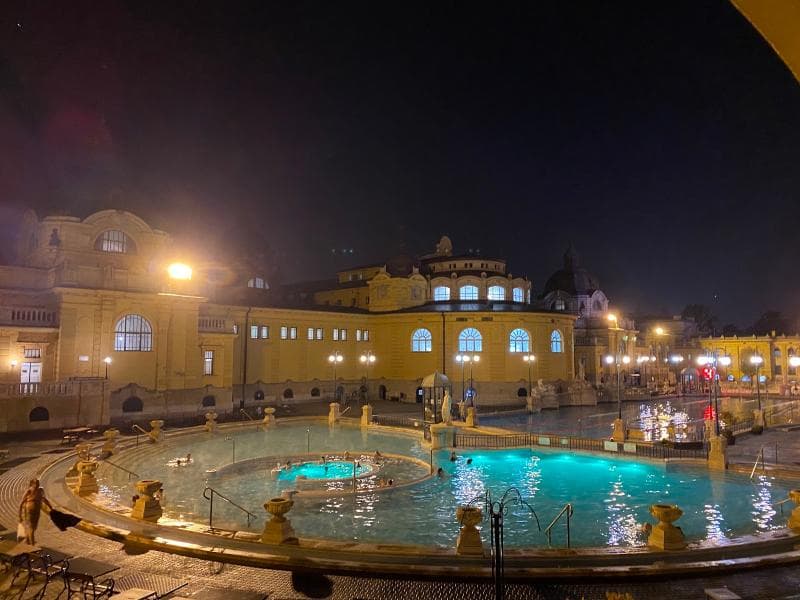
Explore the historic Indoor Baths of Széchenyi Thermal Bath in Budapest, Hungary. Discover stunning Neo-Baroque architecture, medicinal waters, and centuries of tradition.
Overview
The Indoor Baths at Széchenyi Thermal Bath in Budapest, Hungary, offer a captivating journey into Europe's largest medicinal bath complex. Nestled within the expansive City Park, this architectural marvel showcases stunning Neo-Baroque and Neo-Renaissance design. Opened in 1913, the bath underwent significant expansion in 1927, establishing its current grand scale with numerous indoor and outdoor pools. The heart of the indoor experience lies in its diverse array of pools, where water temperatures invitingly range from a refreshing 18°C to a soothing 40°C. These therapeutic waters are naturally sourced from two deep thermal springs, emerging at impressive temperatures of 74°C and 77°C, and are rich in beneficial minerals such as sulfate, calcium, magnesium, bicarbonate, and fluoride.
History & Cultural Background
Budapest boasts a profound history of thermal bathing, a tradition rooted in Roman and later Turkish influences that shaped its identity as a 'City of Spas'. The creation of Széchenyi Thermal Bath began in the late 19th century, with deep drilling efforts by Vilmos Zsigmondi between 1865 and 1875 revealing rich thermal springs beneath City Park. During its planning phase in the 1880s, the facility was known as the 'Artesian Spa' before officially opening its doors in 1913 as Széchenyi Gyógyfürdő. It was named in honor of István Széchenyi, a revered Hungarian statesman, and designed by the accomplished architect Győző Czigler.
Initially, the bath featured separate sections for men and women, a design choice reflected in its symmetrical architecture. However, the burgeoning popularity of the baths necessitated expansion. A significant milestone occurred in 1927 when the complex was vastly enlarged to its present size, incorporating a substantial number of indoor pools and contributing to its status as Europe's largest. To accommodate the increasing volume of bathers and the expanded facilities, a second thermal spring was discovered and tapped in 1938. The bath's resilience is notable, as it remained operational even during World War II, serving both Soviet soldiers and local citizens in separate wings in 1945. Regular renovations, such as those between 1999 and 2009, have ensured its continued grandeur and functionality, further integrating medical treatments and physiotherapy services into its offerings in the mid-1960s.
What Makes It Special
The Indoor Baths at Széchenyi are more than just pools; they are a journey into architectural splendor and holistic wellness. What truly sets them apart is the magnificent Neo-Baroque and Neo-Renaissance design that permeates every corner. Ornate decorations abound, featuring intricate water metaphors and allegories, with statues and mosaics depicting mythical sea creatures like fish, swans, dolphins, and mermaids. This rich visual tapestry creates an immersive atmosphere that transports visitors back to the elegance of the 19th century.
Beyond the aesthetic appeal, the medicinal qualities of the thermal waters are paramount. The water's unique composition, rich in sulfate, calcium, magnesium, bicarbonate, and fluoride, is renowned for its therapeutic benefits, particularly for alleviating joint discomfort and promoting overall well-being. The indoor section alone boasts numerous pools, each maintained at distinct temperatures, allowing for a personalized bathing experience, from invigorating cooler dips to profoundly relaxing warm soaks. Many of these indoor pools are celebrated for their simple yet traditional beauty, characterized by striking features like deep maroon pillars that add to their timeless charm. It is this combination of architectural grandeur, historical significance, and genuine therapeutic value that distinguishes Széchenyi's Indoor Baths as a truly special destination.
Stories, Fun Facts & Local Details
The popularity of Széchenyi's Indoor Baths was evident from its inception; visitor numbers soared from 200,000 in its opening year of 1913 to over 890,000 by 1919. Within the complex, a labyrinthine arrangement of 15 to 18 indoor pools, alongside 10 saunas and steam baths, invites curious exploration. Beyond simple bathing, the facility actively promotes holistic wellness, integrating balneotherapy, aqua fitness classes, and various massage treatments. Its location in City Park, coupled with direct access via the M1 metro line at 'Széchenyi fürdő' station, makes this cultural landmark remarkably accessible for both locals and international guests eager to partake in a timeless Hungarian tradition.
Visitor Perspective
To make the most of your visit to the Indoor Baths, come prepared with essential items: flip-flops or slippers are a must for traversing the wet areas, along with a bathing suit and towel. The vast indoor section can initially feel like a charming maze, so embracing a sense of discovery is part of the adventure. For a tranquil experience, consider an early morning visit; the contrast between cool outside air and the steaming, warm indoor pools is particularly memorable, especially in winter. Both lockers and private cabins are available for changing and securing personal items. The indoor pools are often celebrated for their stunning, traditional beauty, providing an enriching visual backdrop to the therapeutic waters. Ultimately, a visit to Széchenyi's Indoor Baths offers a unique blend of historical grandeur, cultural immersion, and personal rejuvenation, making it a quintessential Budapest experience.
Coordinates: 19.08194, 47.51861
View on Google Maps💬 How Travelers Describe This Place
Based on community votes
Must See
726Beautiful
717Photogenic
449Unique
335Interesting
22
Traveler Stories
Discover memorable experiences shared by travelers who have visited this place.
No traveler stories yet.
Be the first traveler to share what made this place memorable.

Tour
By
Spot
Discover amazing places around the world. Your journey starts here.
Explore
© 2026 TourBySpot. All rights reserved.