Steam Rooms
Budapest, Hungary
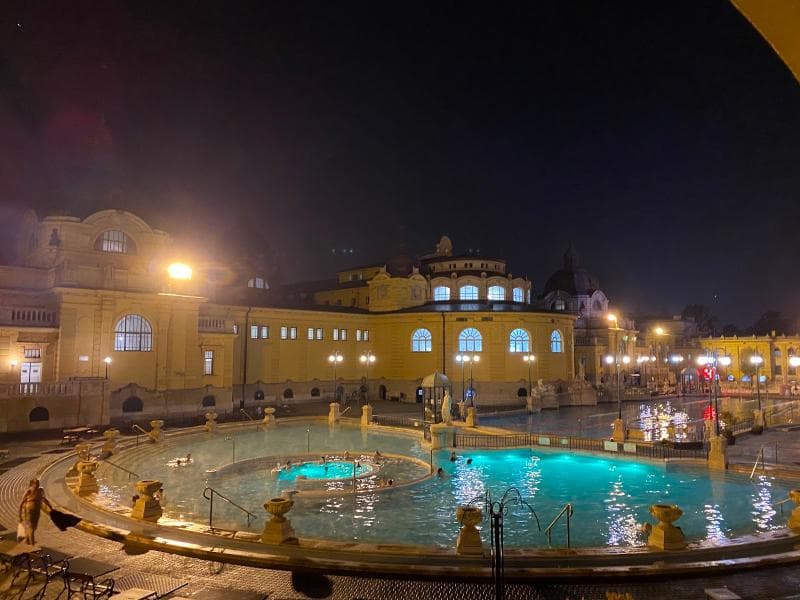
Discover the rejuvenating steam rooms of Széchenyi Thermal Bath in Budapest, Hungary, offering deep relaxation and therapeutic benefits amidst stunning Neo-Baroque architecture.
Overview
Deep within the grand Neo-Baroque architecture of Széchenyi Thermal Bath in Budapest, Hungary, lies a collection of rejuvenating steam rooms, offering a profound experience rooted in centuries of bathing tradition. As Europe's largest medicinal bath complex, Széchenyi provides an extensive array of thermal experiences, with its steam rooms being a vital component for detoxification and deep relaxation. Guests can immerse themselves in warm, humid air, which is known to soothe the nerves, cleanse the airways, stimulate circulation, and revitalize the skin. These humid chambers, alongside various saunas and thermal pools, contribute to the bath's reputation as a holistic wellness destination.
History & Cultural Background
Budapest's bathing heritage traces its roots back to Roman and Ottoman times, with thermal waters long prized for their health benefits. The history of Széchenyi Thermal Bath specifically began taking shape in the late 19th century when deep thermal springs were discovered beneath City Park. An 'Artesian Bath' preceded the current complex, demonstrating an early appreciation for these natural resources. Construction of the magnificent Széchenyi Bath, designed by Győző Czigler in Neo-Baroque style, commenced in 1909 and it officially opened its doors on June 16, 1913. From its inception, the bath incorporated separate steam-bath sections for men and women, reflecting the era's social customs and the integral role steam played in traditional bathing rituals. The complex saw significant expansion in 1927, reaching its current impressive size, and continued to evolve, integrating medical treatments and embracing changing societal norms, such as welcoming both sexes to its main swimming and thermal sections.
What Makes It Special
The steam rooms at Széchenyi Thermal Bath are distinctive for their therapeutic qualities and their seamless integration into a vast, historically significant complex. The thermal water feeding the baths, rich in minerals like sulfate, calcium, magnesium, bicarbonate, and fluoride, contributes to the overall healing atmosphere. The moist heat within the steam rooms is particularly effective for respiratory health and skin revitalization, offering a gentle yet powerful form of hydrotherapy. Visitors can explore different types of steam rooms, including salt inhalation steam baths and 'Aquarium steam cabins,' each providing a unique sensory experience. The sheer scale and architectural grandeur of Széchenyi make the act of visiting the steam rooms feel like stepping back in time, surrounded by ornate decorations and a sense of timeless elegance. The practice of alternating between hot steam and cold water immersions is also a celebrated ritual, enhancing circulation and promoting a profound sense of well-being.
Stories, Fun Facts & Local Details
Beyond their therapeutic benefits, the steam rooms are part of the vibrant tapestry of life at Széchenyi. Budapest is often called the 'City of Baths,' and Széchenyi stands as a testament to this deep-rooted cultural identity. While the famous sight of locals playing chess in the outdoor thermal pools captures much attention, the indoor steam rooms and saunas are equally cherished for their quiet restorative power. Visitors often note the subtle architectural details, such as intricate mosaics and water-themed allegories throughout the building, which extend even into the more functional areas like the steam sections. Historically, these separate steam sections were crucial to the bath's initial offering, underscoring their importance in the overall concept of thermal healing and social gathering. The bath has endured significant historical events, even serving different segments of the population during and after World War II, further cementing its place in the city's collective memory. Today, the variety of steam rooms, including those with aromatherapy or salt inhalation, provides modern visitors with choices that cater to different preferences, carrying forward a tradition of diverse thermal wellness.
Visitor Perspective
For a curious traveler, stepping into the steam rooms at Széchenyi Thermal Bath is an immersive journey into relaxation and Hungarian culture. The experience is often described as profoundly calming, allowing for a disconnect from daily stresses and a reconnection with oneself. Many visitors appreciate the cleanliness and thoughtful organization of the facilities, contributing to a stress-free experience. The atmosphere, while social in the larger complex, can be quite meditative within the steam rooms, providing a serene escape. First-time visitors often express surprise at the massive scale of the facility, likening it to a 'wellness city within a city,' where one can easily spend hours exploring the various pools, saunas, and steam rooms. It is a blend of history, tradition, and leisure that creates a unique and memorable visit. Experiencing the cycles of hot steam followed by cooling showers or dips is a highly recommended practice, often cited as a highlight, leaving one feeling refreshed, recharged, and with noticeably softer skin.
Coordinates: 19.08194, 47.51861
View on Google Maps💬 How Travelers Describe This Place
Based on community votes
Interesting
683Photogenic
642Must See
536Beautiful
251Unique
88
Traveler Stories
Discover memorable experiences shared by travelers who have visited this place.
No traveler stories yet.
Be the first traveler to share what made this place memorable.

Tour
By
Spot
Discover amazing places around the world. Your journey starts here.
Explore
© 2026 TourBySpot. All rights reserved.