Summer Palace
Beijing, China
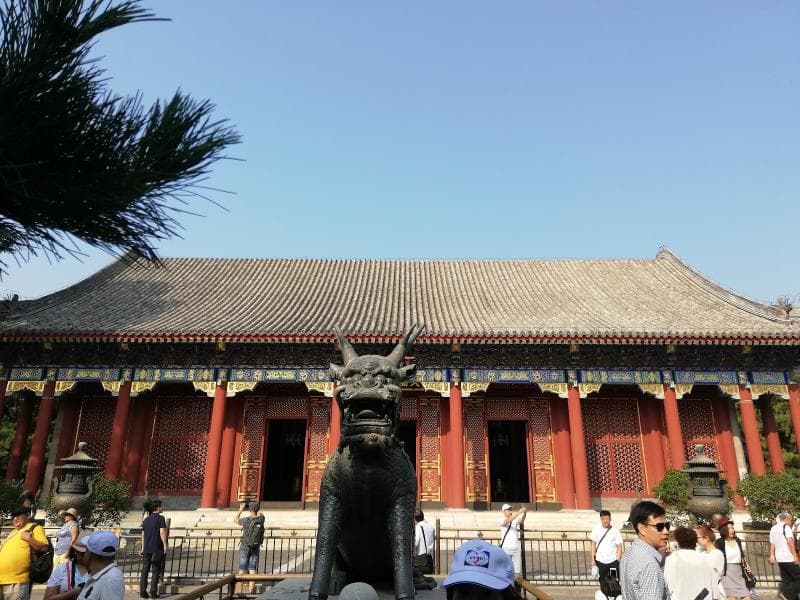
Explore the Summer Palace in Beijing, China, a UNESCO World Heritage site and masterpiece of Chinese imperial garden design.
Overview
The Summer Palace, known as Yihe Yuan in Chinese, is an expansive imperial garden located in Beijing, China, and stands as a true masterpiece of Chinese landscape design. Recognized as a UNESCO World Heritage Site since 1998, it integrates natural hills and open water with meticulously crafted artificial features. Covering an area of approximately 2.9 to 3.0 square kilometers, three-quarters of which is water, the palace complex is dominated by Longevity Hill and the vast Kunming Lake. It served as a serene retreat for imperial families, especially during the hot Beijing summers, offering a harmonious blend of architecture, scenery, and symbolic elements.
This breathtaking site is not merely a collection of buildings; it is an artistic composition where pavilions, halls, palaces, temples, and bridges are strategically placed to create a moving landscape. It is widely regarded as the largest and best-preserved imperial garden in China, showcasing the pinnacle of classical Chinese garden design.
History & Cultural Background
The origins of the Summer Palace trace back to 1750 when Emperor Qianlong commissioned its construction, then known as the Garden of Clear Ripples (Qingyi Yuan), primarily to celebrate his mother's birthday. However, its history is marked by periods of grandeur and devastating destruction. In 1860, during the Second Opium War, the garden was razed by Anglo-French Allied Forces.
Its most significant reconstruction began in 1886, largely at the behest of Empress Dowager Cixi. She famously misappropriated funds originally intended for the Imperial Navy to rebuild and expand the garden, renaming it Yihe Yuan, or the Garden of Health and Harmony. This act allowed the Summer Palace to be restored to much of its former glory, becoming her favored summer resort and a crucial venue for political and diplomatic activities outside the Forbidden City during the late Qing Dynasty. Tragically, the palace suffered further damage in 1900 during the invasion by the Eight-Power Allied Forces, with many treasures looted. It was repaired again in 1902 and has undergone multiple renovations since the founding of the People's Republic of China, preserving its historical and cultural significance.
What Makes It Special
What sets the Summer Palace apart is its unparalleled integration of natural scenery with human-made structures, creating a profound sense of tranquility and aesthetic beauty. UNESCO described it as 'a masterpiece of Chinese landscape garden design,' highlighting how the natural landscape of hills and water combines with features like pavilions and bridges to form a harmonious ensemble. The site is a living testament to Chinese landscape art, where scenery, architecture, and symbolism are composed like a dynamic work of art.
Key elements contributing to its special status include Longevity Hill, topped by the Tower of Buddhist Incense, and Kunming Lake, which covers a significant portion of the grounds. The Long Corridor, stretching over 700 meters and adorned with thousands of paintings, offers stunning views and a continuous artistic narrative. The Marble Boat, a unique lakeside pavilion, and Suzhou Street, designed to mimic a traditional shopping street, further exemplify the ingenuity and artistry of imperial Chinese garden design.
Stories, Fun Facts & Local Details
One of the most enduring stories associated with the Summer Palace involves Empress Dowager Cixi's funding for its 19th-century reconstruction. Legend has it, she diverted naval funds to restore her beloved garden, a controversial decision that reportedly contributed to the weakness of the Qing dynasty's navy.
The Marble Boat, an iconic structure extending into Kunming Lake, is another fascinating detail. Originally built in 1755, it was destroyed in 1860 and later rebuilt by Cixi in 1893. While its base is indeed stone, its upper structure, made of wood, was designed to resemble marble, giving it its distinctive name. The Long Corridor is not just a walkway; it's a colossal art gallery featuring over 14,000 paintings depicting classical Chinese landscapes, historical events, and folk tales. Walking its length is like journeying through a living scroll. Additionally, the Summer Palace marks the Central Route terminus of the South-North Water Transfer Project, making it a critical part of Beijing's main water supply.
Visitor Perspective
For visitors, the Summer Palace offers a journey through history and breathtaking natural beauty. Given its vast size, exploring the entire park can take several hours, if not a full day. The main areas include the palace administrative zone, the Longevity Hill area with its temples and halls, and the serene Kunming Lake area, perfect for leisurely strolls or boat rides. Pathways and bridges connect various pavilions, offering countless scenic spots and photo opportunities. Audio guides, smartphone tours, and guided services are available in multiple languages to enhance the visitor experience, providing deeper insights into the palace's rich history and intricate details. Exploring the Summer Palace allows one to step back in time and appreciate the grandeur and artistic vision of imperial China.
Coordinates: 116.2689, 39.9975
View on Google Maps💬 How Travelers Describe This Place
Based on community votes
Must See
797Interesting
695Unique
396Beautiful
286Photogenic
22
Traveler Stories
Discover memorable experiences shared by travelers who have visited this place.
No traveler stories yet.
Be the first traveler to share what made this place memorable.
Things to see at Summer Palace



Tour
By
Spot
Discover amazing places around the world. Your journey starts here.
Explore
© 2026 TourBySpot. All rights reserved.