Tower Of Buddhist Incense
Beijing, China
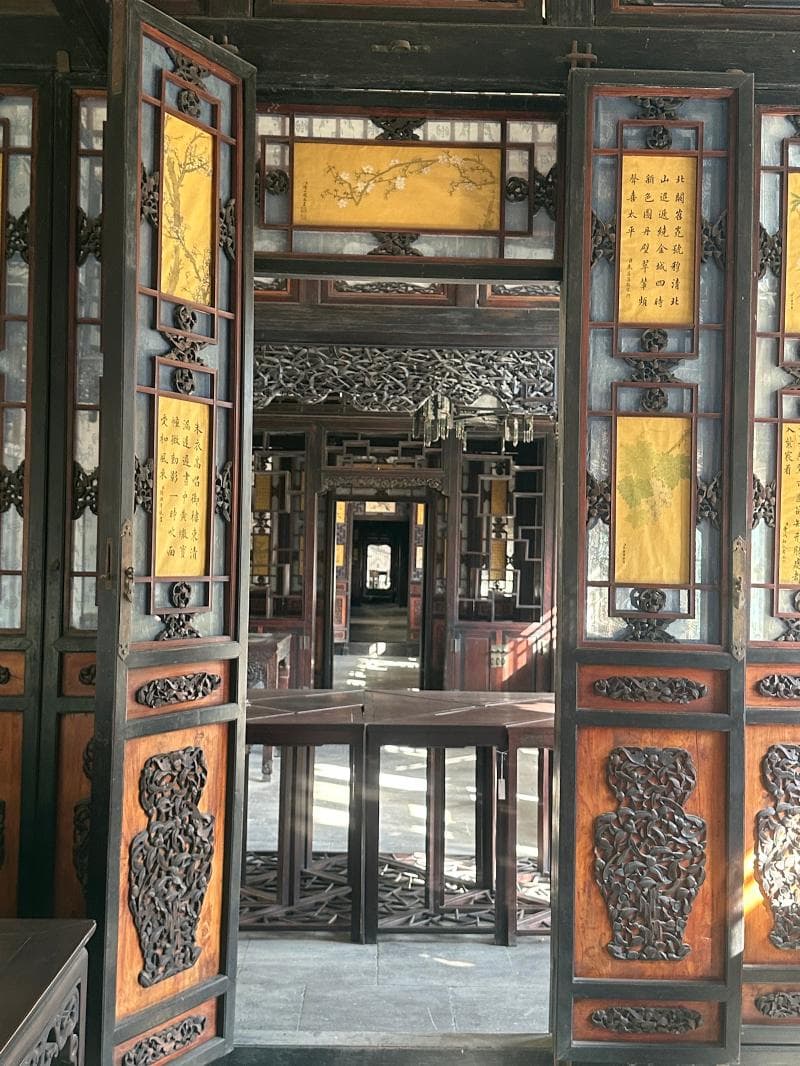
Discover the Tower of Buddhist Incense, a majestic symbol of Beijing's Summer Palace in China, offering rich history and panoramic views.
Overview
Perched majestically atop Longevity Hill within Beijing's sprawling Summer Palace, the Tower of Buddhist Incense, or Foxiangge, stands as a breathtaking architectural marvel and a spiritual beacon. This imposing octagonal structure is not only the highest point in the imperial garden but also its visual centerpiece, drawing the eye from across Kunming Lake. Clad in vibrant yellow glazed tiles with green trim, its three stories and four-layered eaves converge into a pointed roof, supported by eight massive ironwood pillars. Visitors often note its prominence, acting as a stunning backdrop for photographs and offering unparalleled panoramic views of the entire Summer Palace complex, including the serene Kunming Lake to the south and the Hall of the Sea of Wisdom to the north.
History & Cultural Background
The history of the Tower of Buddhist Incense is rich with imperial ambition, destruction, and rebirth. Its origins trace back to Emperor Qianlong's reign (1711–1799) in 1750, when he envisioned a grand nine-level pagoda, initially named the Prolonging Longevity Pagoda. However, due to concerns about the excessive weight of its brick construction, this project was abandoned during its eighth level. In 1760, a lighter wooden tower, the Tower of Buddhist Incense, was completed on the original foundation, serving as a significant site for Buddhist worship and housing numerous precious artifacts and statues.
Tragically, this magnificent structure was razed to the ground by Anglo-French allied forces in 1860 during the Second Opium War. Its current form is a testament to the determination of Empress Dowager Cixi, who undertook its reconstruction between 1891 and 1895. An intriguing urban legend whispers that Emperor Qianlong initially intended to build a garden on this spot. However, the discovery of a Ming Dynasty imperial concubine's tomb with an inscription warning, 'I will not disturb you if I am left undisturbed,' led him to construct a religious tower instead, hoping to subdue any restless spirits.
What Makes It Special
The Tower of Buddhist Incense is celebrated for its remarkable Qing Dynasty wooden architecture. Its design showcases an exquisite blend of religious symbolism and imperial grandeur. Inside, on the second floor, resides a magnificent gilded bronze Thousand-Armed Avalokiteshvara (Guanyin) statue. Cast in 1574 during the Ming Dynasty, this awe-inspiring five-meter-tall, five-ton deity features twelve faces and twenty-four arms, seated upon a throne adorned with 999 blooming lotus flowers across nine layers. This statue's age and intricate details make it a cultural treasure. The tower's structure, supported by eight giant ironwood pillars, each a meter in diameter, and encircled by twenty-four vermilion corridor pillars, exemplifies the peak of craftsmanship of its era. The eighty-one steps leading up to the tower are also considered symbolic, representing the 'Nine Nines Return to One' in traditional Chinese culture.
Stories, Fun Facts & Local Details
- The Ming Concubine's Warning: The fascinating urban legend about Emperor Qianlong altering his construction plans after discovering a Ming concubine's tomb and its ominous inscription adds a layer of mystical intrigue to the tower's history. This story highlights the cultural reverence and superstition surrounding burial sites in imperial China.
- A Tower, Not a Pagoda: Originally conceived as a nine-level pagoda, the design was changed to a three-story, octagonal tower. This alteration was a practical decision due to structural concerns but inadvertently created a unique and iconic silhouette that perfectly complements the surrounding landscape.
- Strategic Placement: The tower's position on Longevity Hill was no accident. It was strategically chosen to not only serve as a place of worship but also to provide the emperor and his court with the most commanding views of Kunming Lake, which was entirely man-made from excavated soil used to build Longevity Hill itself.
Visitor Perspective
For the curious traveler, visiting the Tower of Buddhist Incense is an experience that combines a gentle physical challenge with immense cultural reward. The ascent up Longevity Hill, whether through the Hall of Dispelling Clouds or other pathways, gradually reveals more of the Summer Palace's splendor. While the climb involves eighty-one steps, the effort is richly compensated by the breathtaking vistas from the tower's base and interior. From this elevated position, the vast expanse of Kunming Lake, dotted with islands and bridges, unfolds beautifully, alongside the intricate network of palaces, halls, and gardens below.
Inside the tower, the sheer scale and artistry of the Thousand-Armed Guanyin statue command quiet contemplation, offering a moment of reflection amidst the grandeur. The tranquil atmosphere, despite being a popular attraction, allows visitors to connect with the spiritual and historical essence of this imperial retreat. It's a place where the harmonious blend of natural landscape and human architectural genius truly shines, inviting you to imagine the imperial past and appreciate the enduring beauty of this UNESCO World Heritage site.
Coordinates: 116.2689, 39.9975
View on Google Maps💬 How Travelers Describe This Place
Based on community votes
Interesting
996Must See
658Unique
585Photogenic
143Beautiful
69
Traveler Stories
Discover memorable experiences shared by travelers who have visited this place.
No traveler stories yet.
Be the first traveler to share what made this place memorable.

Tour
By
Spot
Discover amazing places around the world. Your journey starts here.
Explore
© 2026 TourBySpot. All rights reserved.