Strøget
Copenhagen, Denmark
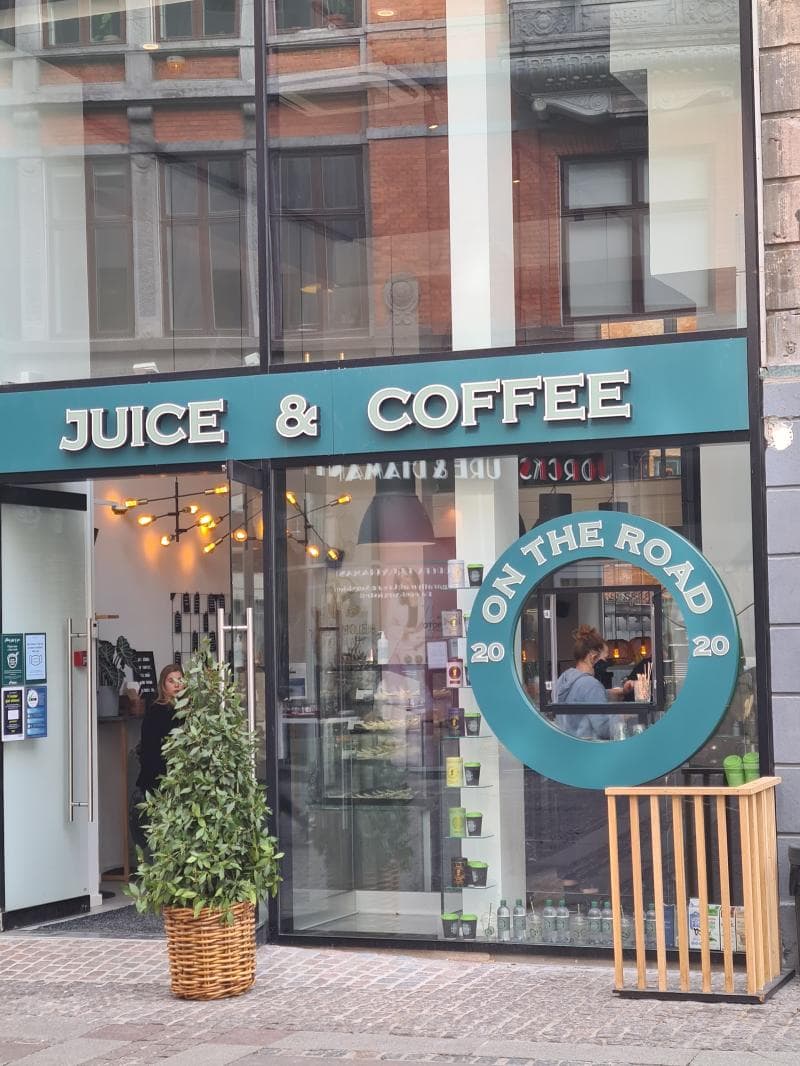
Discover Strøget in Copenhagen, Denmark – one of Europe's longest pedestrian streets. Explore vibrant shopping, historic architecture, and lively street performers.
Overview
Strøget, nestled in the heart of Copenhagen, Denmark, stands as one of Europe's longest and most renowned pedestrian streets. Stretching approximately 1.1 kilometers, this vibrant thoroughfare connects two significant city squares: Rådhuspladsen, the City Hall Square, and Kongens Nytorv, the King's New Square. More than just a shopping destination, Strøget is a dynamic blend of historic charm and contemporary urban life, offering an immersive experience for every traveler. It comprises a collection of interconnected streets and squares, including Frederiksberggade, Nygade, Vimmelskaftet, Amagertorv, and Østergade, creating a sprawling, car-free zone that invites leisurely exploration.
Along its length, visitors encounter a diverse array of shops, from luxury international brands at the Kongens Nytorv end to more budget-friendly high-street stores closer to City Hall Square. Beyond retail, Strøget is famed for its lively atmosphere, often animated by street performers, musicians, and artists, especially around Amagertorv Square. It's a place where locals and tourists alike gather to soak in the city's energy, people-watch, and enjoy Danish 'hygge'.
History & Cultural Background
The name 'Strøget' itself provides a clue to its essence, derived from the Danish word 'strøg,' meaning 'to stroll' or 'to wander.' This perfectly encapsulates the street's purpose and appeal. While the layout of the streets forming Strøget has been in place since a fire in 1728, its modern identity as a pedestrian zone is relatively recent. Prior to the mid-20th century, these streets were open to vehicular traffic, leading to increasing congestion in the early 1960s.
A pivotal moment occurred on November 17, 1962, when Copenhagen's City Council made the visionary decision to temporarily close a section of Strøget to cars. This experimental pedestrianization, one of the first and largest of its kind globally, faced initial controversy and skepticism from local merchants who feared a decline in business. However, the trial proved to be a resounding success. The car-free environment led to cleaner air, reduced noise, and a renewed, vibrant public life. The transformation was made permanent in 1964, and by 1967, the pedestrian zone had expanded significantly.
This initiative, heavily influenced by urban planner Jan Gehl's studies, became a model for cities worldwide, demonstrating the positive impact of prioritizing pedestrians and bicycles in urban design. Gehl's influential reports formed the basis of Copenhagen's broader shift towards creating more people-centric urban spaces. The success of Strøget inspired further pedestrianization efforts across Copenhagen, including areas like Nyhavn.
What Makes It Special
Strøget's enduring appeal lies in its unique blend of accessibility, history, and vibrant street life. It is often cited as one of the longest pedestrian streets in Europe, and while not the oldest or longest in the world as sometimes claimed, it was indeed the longest at the time of its conversion in 1962. This status alone makes it a significant urban landmark.
The street offers a captivating juxtaposition of architectural styles, from elegant neoclassical buildings dating back to the late 19th or early 20th centuries to modern facades. This visual diversity reflects Copenhagen's rich heritage while embracing its contemporary spirit. Unlike typical shopping malls, Strøget provides an open-air experience, encouraging visitors to look up and appreciate the city's architecture and explore the charming side streets that branch off from the main thoroughfare.
Furthermore, Strøget is a cultural melting pot where commerce meets entertainment. The constant presence of street performers—acrobats, mimes, musicians—adds a spontaneous, festive energy that transforms a simple stroll into a memorable experience. It's a place designed for connection, where the city's pulse is palpable, and every visit feels like an interaction with Copenhagen's living history.
Stories, Fun Facts & Local Details
One fascinating detail about Strøget's past dates back to Copenhagen's 800-year jubilee in 1967. To celebrate, the street hosted what was recognized by the Guinness Book of Records as 'the longest coffee table in the world,' stretching 1.6 kilometers and serving over 800,000 cups of coffee and 100,000 Town Hall Pancakes. This event perfectly encapsulates the communal and celebratory spirit that Strøget has fostered.
For a touch of royal tradition, when the Royal family is in residence in Copenhagen, the Royal Guard marches daily from Rosenborg Castle, often passing through parts of Strøget, en route to Amalienborg Palace. This tradition began in 1794, adding a ceremonial spectacle to the everyday bustle.
The success of Strøget as a pedestrian zone was heavily championed by architect Jan Gehl. His philosophy, often summarized as 'If you make more space for cars, you get more cars. If you make more space for people, you get more people,' became a guiding principle that transformed Copenhagen and influenced urban planning globally. Exploring beyond the main stretch of Strøget into areas like Kompagnistræde and Læderstræde reveals quaint antique shops and galleries, or the Latin Quarter with its bookshops and university vibe.
Visitor Perspective
For visitors, Strøget offers an unparalleled opportunity to immerse oneself in Copenhagen's urban fabric. The best way to experience it is on foot, allowing for leisurely exploration and discovery. Wearing comfortable shoes is advisable, as the street is long and invites much walking.
A stroll down Strøget can lead to unexpected delights, from browsing Danish design at iconic stores like Illums Bolighus to discovering unique souvenirs. While shopping is a major draw, the experience extends far beyond. Taking a break at one of the many cafes or restaurants offers a chance to sample local pastries, enjoy traditional Danish 'smørrebrød,' or simply sit back and people-watch. The atmosphere is particularly lively on weekends and during peak tourist season, but for a calmer experience, early mornings or late afternoons offer fewer crowds.
Don't forget to venture into the charming side streets; they often hold hidden gems, independent boutiques, and cozy cafes away from the main thoroughfare. From historical landmarks like the Church of the Holy Ghost near Amagertorv to the Stork Fountain (Storkespringvandet), Strøget and its surroundings are rich with sights. It's a place where history, culture, and modern life coalesce, providing a genuine taste of Copenhagen.
Coordinates: 12.57808, 55.67873
View on Google Maps💬 How Travelers Describe This Place
Based on community votes
Interesting
989Unique
613Photogenic
581Must See
514Beautiful
207
Traveler Stories
Discover memorable experiences shared by travelers who have visited this place.
No traveler stories yet.
Be the first traveler to share what made this place memorable.
Things to see at Strøget




Tour
By
Spot
Discover amazing places around the world. Your journey starts here.
Explore
© 2026 TourBySpot. All rights reserved.