Boutiques
Copenhagen, Denmark
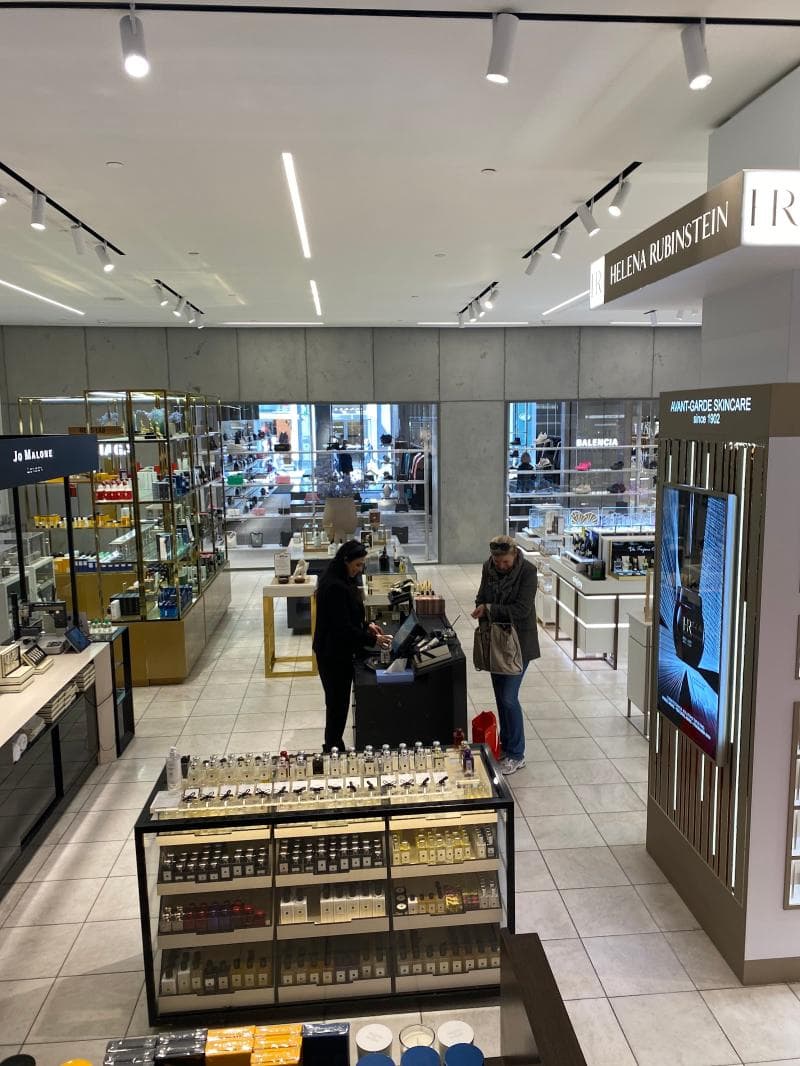
Explore the diverse boutiques of Strøget in Copenhagen, Denmark. Discover luxury, Danish design, and charming shops on Europe's iconic pedestrian street.
Overview
Strøget, often celebrated as one of Europe's longest pedestrian streets, stands as the vibrant retail heart of Copenhagen, Denmark. This iconic, car-free thoroughfare stretches for approximately 1.1 kilometers, connecting the magnificent Rådhuspladsen (City Hall Square) at its western end with the elegant Kongens Nytorv (King's New Square) to the east. It is not merely a single street, but a charming amalgamation of several historic streets, including Frederiksberggade, Nygade, Vimmelskaftet, and Østergade, seamlessly joining to form a continuous promenade. Along this bustling stretch, a diverse array of boutiques and shops caters to every taste, from globally renowned luxury brands to unique Danish design establishments and charming local purveyors, offering a distinct shopping experience nestled within a historic urban landscape.
History & Cultural Background
The historical roots of Strøget run deep, with its street layout largely established after a devastating fire in 1728. For centuries, these interconnected streets have been considered among Copenhagen's most fashionable and central areas. The pivotal moment in Strøget's modern history occurred on November 17, 1962, when it was experimentally transformed into a pedestrian zone. This visionary move was made permanent in February 1964, a pioneering urban planning decision aimed at reclaiming the city center from increasing automobile traffic. This transformation, initially met with some skepticism from local merchants and even significant opposition to city planner Alfred Wassard, proved to be a resounding success, inspiring similar pedestrianization projects in cities worldwide. The name 'Strøget' itself beautifully encapsulates its purpose, derived from the Danish word 'strøg,' which means 'to stroll' or 'to wander,' perfectly reflecting its essence as a place for leisurely exploration.
What Makes It Special
The true allure of Strøget's boutiques lies in their remarkable diversity and the distinctive blend of international glamour with a deep appreciation for Danish aesthetic. Near Kongens Nytorv, visitors will find a concentration of high-end international luxury giants such as Prada, Louis Vuitton, Hermès, Gucci, and Mulberry. This section also proudly showcases flagship stores of iconic Danish brands like
Stories, Fun Facts & Local Details
Beyond its commercial appeal, Strøget serves as a vibrant stage for daily life and unexpected delights. It is a popular haunt for talented street performers – acrobats, musicians, and magicians – who frequently entertain passersby, particularly around Amagertorv Square. A daily tradition adds a regal touch: every noon, the
Visitor Perspective
Strolling along Strøget's diverse boutiques is an immersive experience, inviting curious travelers to not just shop, but to truly soak in Copenhagen's vibrant public atmosphere. With approximately 80,000 people using Strøget daily during summer, it's a bustling microcosm of city life. From the grand architecture lining the street to the lively street artists and the occasional glimpse of Danish royalty, there is always something to capture one's attention. While the main thoroughfare offers a broad spectrum of popular brands and department stores, remember to explore the many picturesque side streets for hidden gems and a more intimate encounter with Danish craftsmanship and unique style. Comfortable shoes are highly recommended for navigating this extensive pedestrian paradise, ensuring a leisurely and enjoyable exploration of Copenhagen's premier shopping destination and a deeper connection to the city's blend of history, culture, and modern vibrancy.
Coordinates: 12.5768, 55.6786
View on Google Maps💬 How Travelers Describe This Place
Based on community votes
Beautiful
540Must See
410Interesting
147Unique
114Photogenic
19
Traveler Stories
Discover memorable experiences shared by travelers who have visited this place.
No traveler stories yet.
Be the first traveler to share what made this place memorable.

Tour
By
Spot
Discover amazing places around the world. Your journey starts here.
Explore
© 2026 TourBySpot. All rights reserved.