Spice Bazaar
Istanbul, Turkey
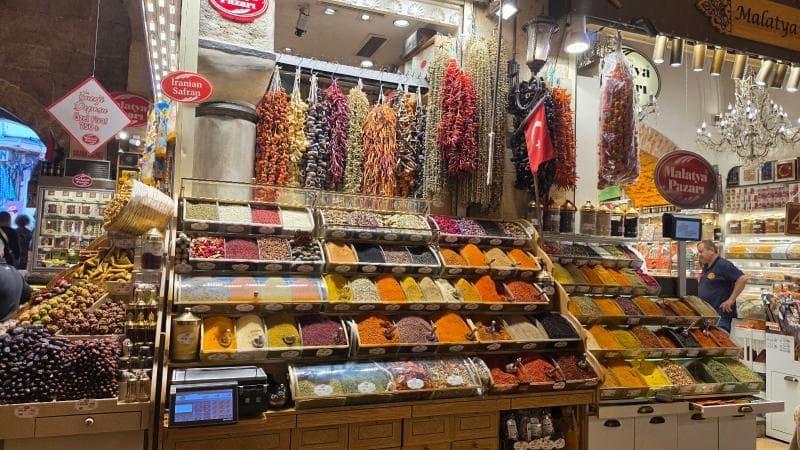
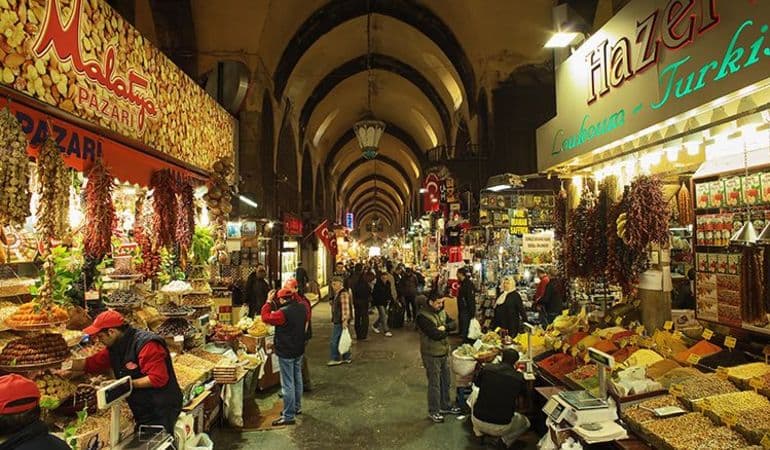
Explore Istanbul's Spice Bazaar, a vibrant historical market known for exotic spices, Turkish delights, and rich cultural heritage in Turkey.
Overview
Stepping into Istanbul's Spice Bazaar, known locally as Mısır Çarşısı or the Egyptian Bazaar, is an immediate immersion into a vibrant tapestry of sights, sounds, and, most notably, aromas. Located in the bustling Eminönü district, nestled behind the magnificent New Mosque, this historic covered market is a cornerstone of Istanbul's rich commercial and cultural heritage. It is a place where centuries of trade routes converge, offering a sensory spectacle that captivates every visitor. Unlike the expansive maze of the Grand Bazaar, the Spice Bazaar presents a more concentrated burst of flavour and colour, making it an intensely memorable experience.
Here, the air is thick with the exotic scents of countless spices, fragrant teas, and sweet confections, drawing you deeper into its vaulted corridors. It is an essential destination for anyone keen to explore the culinary heart of Turkey and witness a living piece of Ottoman history.
History & Cultural Background
The history of the Spice Bazaar dates back to the 17th century, with its construction initiated around 1660 and completed by 1664. It was conceived as part of the külliye, or complex, of the nearby Yeni Cami (New Mosque). The primary purpose behind its establishment was to generate revenue for the mosque's upkeep and its various charitable institutions, including schools, hospitals, and public baths.
Its Turkish name, Mısır Çarşısı, translates to 'Egyptian Bazaar,' a name deeply rooted in its funding and historical trade connections. The bazaar was built with taxes levied on goods imported from Egypt, which was then an Ottoman province. For centuries, it served as Istanbul's central hub for the spice trade, with exotic goods arriving from the Arab world, Persia, and the Indian subcontinent, often via Egypt. This strategic location on the Silk Road and near the Golden Horn, where ships docked, cemented its status as a vital commercial artery.
What Makes It Special
The Spice Bazaar's enduring allure lies in its ability to awaken all the senses. As you step inside, you are enveloped by an intoxicating blend of fragrances from towering piles of cumin, sumac, saffron, and countless other spices. The visual feast is equally striking, with vibrant colours adorning every stall – from bright red pepper flakes to golden turmeric and intricately arranged dried fruits.
Beyond spices, the bazaar offers an incredible array of authentic Turkish products. You'll find an extensive selection of herbal and fruit teas, often with poetic names like 'Love Tea' or 'Sultan's Tea.' Turkish delight (lokum) is presented in a dazzling variety of flavours, alongside baklava, nuts, and dried fruits like apricots and figs from various regions of Turkey. Many vendors encourage sampling, inviting you to taste before you buy, which adds to the immersive experience.
Stories, Fun Facts & Local Details
One fascinating detail about the Spice Bazaar is the double meaning of the Turkish word 'mısır.' While it means 'Egypt,' it can also mean 'corn.' This is why the name 'Mısır Çarşısı' is sometimes mistakenly translated as 'Corn Bazaar,' though its historical connection to Egyptian trade makes 'Egyptian Bazaar' the correct interpretation.
The bazaar's L-shaped design is a notable architectural feature, contributing to its unique flow and atmosphere. It boasts six gates, and its vaulted ceilings are a testament to Ottoman design. Historically, the upper floor above one of its gates, the Haseki Gate, even housed a court where merchants could resolve their commercial disputes, highlighting its role not just as a marketplace but as a community hub.
Like many ancient structures, the Spice Bazaar has endured and been rebuilt after several fires, notably in 1691 and 1940, with significant restorations taking place in the early 20th century. This resilience underscores its importance as a cherished landmark in Istanbul.
Visitor Perspective
For the curious traveller, the Spice Bazaar offers an unparalleled opportunity to engage with Istanbul's vibrant culture. It's a place where friendly, though sometimes persistent, salesmanship is part of the charm. Don't be afraid to engage with vendors, ask questions about their products, and embrace the tradition of polite haggling – it's often expected and can be a fun part of the interaction.
Beyond the primary goods, you can find a diverse range of items, from traditional Turkish coffee and local honey to handicrafts and souvenirs. For those keen on culinary exploration, look for local specialties like sumac, pul biber (red pepper flakes), isot biber (smoky Urfa pepper), and specific spice blends for Turkish dishes. Many stalls offer vacuum-sealing for dried goods, making them easy to transport.
The bazaar is conveniently located near other significant attractions, including the New Mosque and the Galata Bridge, making it easy to integrate into a day of exploring the Eminönü district. Whether you're seeking unique culinary ingredients, traditional sweets, or simply a captivating cultural experience, the Spice Bazaar promises a memorable journey for all your senses.
Coordinates: 28.97056, 41.01639
View on Google Maps💬 How Travelers Describe This Place
Based on community votes
Photogenic
556Must See
422Beautiful
394Unique
269Interesting
145
Traveler Stories
Discover memorable experiences shared by travelers who have visited this place.
No traveler stories yet.
Be the first traveler to share what made this place memorable.
Things to see at Spice Bazaar



Tour
By
Spot
Discover amazing places around the world. Your journey starts here.
Explore
© 2026 TourBySpot. All rights reserved.