Domed Interior Hallways
Istanbul, Turkey
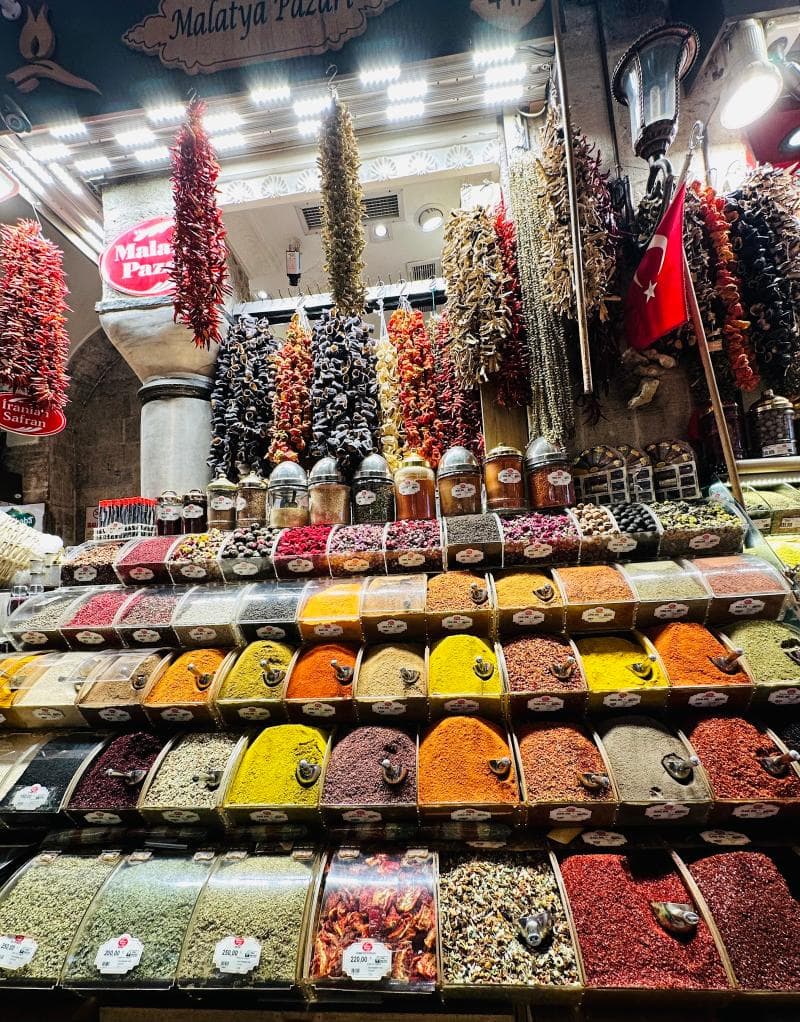
Explore the domed interior hallways of Istanbul's historic Spice Bazaar. Discover centuries of trade, vibrant aromas, and Ottoman architecture in Turkey.
Overview
Stepping into the Domed Interior Hallways of Istanbul's Spice Bazaar, known locally as Mısır Çarşısı or Egyptian Bazaar, is an immediate immersion into a vibrant tapestry of history and sensory delights. Nestled in the bustling Eminönü quarter, this historic covered market is distinguished by its unique L-shaped layout and the series of magnificent domes that crown its passageways. Unlike its grander counterpart, the Grand Bazaar, the Spice Bazaar offers a more focused, yet equally captivating, experience centered around the aromas and colors of exotic spices, teas, and traditional Turkish goods.
These domed hallways are not merely corridors; they are an architectural embrace, guiding visitors through a marketplace that has thrived for centuries. The interior feels bright and inviting, despite being a covered market, with wide passages designed to accommodate the flow of merchants and shoppers. As you wander beneath the soaring domes and vaulted ceilings, you're not just shopping; you're tracing the footsteps of countless traders and travelers who have passed through this legendary hub of commerce.
History & Cultural Background
The construction of the Spice Bazaar dates back to the 17th century, specifically between 1660 and 1664. It was conceived as an integral part of the Yeni Camii (New Mosque) complex, initiated by Safiye Sultan and completed by Hatice Turhan Sultan, the mother of Sultan Mehmed IV. The bazaar's primary purpose was to generate revenue for the upkeep and maintenance of the adjacent mosque and its charitable institutions, a common practice for such complexes during the Ottoman era.
Its enduring name, Mısır Çarşısı (Egyptian Bazaar), is a direct nod to its origins; the funds for its construction were largely derived from taxes levied on goods imported from Egypt. For centuries, it served as the bustling epicenter of Istanbul's spice trade, a crucial final stop for camel caravans traveling the ancient Silk and Spice Routes, bringing exotic goods from across Asia and Africa to Europe. The bazaar has weathered two significant fires, in 1691 and 1940, each time rising from the ashes to be meticulously restored, preserving its historical essence.
What Makes It Special
The Domed Interior Hallways of the Spice Bazaar are a marvel of Ottoman architecture, characterized by their striking L-shaped plan, high vaulted ceilings, and robust masonry of stone and brick. The design, attributed to imperial architects like Koca Kasım Ağa and Mustafa Ağa, blends functional market spaces with the grand aesthetic of 17th-century Istanbul.
As you stroll through, the stone arches create a strong yet elegant atmosphere, allowing natural light to filter through, illuminating the vibrant displays below. The sense of architectural continuity is palpable, linking the bazaar's past as a vital trade hub to its present as a cultural landmark. The nearly one hundred shops housed within these impressive hallways showcase an astonishing array of spices, dried fruits, nuts, teas, and Turkish delights, each stall contributing to the bazaar's legendary mosaic of colors and aromas.
Stories, Fun Facts & Local Details
One fascinating detail lies in the Turkish name 'Mısır Çarşısı'. While it directly translates to 'Egyptian Bazaar,' the word 'mısır' also means 'corn' in Turkish, leading to occasional playful misinterpretations as 'Corn Bazaar.' Historically, the bazaar was also known as the New Bazaar or Valide Bazaar before settling on its current, more evocative name.
An intriguing aspect of the bazaar's original design was the upper floor located above the Haseki Gate. This space once functioned as a court where merchants could resolve disputes among themselves or with the public, highlighting the bazaar's role not just as a commercial center, but also as a community hub with its own internal governance. Furthermore, the Spice Bazaar was traditionally a go-to place for medicinal remedies, with herbalists offering centuries-old cures, a tradition still echoed in some of the natural remedies and herbal teas available today.
Visitor Perspective
For the curious traveler, the Domed Interior Hallways offer an unparalleled sensory journey. The moment you enter, you are enveloped by a rich symphony of scents – the warmth of cinnamon, the earthiness of cumin, the sweetness of dried figs, and the invigorating aroma of fresh tea. The visual feast is equally captivating, with spices piled high in vibrant pyramids, reflecting the light from the overhead domes. The lively chatter of vendors, often multilingual, and the sounds of daily commerce create an authentic, bustling atmosphere that is both overwhelming and utterly enchanting.
Navigating the L-shaped corridors is a pleasant experience; the design ensures a clear path without the labyrinthine complexity of some other markets. This makes it easy to soak in the atmosphere, engage with friendly vendors, and explore the myriad offerings. Walking through these historic passages provides a profound connection to Istanbul's rich trading past, making a visit to the Spice Bazaar's domed interior hallways a truly memorable cultural experience.
Coordinates: 28.969, 41.0098
View on Google Maps💬 How Travelers Describe This Place
Based on community votes
Must See
951Beautiful
491Unique
414Photogenic
310Interesting
277
Traveler Stories
Discover memorable experiences shared by travelers who have visited this place.
No traveler stories yet.
Be the first traveler to share what made this place memorable.

Tour
By
Spot
Discover amazing places around the world. Your journey starts here.
Explore
© 2026 TourBySpot. All rights reserved.