Egyptian Bazaar Courtyard
Istanbul, Turkey
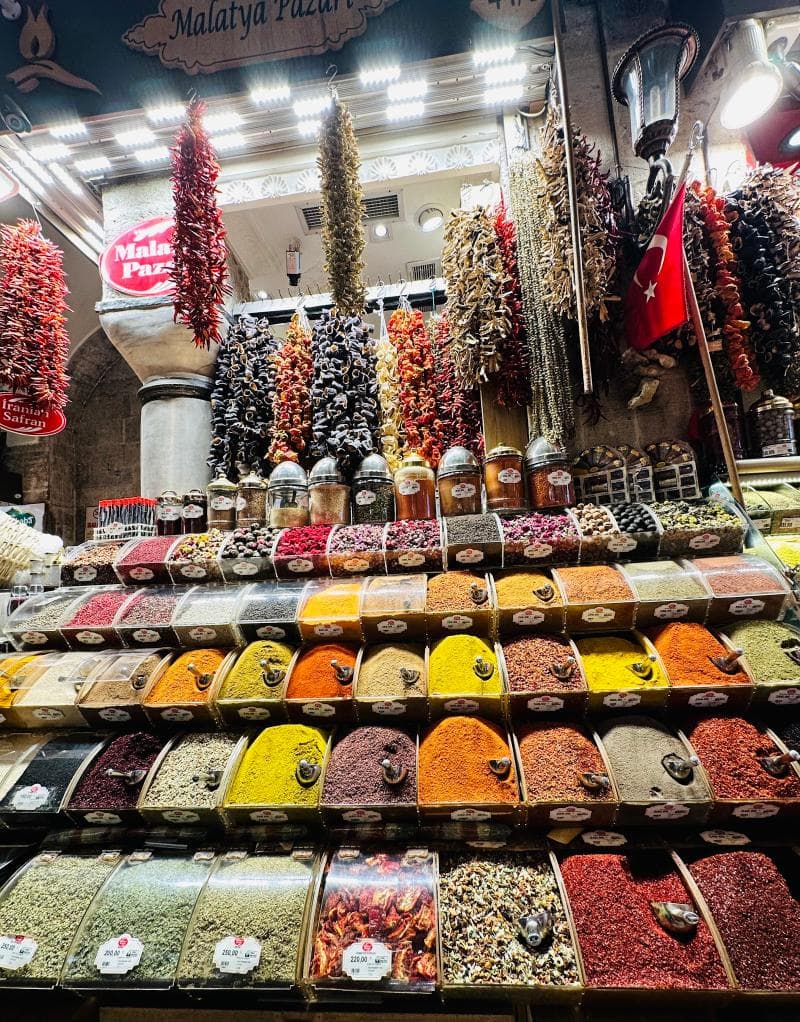
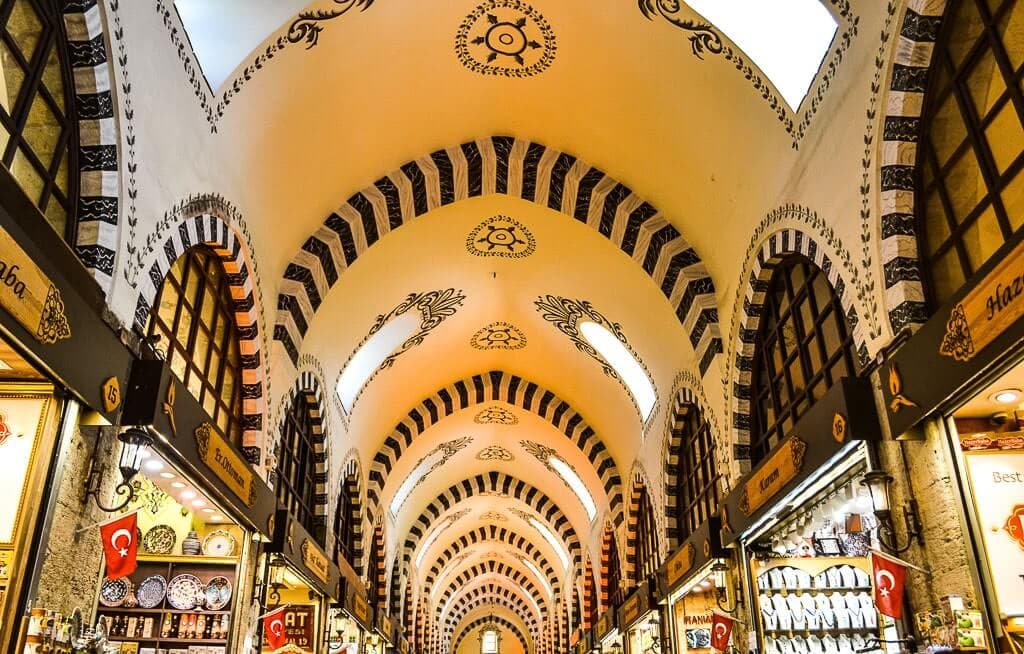
Explore the vibrant courtyard areas surrounding Istanbul's historic Egyptian Bazaar. Discover the New Mosque's grand avlu, bustling outdoor stalls, and charming caravanserai courtyards, offering a unique blend of history and local life in Turkey.
Overview
While the Egyptian Bazaar, also known as the Spice Bazaar (Mısır Çarşısı), is celebrated for its vibrant, aromatic covered aisles, the experience extends vibrantly into its surrounding courtyard areas and adjacent historical spaces in Istanbul, Turkey. These external areas serve as dynamic gateways and extensions of the bazaar's lively atmosphere, blending historical architecture with bustling daily life. Rather than a single defined 'Egyptian Bazaar Courtyard,' visitors encounter an array of open spaces, including the magnificent forecourt of the Yeni Cami (New Mosque) and other historically significant courtyards like Beta Yeni Han, all intrinsically linked to the bazaar's long-standing commercial and cultural narrative.
These peripheral zones offer a sensory contrast to the enclosed market, where the scents of spices mingle with the sounds of street vendors and the visual grandeur of Ottoman architecture. They provide a vital breathing space, allowing for a broader appreciation of the bazaar's setting within the historic Eminönü district.
History & Cultural Background
The Egyptian Bazaar was originally conceived not merely as a marketplace, but as part of a larger külliye, or complex, centered around the Yeni Cami (New Mosque). Construction of the bazaar began in the 17th century, under the patronage of Hatice Turhan Sultan, mother of Sultan Mehmed IV, with its primary purpose being to generate revenue for the mosque's upkeep and charitable institutions. This intricate connection means that the mosque's monumental courtyard, known as an 'avlu,' is a direct historical and architectural counterpart to the bazaar itself.
Historically, the area surrounding the bazaar was a hub for various trades. Before the bazaar's construction, during Byzantine times, a market known as 'Makron Envalos' existed here, attracting Venetian and Genoese merchants. The modern outdoor areas continue this tradition, albeit with evolving goods. The separation of the bazaar and the New Mosque by a pedestrian zone in 1941 marked a physical change, yet their historical and functional bond remains evident.
What Makes It Special
What makes the surrounding areas of the Egyptian Bazaar truly special is their seamless integration of commerce, community, and history. The spacious courtyard of the Yeni Cami, measuring 39 meters on each side and bordered by a colonnaded peristyle covered by 24 small domes, offers a serene counterpoint to the bazaar's intensity. Here, the ornamental ablution fountain ('şadırvan') stands as a testament to Ottoman artistry.
Beyond the mosque, the open-air stalls nearest the New Mosque gate traditionally specialized in plants, tools, and gardening supplies, while those facing Eminönü Square sold fresh produce, cheeses, and olives, catering to local needs. These outer sections provide a genuine glimpse into Istanbulite life that complements the tourist-focused offerings inside. Moreover, nearby historical caravanserais, like Beta Yeni Han, once vital resting points for Silk Road merchants, have been beautifully restored, offering covered tea and coffee courtyards for a tranquil break.
Stories, Fun Facts & Local Details
Walking through the exterior areas of the Egyptian Bazaar unveils numerous local details and stories. One fun fact is the double meaning of the Turkish word 'Mısır,' which translates to both 'Egypt' and 'corn,' leading to the occasional mistranslation of the bazaar's name as 'Corn Bazaar.' The bazaar's location was strategic, a port city at the crossroads of East and West, where goods from India, Persia, Arabia, and North Africa passed through.
Local vendors in these outer market areas still uphold traditions, some specializing in garden seedlings, pet supplies, or fresh food, a continuity that has spanned centuries. You might observe the queue outside Kurukahveci Mehmet Efendi, a renowned coffee roaster located just outside the Hasırcılar Gate, whose aroma often precedes its presence and whose coffee is a staple in many Turkish households since 1871. These spots are where Istanbulites themselves shop, ensuring an authentic cultural exchange amidst the historical backdrop.
Visitor Perspective
For the curious traveler, exploring the courtyard areas and immediate surroundings of the Egyptian Bazaar is an essential part of the experience. Begin by appreciating the grandeur of the Yeni Cami's courtyard, a peaceful architectural marvel adjoining the bustling market. As you exit the main bazaar, notice the transition: the covered market gives way to lively streets filled with additional stalls and shops.
Take time to wander through the outer market, where the focus shifts from exotic spices to daily necessities, offering a deeper connection to local life. Seek out a restored caravanserai like Beta Yeni Han for a moment of quiet reflection over a cup of traditional Turkish tea or coffee. These areas are best explored at a leisurely pace, allowing you to absorb the authentic sights, sounds, and aromas. It's in these subtle transitions and vibrant outdoor spaces that the enduring spirit of Istanbul's historic trade truly comes alive, offering a rich and multilayered understanding of this iconic destination.
Coordinates: 28.969, 41.0098
View on Google Maps💬 How Travelers Describe This Place
Based on community votes
Must See
950Beautiful
287Photogenic
255Unique
231Interesting
86
Traveler Stories
Discover memorable experiences shared by travelers who have visited this place.
No traveler stories yet.
Be the first traveler to share what made this place memorable.

Tour
By
Spot
Discover amazing places around the world. Your journey starts here.
Explore
© 2026 TourBySpot. All rights reserved.