Main Entrance Gate
Istanbul, Turkey
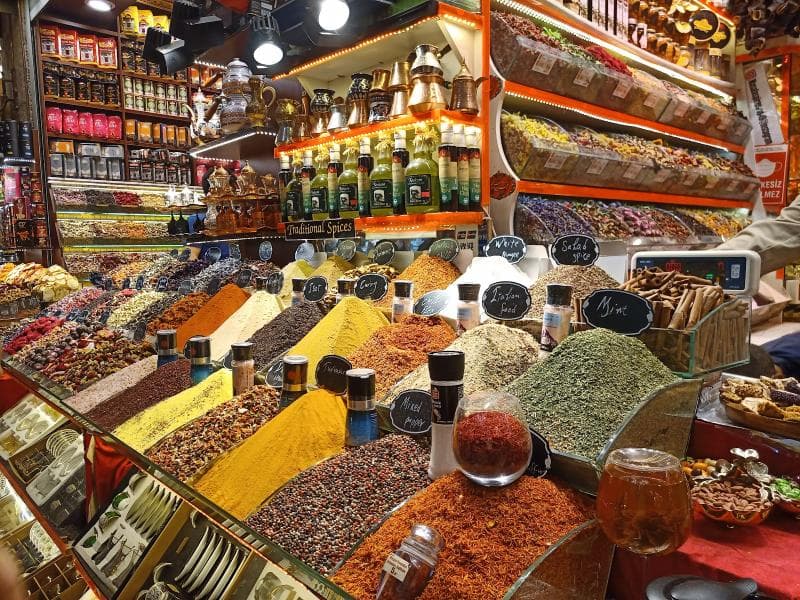
Explore the Main Entrance Gate of Istanbul's historic Spice Bazaar. Discover its rich history, unique architecture, and vibrant cultural significance in Turkey.
Overview
The Main Entrance Gate of Istanbul's Spice Bazaar, known locally as Mısır Çarşısı or the Egyptian Bazaar, is more than just an entry point; it is a grand portal into centuries of vibrant trade and cultural exchange. Situated prominently in the Eminönü quarter, right beside the majestic New Mosque (Yeni Cami), this gate serves as a threshold from the bustling city streets into an aromatic world of exotic spices, traditional remedies, and colorful goods. While the Spice Bazaar features a total of six gates, the main entrances on either end, particularly the one facing Eminönü Square, are designed with architectural prominence, inviting visitors into its L-shaped labyrinth of sensory delights.
Stepping through this main gate, one is immediately enveloped by a symphony of scents and sights, a testament to Istanbul's enduring legacy as a crossroads of civilizations. The market's original purpose, dating back to its completion in 1664, was to generate revenue for the New Mosque complex, including its school and hammam. Today, the Main Entrance Gate stands as a gateway not just to commerce, but to a tangible piece of Ottoman history, where every arch and stone tells a story of ancient trade routes and bustling marketplaces.
History & Cultural Background
The Spice Bazaar's construction commenced in the late 16th century under the instruction of Safiye Sultan and was later brought to completion by Turhan Sultan, the mother of Sultan Mehmed IV, between 1660 and 1664. This makes the bazaar an integral part of the larger New Mosque complex, with its foundational purpose tied to the upkeep and charitable institutions of the mosque. Originally known as the 'New Bazaar' or 'Valide Bazaar,' it earned the name Mısır Çarşısı (Egyptian Bazaar) from the 18th century onwards because the funds for its construction, and much of the exotic merchandise sold within, originated from Ottoman Egypt.
The Main Entrance Gates, as well as the other five entrances, were strategically designed to connect with surrounding trade streets, each historically designated for specific merchants. For instance, some gates were initially allocated to herbalists, while others served cotton merchants. Beyond their commercial function, the upper floors of these grand entrance gates once housed a significant institution: a Trade Court. Here, disputes among the bazaar's merchants were resolved, highlighting the marketplace's role as a self-governing economic hub within the Ottoman Empire. This unique blend of commerce, charity, and jurisprudence speaks volumes about the sophisticated urban planning of the era.
What Makes It Special
What makes the Main Entrance Gate of the Spice Bazaar truly special is its dual role as both a monumental piece of Ottoman architecture and a living historical narrative. Unlike modern entrances that merely facilitate passage, this gate immediately transports visitors into a different era. Its elevated and imposing structure was intentionally designed to create a sense of grandeur and importance, an architectural 'wow factor' that has captivated visitors for centuries.
The gate is a prelude to the bazaar's L-shaped interior, characterized by wide passages and elegant stone arches, a hallmark of classical Ottoman design. It’s not just about what you see, but what you feel and smell upon entry. The Main Entrance Gate acts as a sensory amplifier, channeling the rich, complex aromas of cumin, saffron, mint, and countless other spices that define the bazaar. This immediate, immersive experience sets it apart, offering a palpable connection to Istanbul's ancient trading past, where goods from the Silk Road and beyond converged.
Stories, Fun Facts & Local Details
One fascinating detail about the Spice Bazaar's gates is their evolution of names. Over time, a single gate might have been known by several different names, such as Eminönü Gate, Yeni Cami Gate, or Bahçe Gate, reflecting changes in the surrounding urban landscape or the dominant trades near them. These changing names offer a glimpse into the dynamic history of the area, a continuous flow of commerce and culture adapting through the centuries. The bazaar itself was the brainchild of Turhan Sultan, one of the most powerful women in Ottoman history, who oversaw its completion to support her magnificent New Mosque.
Today, while many shops inside the bazaar still specialize in spices and traditional Turkish delights, the areas immediately outside the gates continue to be vibrant extensions of the market. For instance, just outside one of the gates, visitors can find the legendary queue for Kurukahveci Mehmet Efendi, a renowned coffee vendor operating for over a century, providing a beloved local detail that many tourists cherish. The bazaar’s longevity, nearly 400 years, and its continuous function as a marketplace where locals still shop, not just a tourist attraction, imbue its gates with an authentic, living history.
Visitor Perspective
For the curious traveler, approaching the Main Entrance Gate of the Spice Bazaar is an experience in itself. It is often reached after a stroll through the lively Eminönü district, perhaps past the ferry piers and the New Mosque. The impressive archway, often bustling with people, provides a dramatic entry point. Many first-time visitors are struck by the immediate shift in atmosphere—the organized chaos of the outside world gives way to an enclosed space bursting with color, sound, and a fragrant cloud of spices that stimulates the senses.
Navigating the bazaar from its main entrance is relatively straightforward, thanks to its L-shaped layout, making it less daunting than the sprawling Grand Bazaar. This allows visitors to easily explore the myriad stalls, from those offering mounds of vibrant spices to others displaying Turkish delight, dried fruits, and herbal teas. The Main Entrance Gate sets the stage for an authentic exploration of Istanbul's commercial heritage, inviting you to wander, discover, and perhaps even barter for a treasure or two, just as merchants and customers have done for centuries.
Coordinates: 28.970381, 41.016487
View on Google Maps💬 How Travelers Describe This Place
Based on community votes
Photogenic
995Interesting
964Beautiful
926Must See
646Unique
482
Traveler Stories
Discover memorable experiences shared by travelers who have visited this place.
No traveler stories yet.
Be the first traveler to share what made this place memorable.

Tour
By
Spot
Discover amazing places around the world. Your journey starts here.
Explore
© 2026 TourBySpot. All rights reserved.