Skansen
Stockholm, Sweden
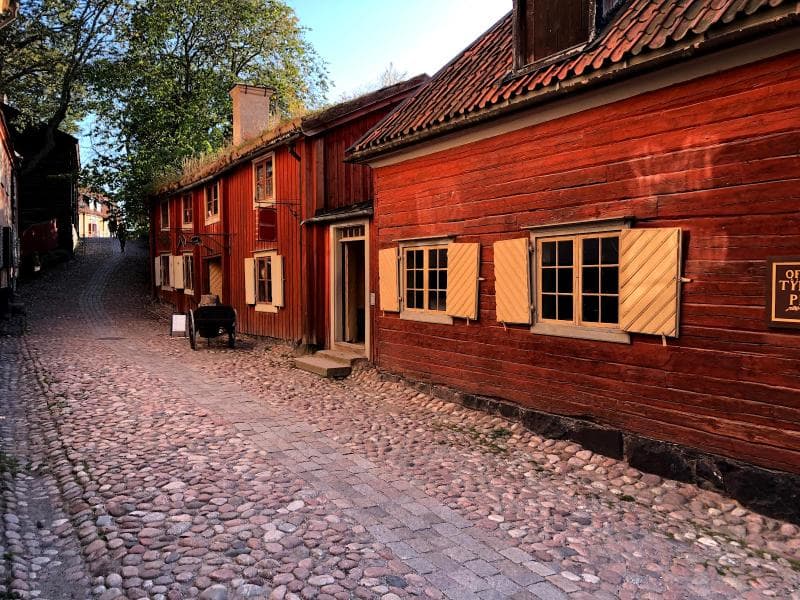
Explore Skansen, the world's oldest open-air museum and zoo in Stockholm, Sweden. Discover Swedish history, culture, and Nordic wildlife.
Overview
Nestled on the verdant island of Djurgården in Stockholm, Sweden, Skansen stands as the world's oldest open-air museum and zoo. It was inaugurated on October 11, 1891, by its visionary founder, Artur Hazelius. Skansen's primary purpose was to vividly portray the diverse ways of life across Sweden before the onset of the industrial era, thereby safeguarding the nation's rich cultural heritage. Covering an expansive area of approximately 75 acres, the park is a 'Sweden in miniature,' meticulously showcasing five centuries of Swedish history. Visitors can wander through around 150 historic buildings, which were carefully relocated from various regions of the country and meticulously reconstructed on site. Beyond its historical structures, Skansen is also home to a unique zoo, featuring indigenous Nordic animals and traditional Swedish livestock breeds.
History & Cultural Background
The genesis of Skansen lies in the late 19th century, a period of profound transformation in Europe and Sweden. Rapid industrialization threatened to erase traditional rural customs, occupations, and ways of life. Artur Hazelius, a renowned linguist, teacher, and folk educator, recognized this imminent loss and was driven by the motto 'know yourself' – a belief that understanding one's history is crucial to understanding the present. Having already founded the Nordic Museum, Hazelius embarked on creating Skansen as a living testament to Sweden's past. He traveled extensively, acquiring around 150 authentic houses and farmsteads from all corners of the country, including one from Norway. These structures were then painstakingly disassembled, transported, and rebuilt at Skansen. Initially, these historical settings were populated with dolls, but Hazelius soon replaced them with real people, dressed in period costumes, who actively demonstrated traditional crafts like spinning and weaving. This pioneering approach made Skansen a groundbreaking 'living museum' and served as a model for the establishment of numerous other open-air museums across Scandinavia and beyond. While Skansen gained independence in 1963, the historical artifacts within its buildings continue to be the property of the Nordic Museum, maintaining a deep connection to its origins.
What Makes It Special
What truly sets Skansen apart is its immersive, living history experience. Unlike static museums, Skansen brings the past to life through skilled artisans and interpreters who demonstrate traditional crafts and daily activities within authentic historical settings. You can witness tanners, shoemakers, silversmiths, bakers, and glass-blowers at work, offering a tangible connection to bygone eras. It's a comprehensive 'Sweden in miniature,' allowing visitors to journey through diverse regions and social strata of the country, from a southern Skåne farmstead to a Sami camp in the north, spanning five centuries of life. The on-site zoo is another unique draw, specializing in Nordic wildlife such as moose, brown bears, lynx, wolverines, seals, and otters, alongside rare and historically significant Swedish livestock breeds. For those curious about marine life, the Baltic Sea Science Center and the Skansen Aquarium offer insights into underwater ecosystems and exotic species. Throughout the year, Skansen celebrates cherished Swedish traditions with vibrant events, including Midsummer, Walpurgis Night, Lucia, and festive Christmas markets, providing a genuine glimpse into Swedish cultural practices. Perched on Djurgården, Skansen also offers spectacular panoramic views across the city of Stockholm, adding to its charm.
Stories, Fun Facts & Local Details
Artur Hazelius's dedication to creating a captivating experience meant that when he started the zoo, he even included some exotic animals, believing that visitors would be fascinated by them, despite them not perfectly fitting the 'miniature Sweden' concept. Interestingly, the very term 'Skansen' has evolved into a generic word used globally to describe similar open-air museums and collections of historic structures, particularly in Central and Eastern Europe and even the United States. A visit to the glass-blowers' hut is a highlight for many, where the mesmerizing process of transforming molten glass into beautiful objects unfolds before your eyes. For convenient access up the hill, the Skansens Bergbana, a funicular railway, has been operational since 1897. Skansen is also famous for its annual 'Allsång på Skansen' (Sing-along at Skansen), a beloved summer tradition where locals and tourists gather to sing popular songs, often broadcast nationally. Staff within the historic houses and farmsteads are not just caretakers; they are storytellers, eager to share insights and anecdotes about the lives of the people who once inhabited these spaces, offering a truly personal connection to history.
Visitor Perspective
Skansen is designed for exploration and enjoyment year-round, adapting its offerings to the changing seasons. Getting there is straightforward, with options including walking, cycling, tram, bus, or a scenic ferry ride to Djurgården. Once inside, visitors can easily spend a full day discovering the vast 75-acre site, immersing themselves in the detailed replica of a 19th-century town and interacting with the costumed craftsmen. Families with children will find plenty to delight in, including Lill-Skansen, a dedicated children's zoo, and numerous interactive activities. To enhance the experience, a web-based audio guide is available in multiple languages, offering context and stories about the park's history, animals, and environments, allowing for self-paced discovery. Special events and celebrations tied to Swedish holidays are frequent, making each visit potentially unique. Although summer tickets are typically pricier, the wide array of attractions and the opportunity for an engaging cultural and natural experience make Skansen a cherished destination for both Stockholmers and international travelers.
Coordinates: 18.10361, 59.32611
View on Google Maps💬 How Travelers Describe This Place
Based on community votes
Photogenic
852Beautiful
326Must See
276Unique
270Interesting
146
Traveler Stories
Discover memorable experiences shared by travelers who have visited this place.
No traveler stories yet.
Be the first traveler to share what made this place memorable.
Things to see at Skansen



Tour
By
Spot
Discover amazing places around the world. Your journey starts here.
Explore
© 2026 TourBySpot. All rights reserved.