Sami Camp
Stockholm, Sweden
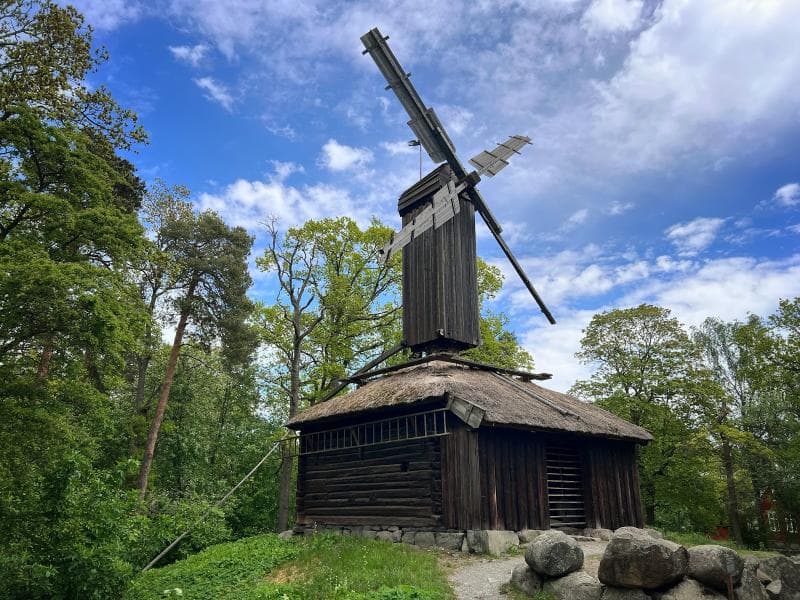
Explore the Sami Camp (Saemien Sijte) at Skansen, Stockholm, Sweden. Discover Europe's indigenous Sami culture, history, traditions, and unique dwellings.
Overview
Deep within the sprawling grounds of Skansen, the world's oldest open-air museum in Stockholm, Sweden, lies a captivating area known as the Sami Camp, or 'Saemien Sijte'. This unique sub-spot is not merely a collection of buildings; it is a thoughtful recreation designed to transport visitors into the heart of Sami culture and history. Skansen itself was founded by Artur Hazelius in 1891 with the vision of preserving and showcasing traditional Swedish life before the industrial era. The Sami Camp serves as a vital component of this mission, offering insights into the lives of the Sami people, who are Europe's only indigenous population.
Visitors to Saemien Sijte can explore authentic reproductions of Sami dwellings and structures, gaining a tangible understanding of their nomadic and semi-nomadic traditions. It is a place where history comes alive, allowing for a deeper appreciation of a vibrant and resilient culture that has adapted and thrived in the Nordic landscape for centuries. The camp aims to educate and foster respect for Sami heritage, presenting both historical aspects and contemporary relevance.
History & Cultural Background
The Sami people have a rich history intertwined with the northern regions of Scandinavia, often referred to as Sápmi. Traditionally, their way of life revolved around reindeer herding, fishing, and hunting, dictating a close relationship with nature and often a nomadic or semi-nomadic existence. Skansen's inclusion of a Sami Camp reflects its commitment to portraying the diverse cultural tapestry of Sweden. Initially, the museum's portrayal of Sami life, like that of other groups, sometimes involved 'living exhibitions' which, viewed through a modern lens, could be seen as problematic.
Today, Skansen collaborates actively with organizations like the Stockholm Sami Association to ensure an authentic and respectful representation of Sami culture. The museum highlights that the Sami are an indigenous people, emphasizing their distinct language, customs, and spiritual beliefs. The exhibits at Saemien Sijte showcase the ingenuity and adaptability of Sami architecture and daily life, such as the construction of specialized storage sheds and turf shelters, which were essential for survival in their traditional homelands.
What Makes It Special
What sets the Sami Camp at Skansen apart is its dedication to immersive cultural storytelling. It is not just about observing; it's about engaging with the spirit of Sami heritage. Visitors can see a 'njalla', a traditional timber shed built on poles to protect supplies from animals, and a 'torvkåta', a turf-covered hut, offering a glimpse into practical Sami living.
Beyond the structures, the camp often hosts cultural activities and events that bring Sami traditions to the forefront. Skansen regularly celebrates Sami National Day, a significant event commemorating the first Sami congress in Trondheim in 1917. During these times, the camp becomes a vibrant hub with opportunities to experience joik (traditional Sami vocal music), crafts known as 'Duodji', and learn about the Sami flag and national anthem. These celebrations are held in partnership with the Stockholm Sami Association, ensuring cultural accuracy and community involvement.
Stories, Fun Facts & Local Details
The Sami culture is replete with fascinating details. For instance, the Sami flag, approved in 1986, features a circle symbolizing both the sun (red) and the moon (blue), representing life and sustenance. The colors within the flag itself are drawn from traditional Sami costumes. Duodji, the Sami handicraft tradition, is not merely art but a practice deeply rooted in functionality and sustainability. Every piece, from intricately carved wooden items to reindeer leather bracelets embroidered with pewter thread, tells a story of connection to the land and efficient use of natural resources.
Another integral part of Sami culture is joik, one of Europe's oldest musical traditions. Unlike typical songs, joiks often 'call' or evoke a person, animal, or place, serving as a powerful form of cultural expression. Reindeer herding remains a vital aspect of Sami identity and livelihood for many, underpinning a rich culinary tradition centered around ingredients like reindeer meat and foraged berries such as cloudberries. Skansen's Sami Camp strives to convey these intricate details, helping visitors appreciate the depth and resilience of Sami traditions.
Visitor Perspective
For a curious traveler, the Sami Camp at Skansen offers a truly enriching experience. Stepping into this area feels like entering another world within the museum's historical landscape. It provides a unique opportunity to connect with an indigenous culture that has often been overlooked. Visitors frequently remark on the educational value, learning about the Sami's historical challenges, their ongoing efforts for cultural preservation, and their contemporary lives. Engaging with guides, who are often of Sami descent, can provide personal insights and firsthand accounts, making the experience even more meaningful.
The peaceful surroundings of the camp encourage reflection on the Sami's close relationship with nature and their sustainable practices. It's a chance to understand that while their traditional way of life might seem distant, the values of respect for the environment and cultural heritage are universally resonant. The Sami Camp at Skansen is an essential stop for anyone wishing to delve deeper into Sweden's indigenous history and experience a powerful cultural encounter.
Coordinates: 18.1036, 59.3261
View on Google Maps💬 How Travelers Describe This Place
Based on community votes
Unique
981Interesting
617Must See
565Photogenic
357Beautiful
28
Traveler Stories
Discover memorable experiences shared by travelers who have visited this place.
No traveler stories yet.
Be the first traveler to share what made this place memorable.

Tour
By
Spot
Discover amazing places around the world. Your journey starts here.
Explore
© 2026 TourBySpot. All rights reserved.