Zoo Area
Stockholm, Sweden
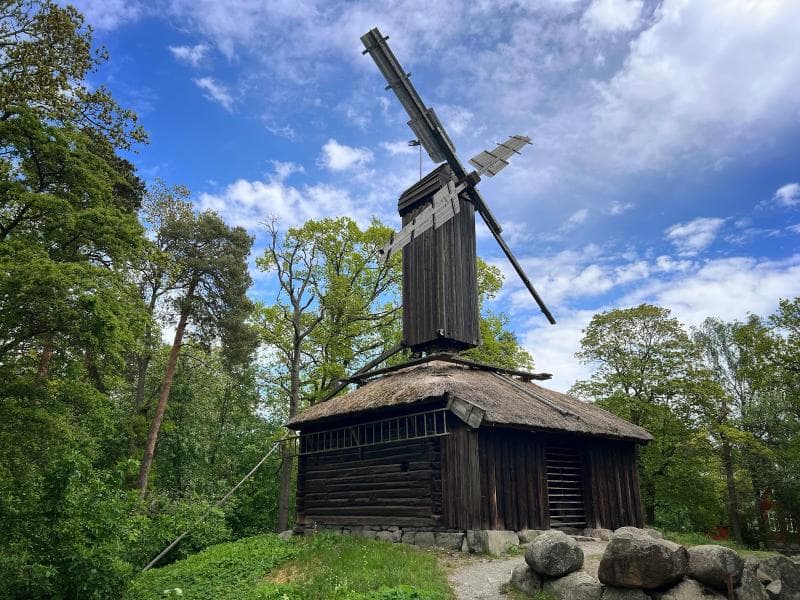
Explore Skansen's Zoo Area in Stockholm, Sweden, home to Nordic wildlife, traditional farm animals, and exotic species. Discover conservation efforts and unique cultural experiences.
Overview
Nestled within the historical and picturesque open-air museum of Skansen in Stockholm, Sweden, lies the captivating Zoo Area. This unique attraction offers a blend of wildlife encounters and cultural immersion, showcasing both native Nordic animals and traditional Swedish livestock breeds. Visitors can explore diverse habitats, from expansive enclosures housing large mammals to intimate settings for smaller creatures, all while learning about Sweden's rich natural heritage. The Zoo Area is an integral part of Skansen's mission to preserve and present Swedish life through the ages, providing a dynamic living exhibit that appeals to all ages.
Beyond its outdoor exhibits, the Zoo Area extends to specialized environments like Lill-Skansen, a children's zoo, and the Skansen Aquarium, which introduces visitors to a world of exotic species. Furthermore, the Baltic Sea Science Center delves into the fascinating underwater life of the Baltic Sea, emphasizing environmental awareness. It is a place where education and entertainment converge, offering a comprehensive look at biodiversity and conservation efforts.
History & Cultural Background
Skansen itself holds the distinction of being the world's first open-air museum, founded in 1891 by Artur Hazelius. His vision was to create a 'living museum' that would preserve and display the traditional way of life in various parts of Sweden before the advent of the industrial era. Crucially, Skansen was also the first open-air museum to incorporate a zoo. Hazelius believed that understanding Sweden's cultural identity required appreciating its natural heritage, hence the early integration of an animal park.
The Zoo Area was established with a clear educational purpose: to illustrate the connection between animals, nature, and human history in Sweden. This historical approach means that many of the animals featured, especially the Nordic wild species and traditional farm animals, directly reflect the country's landscape and agricultural past. It is not merely a collection of animals but a thoughtfully curated exhibit that enhances the historical narrative of Skansen.
What Makes It Special
The Skansen Zoo Area is distinguished by its primary focus on Nordic wildlife and indigenous Swedish domestic breeds. Here, travelers can encounter iconic animals such as brown bears, moose, lynxes, wolverines, seals, and otters, thriving in environments designed to mimic their natural habitats. This emphasis provides a unique opportunity to observe the animals that have shaped Sweden's ecosystems and cultural lore.
A significant aspect of the Zoo Area's appeal is its unwavering commitment to conservation. Skansen actively participates in national and international conservation programs for endangered species. Notable success stories include its involvement in the reintroduction of the European bison to the wild and ongoing support for the critically endangered forest reindeer and the Swedish Arctic Fox Project. Visitors' entrance fees directly contribute to these vital biodiversity protection efforts, making a visit here both enjoyable and impactful.
The inclusion of Lill-Skansen, the Children's Zoo, adds another layer of appeal, particularly for families. This section provides younger visitors with a chance for closer interaction with smaller, often gentler, animals like rabbits, guinea pigs, and miniature pigs. The Skansen Aquarium, in contrast, offers a glimpse into a more exotic realm, housing monkeys, fish, crocodiles, and various reptiles, showcasing global biodiversity alongside local species.
Stories, Fun Facts & Local Details
One charming tradition at Lill-Skansen is the 'pacifier machine.' Children ready to part with their pacifiers can leave them for the resident cats, receiving a special diploma to commemorate this significant milestone. It's a heartwarming local detail that embodies the playful and educational spirit of the children's area.
Skansen's commitment to education is evident through its daily 'animal talks.' Knowledgeable zookeepers share fascinating facts about the animals' behaviors, diets, and Skansen's care practices, offering a deeper understanding of each species. These talks are a fantastic way to engage with the park's mission and learn directly from the experts.
In a recent and exciting development, Skansen's moose welcomed twin calves, offering visitors the joy of observing these young, majestic creatures. This highlights the vibrant and dynamic nature of the zoo, where life constantly unfolds and new stories are created. The zoo's long history also includes pivotal roles in species preservation, such as housing the last remaining European bison in 1918 and subsequently contributing to their successful reintroduction into the wild.
Visitor Perspective
For the curious traveler, the Zoo Area at Skansen provides an enriching and memorable experience. It's an opportunity to connect with nature and history simultaneously. Strolling through the park, one can observe animals in spacious enclosures that feel integrated into the natural landscape, rather than confined. The opportunity to see majestic Nordic animals up close, coupled with the backdrop of historical Swedish buildings, creates a truly immersive atmosphere.
The range of animal encounters, from the wild bears and wolves to the gentle farm animals and the exotic inhabitants of the aquarium, ensures there's something to capture every interest. For those who wish to delve deeper, audio guides are available, offering context and stories about the animals and their significance within Skansen's broader historical narrative. Whether you are a nature enthusiast, a history buff, or a family seeking engaging activities, the Zoo Area offers a multifaceted journey into Sweden's living heritage.
Coordinates: 18.1022, 59.3223
View on Google Maps💬 How Travelers Describe This Place
Based on community votes
Interesting
921Must See
617Beautiful
357Photogenic
232Unique
147
Traveler Stories
Discover memorable experiences shared by travelers who have visited this place.
No traveler stories yet.
Be the first traveler to share what made this place memorable.

Tour
By
Spot
Discover amazing places around the world. Your journey starts here.
Explore
© 2026 TourBySpot. All rights reserved.