Historic Farmsteads
Stockholm, Sweden
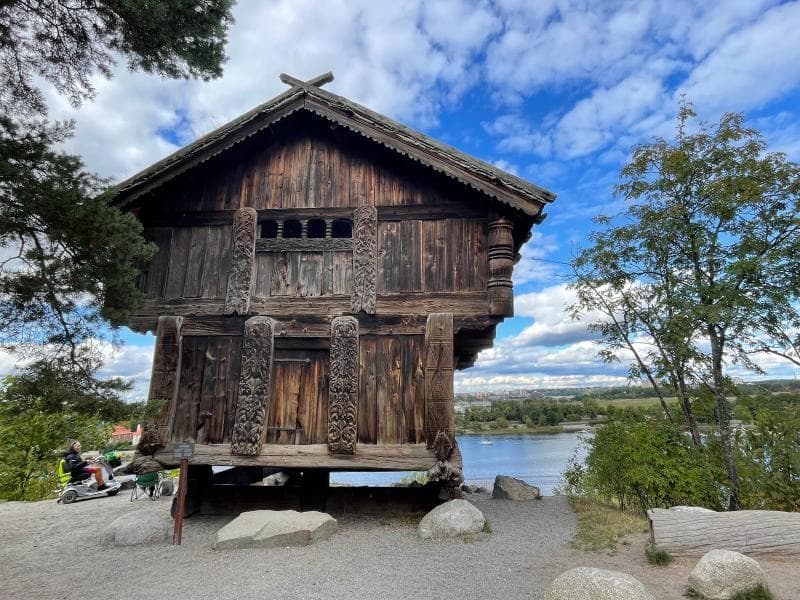
Explore Historic Farmsteads at Skansen in Stockholm, Sweden. Step back in time to 18th-20th century Swedish rural life through authentic buildings and traditions.
Overview
Stepping into the Historic Farmsteads at Skansen in Stockholm, Sweden, is like embarking on a journey through time. Skansen, the world's first open-air museum, was founded in 1891 by Artur Hazelius with the vision of preserving and showcasing Swedish cultural heritage. Situated on the picturesque Djurgården island, this unique destination allows visitors to experience life as it was in Sweden before the industrial era. The Historic Farmsteads are a central part of this living museum, featuring a collection of around 150 to 190 authentic buildings meticulously relocated from various parts of Sweden. These structures, dating from the 18th to the early 20th centuries—with some even as old as the 14th century—offer a tangible connection to the past. They create environments that vividly bring cultural history to life, engaging all the senses through sights, sounds, smells, tastes, and touch. Each farmstead tells a unique story, reflecting the diverse social conditions and regional characteristics of historical Sweden.
History & Cultural Background
Artur Hazelius, a linguist and folk educator, established Skansen in 1891 with a profound belief in the importance of understanding history; his motto was 'know yourself'. He aimed to create a 'miniature historical Sweden' within the museum, collecting buildings, plants, and animals to illustrate how people lived and worked across the country. Hazelius began by relocating houses from various Swedish regions to Skansenberget. Initially, these houses were furnished with dolls dressed in traditional costumes, but soon, real people began to inhabit them, demonstrating traditional crafts like spinning, weaving, and baking, transforming Skansen into a truly 'living museum'. The primary focus was to preserve and present rural culture and traditions before they were irrevocably altered by industrialization. The farmsteads were carefully disassembled at their original sites and then reconstructed with great attention to detail at Skansen, ensuring their authenticity and integrity. The collection spans the country's geography and societal strata, from the Skåne farmstead in the south to the Sami camp in the north, providing a comprehensive view of Sweden's past.
What Makes It Special
The Historic Farmsteads are distinguished by their profound authenticity and immersive experience. Visitors don't just observe; they step inside genuine historical buildings, each filled with stories and traces of lives once lived. Unlike traditional museums, there are no display cases here; cultural heritage is experienced up close, within authentic environments. This interactive approach is enhanced by historical interpreters in period dress who demonstrate traditional activities such as glassblowing, pottery, weaving, and baking. The diverse range of structures, including farmhouses, cowsheds, storehouses, and bakehouses, illustrates the intricate self-sufficient nature of old Swedish farm life. Each building served a specific function, with families and animals often arranged around enclosed courtyards. Important examples include the Älvros Farmstead from Härjedalen, which depicts daily life in the 1830s, highlighting a society focused on producing its own food, clothing, and tools. Another notable example is the Delsbo Farmstead from Hälsingland, showcasing the rich decorations and painted interiors typical of prosperous farms around 1850, which often comprised 20 to 30 buildings. The presence of traditional Swedish domestic animal breeds further enriches the experience, emphasizing their integral role in agricultural heritage.
Stories, Fun Facts & Local Details
The farmsteads are rich with fascinating narratives. The Älvros Farmstead, for instance, nearly didn't make it to Skansen; in 1895, founder Artur Hazelius learned of its existence, and it was donated to the museum by a forestry company that had planned to demolish it for timber. It was painstakingly reconstructed at Skansen between 1915 and 1916. The Delsbo Farmstead reveals the ingenuity of past generations, where grandparents, upon handing over the farm to their children, would move into separate cottages—a traditional form of 'retirement security'. Prosperity in Hälsingland, as seen at Delsbo, grew from clever crop rotation, particularly with flax, and the increasing value of timber from the forests. A curious detail is that the entrance porches of Hälsingland farmhouses were often richly decorated in styles like Gustavian or Rococo, signifying the farmer's wealth and status. Skansen's broader mission extends beyond mere preservation; it aims to connect the past, present, and future, offering historical context to contemporary societal issues. This dedication means that both tangible elements, like the buildings and objects, and intangible cultural heritage, such as crafts, knowledge, stories, music, and seasonal traditions, are kept alive.
Visitor Perspective
For the curious traveler, visiting the Historic Farmsteads offers an unparalleled opportunity to explore at one's own pace, immersing oneself in the environments and stories of bygone eras. Knowledgeable experts and interpreters, dressed in period costumes, are present to engage with visitors, providing explanations and demonstrating traditional crafts, allowing for a deeper understanding of cultural heritage. To enhance the experience, guided tours are available, and visitors can also utilize web-based audio guides on their mobile devices, which offer context about the history, animals, and surroundings. Planning for a visit, it's advisable to wear comfortable shoes, as there's plenty of walking across varied terrain, including some uneven cobblestone paths. Skansen is widely recognized as a family-friendly destination, with hands-on crafts and demonstrations that appeal to children and adults alike, making history accessible and engaging for all ages.
Coordinates: 18.1022, 59.3223
View on Google Maps💬 How Travelers Describe This Place
Based on community votes
Beautiful
852Photogenic
645Interesting
244Must See
146Unique
80
Traveler Stories
Discover memorable experiences shared by travelers who have visited this place.
No traveler stories yet.
Be the first traveler to share what made this place memorable.

Tour
By
Spot
Discover amazing places around the world. Your journey starts here.
Explore
© 2026 TourBySpot. All rights reserved.