Rijksmuseum
Amsterdam, Netherlands
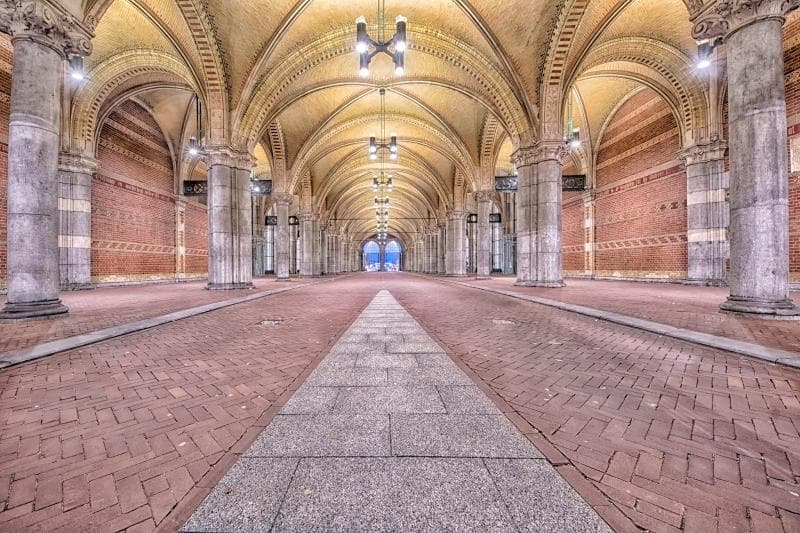
Explore the Rijksmuseum in Amsterdam, Netherlands, home to Dutch masterpieces like 'The Night Watch' and a rich collection spanning 800 years of art and history.
Overview
The Rijksmuseum stands as the national museum of the Netherlands, a grand repository of Dutch arts, history, and cultural heritage, located proudly in Amsterdam. Situated on Museum Square, it is a prominent landmark dedicated to showcasing 800 years of Dutch history and artistic achievement. Housing a vast collection of approximately one million objects, with around 8,000 pieces typically on display, the museum invites visitors on an immersive journey through time.
History & Cultural Background
The story of the Rijksmuseum began modestly in The Hague on November 19, 1798, established as the Nationale Kunstgalerij (National Art Gallery) during the Batavian Republic. In 1808, under the reign of King Louis Napoleon, the museum's collection was relocated to Amsterdam, initially finding a home in the Royal Palace on Dam Square. The present, iconic building, a masterpiece of Dutch Neo-Gothic and Neo-Renaissance architecture, was designed by Pierre Cuypers and officially opened its doors in 1885. Cuypers' design was notable for blending Gothic and Renaissance elements, with critics initially debating its style, some even suggesting it resembled a Catholic cathedral too closely for King William III's taste. After a significant ten-year renovation, costing €375 million, the main building was gloriously reopened in 2013 by Queen Beatrix, restoring much of Cuypers' original vision while modernizing the visitor experience. Today, the Rijksmuseum serves as the preeminent cultural institution in the Netherlands, safeguarding and celebrating the nation's artistic and historical legacy.
What Makes It Special
What truly sets the Rijksmuseum apart is its unparalleled collection, particularly its focus on the Dutch Golden Age. Visitors are drawn to masterpieces by the great Dutch masters. Rembrandt van Rijn's monumental 'The Night Watch' is arguably the most famous piece, captivating audiences with its dramatic use of light and shadow and its depiction of a civic militia company. Johannes Vermeer's intimate domestic scenes, such as 'The Milkmaid' and 'The Little Street', are celebrated for their luminous quality and exquisite rendering of everyday life. The museum also proudly displays powerful portraits by Frans Hals and a significant self-portrait by Vincent van Gogh, offering a broader scope of Dutch artistry. Beyond paintings, the Rijksmuseum's collections include intricate Delftware ceramics, impressive Asian art housed in its dedicated pavilion, and a fascinating array of historical artifacts spanning eight centuries.
Stories, Fun Facts & Local Details
The Rijksmuseum building itself holds several intriguing secrets and stories. Uniquely, it is the only museum in the world with a public road running through it, which originally served as a historical gate into the city. While once open to motorized vehicles, this central passage is now exclusively for cyclists and pedestrians, making for an unforgettable entry. Due to Amsterdam's swampy soil, the massive structure rests on no fewer than 8,000 wooden piles, a testament to 19th-century engineering that still supports the building today. Another captivating detail is 'The Threatened Swan' by Jan Asselijn, the museum's very first acquisition in 1800, which later became a powerful symbol of Dutch national resistance. For those with a love for books, the Cuypers Library within the museum is the largest and oldest art history research library in the Netherlands, freely accessible to the public and a serene space for study and reflection. Additionally, the museum features remarkable 17th-century dolls' houses, which were not children's toys but elaborate and expensive hobbies for wealthy women, offering a unique glimpse into domestic life of the era.
Visitor Perspective
To fully appreciate the Rijksmuseum, visitors should plan for at least three to four hours, though art enthusiasts could easily spend an entire day exploring its extensive galleries. The museum is open daily, and visiting early in the morning right after opening or later in the afternoon helps avoid the largest crowds, particularly on weekdays which tend to be less busy than weekends. Booking tickets online in advance is highly recommended to ensure entry and minimize waiting times. The museum is committed to accessibility, offering elevators, wheelchair-accessible restrooms, and specialized tours for visually and hearing-impaired visitors. Free audio guides and a museum app are available, providing maps and detailed insights into the collections, enhancing the self-guided exploration. From the grandeur of its architecture to the profound stories held within its artworks, the Rijksmuseum offers a deeply enriching and memorable cultural experience.
Coordinates: 4.8852, 52.3599
View on Google Maps💬 How Travelers Describe This Place
Based on community votes
Beautiful
623Interesting
545Unique
343Must See
302Photogenic
20
Traveler Stories
Discover memorable experiences shared by travelers who have visited this place.
No traveler stories yet.
Be the first traveler to share what made this place memorable.
Things to see at Rijksmuseum



Tour
By
Spot
Discover amazing places around the world. Your journey starts here.
Explore
© 2026 TourBySpot. All rights reserved.