Plaka
Athens, Greece
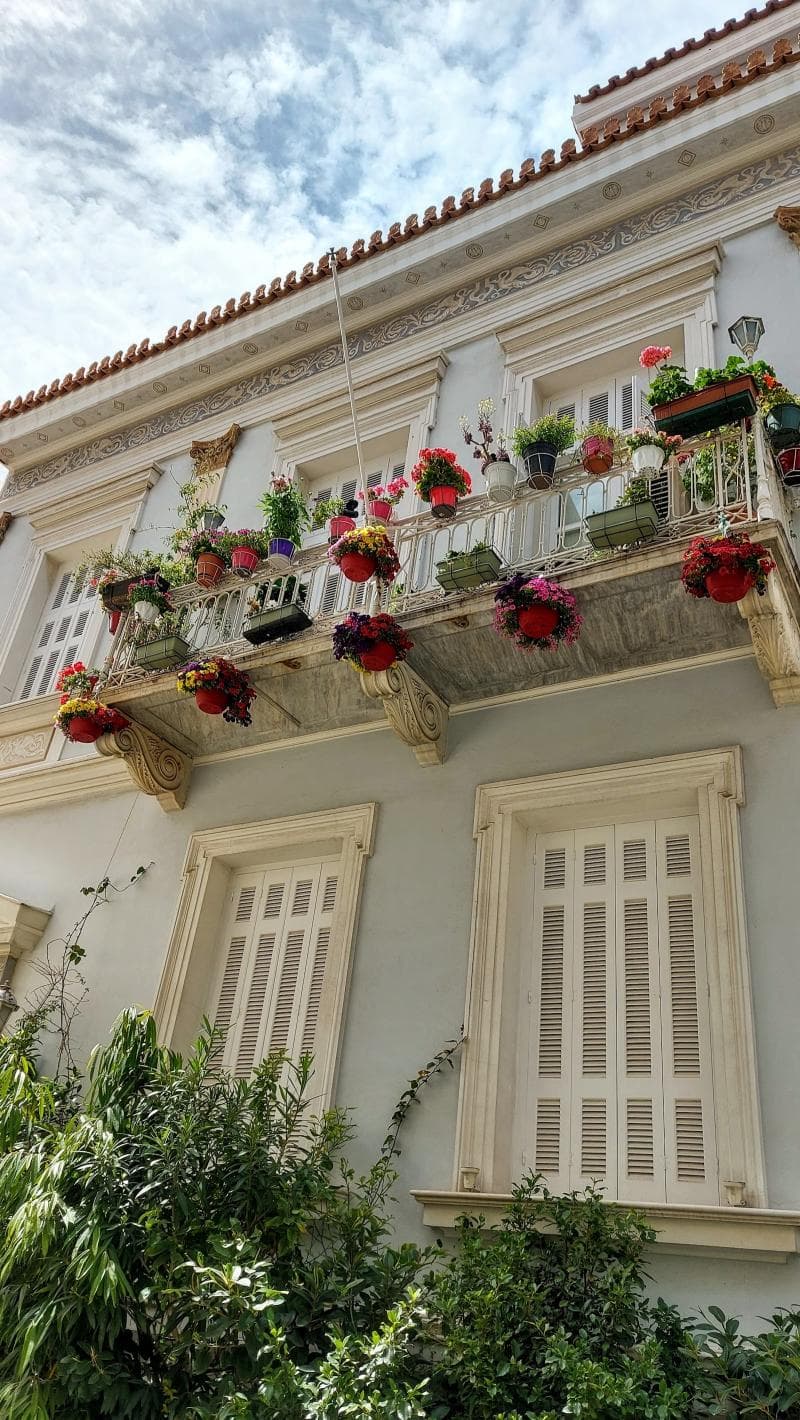
Explore Plaka, the 'Neighborhood of the Gods' in Athens, Greece. Discover its ancient history, neoclassical charm, and vibrant local life.
Overview
Nestled beneath the majestic Acropolis, Plaka is Athens' oldest historical neighborhood, often affectionately called the 'Neighborhood of the Gods.' Its charm lies in a captivating labyrinth of narrow, winding, often car-free streets and alleys, showcasing a distinctive neoclassical architectural style. Plaka forms the vibrant heart of the city's historic center, situated between the bustling Syntagma and Monastiraki squares. Exploring Plaka means stepping onto pathways continuously inhabited for over 3,000 years, offering a direct connection to Athens' layered past.
History & Cultural Background
Plaka stands on the very foundations of ancient Athens' residential areas, making it the city's most enduring district with continuous habitation stretching from the Neolithic period to the present day. As such, it is a living museum, featuring monuments that span every era of Athens' rich history. Historic thoroughfares, such as Adrianou and Tripodon streets, trace their origins back to antiquity. Following the Greek War of Independence in 1826, the neighborhood, which had been temporarily abandoned due to severe battles, was repopulated by a diverse mix of old Athenian families and new arrivals, including artisans and professionals. The neoclassical architecture, prevalent throughout Plaka, was intentionally embraced in the 19th century to symbolically link the newly formed modern Greek state with its glorious classical heritage. In the 1970s, efforts were made to reclaim Plaka's tranquil character after a period of becoming a noisy nightlife hub, leading to conservation and pedestrianization initiatives that preserved its unique atmosphere. The Ministry of Culture continues to play a vital role in protecting and promoting Plaka's historic buildings and cultural identity.
What Makes It Special
Plaka's allure is multifaceted. Its nickname, 'Neighborhood of the Gods,' reflects its unparalleled proximity to the Acropolis and numerous archaeological sites, offering breathtaking views around every corner. The district's predominantly pedestrian nature invites leisurely exploration, revealing neoclassical mansions adorned with red tiled roofs and balconies overflowing with colorful bougainvillea, geraniums, and jasmine. A particularly unique gem within Plaka is Anafiotika, a tiny sub-neighborhood perched on the slopes of the Acropolis. This 'Cycladic island within the capital' was built in the 1840s by masons from the island of Anafi, who recreated their island's characteristic whitewashed, cube-like houses, providing a striking contrast to the surrounding urban landscape. Plaka brilliantly showcases the coexistence of three distinct time periods: the visible remnants of ancient history, the elegant 19th-century neoclassicism, and the vibrant contemporary life. The area also boasts a concentration of significant cultural institutions, including the Acropolis Museum, the Museum of Greek Folk Art, and the Jewish Museum of Greece.
Stories, Fun Facts & Local Details
Beyond its historical grandeur, Plaka is rich with local stories and charming details. The neighborhood holds a special place in the memories of older Athenians, having been depicted in many Greek films of the 1950s and 60s when it was a working-class area. It was also a launching pad for famous Greek artists who debuted in its traditional 'boites.' Plaka is renowned for its iconic tavernas, where the spirit of Greek conviviality thrives, and the evocative 'Kantades'—traditional wine songs—once filled the air. The area remains a central point for Athens' Carnival celebrations, with streets once teeming with thousands of costumed revelers. A stroll through Plaka reveals everyday delights: cats lounging on sun-drenched steps, lace-trimmed curtains fluttering from windows, and the comforting scent of fresh laundry mingling with blooming flowers. Hidden in its smaller alleys are artisan workshops preserving traditional crafts like leatherwork, icon painting, and silver jewelry making. Embracing the local rhythm means dining late, as Athenians typically enjoy their evening meals between 9 and 11 PM.
Visitor Perspective
Plaka is best experienced on foot, allowing travelers to fully immerse themselves in its unique atmosphere. Wandering through its winding lanes, visitors are treated to unexpected glimpses of the Acropolis framed by neoclassical buildings. The neighborhood offers a wide array of small shops, from souvenir vendors to art galleries and boutiques, alongside numerous cafes and restaurants. It's an ideal place to savor traditional Greek dishes like mezedes, souvlaki, moussaka, and loukoumades at a quaint sidewalk taverna or a rooftop bar offering panoramic views of the ancient city. The bustling Monastiraki flea market, especially vibrant on Sundays, is a short walk away, providing an opportunity for treasure hunting and people-watching. To avoid the peak crowds and the heat, the shoulder seasons (April, May, June, September, and October) or the early morning and late afternoon hours are generally considered the best times to visit. Its central location and pedestrian-friendly environment make Plaka an excellent base for exploring Athens' major archaeological sites and museums.
Coordinates: 23.73056, 37.97222
View on Google Maps💬 How Travelers Describe This Place
Based on community votes
Must See
996Unique
673Photogenic
186Beautiful
143Interesting
80
Traveler Stories
Discover memorable experiences shared by travelers who have visited this place.
No traveler stories yet.
Be the first traveler to share what made this place memorable.
Things to see at Plaka



Tour
By
Spot
Discover amazing places around the world. Your journey starts here.
Explore
© 2026 TourBySpot. All rights reserved.