Old Bazaar
Skopje, North Macedonia
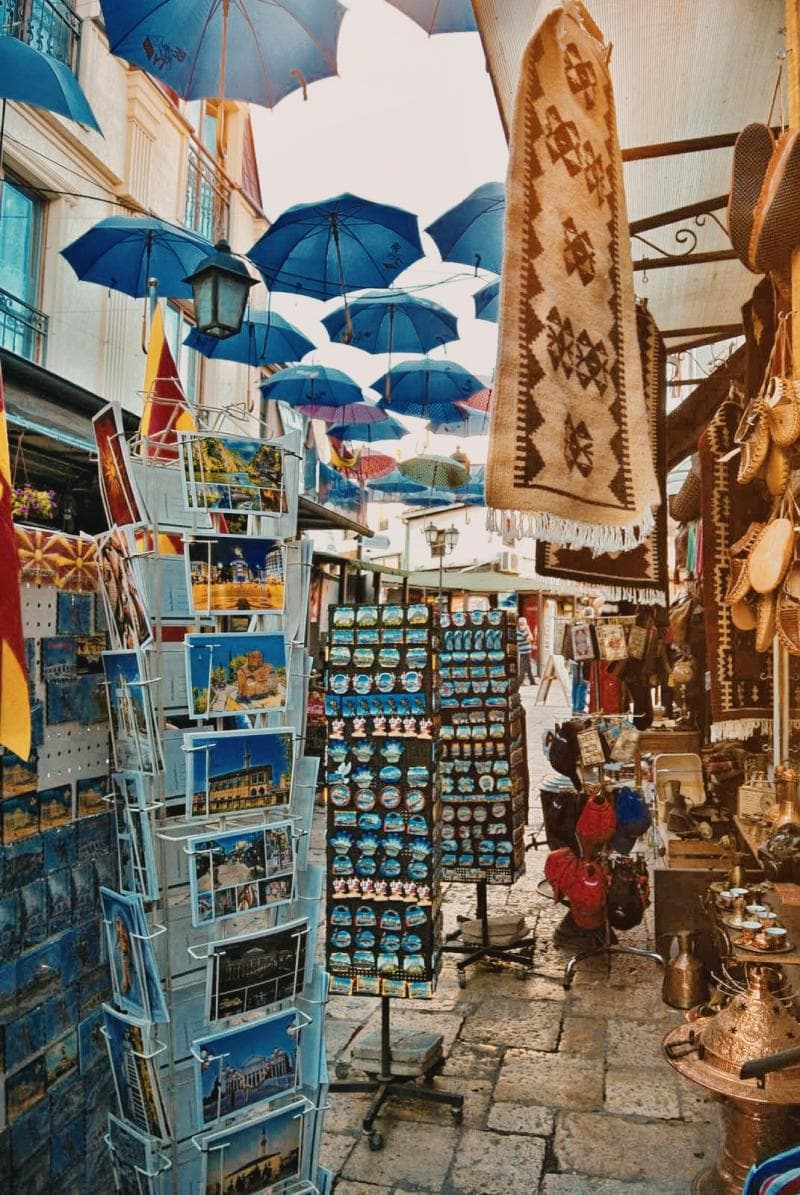
Explore Skopje's Old Bazaar in North Macedonia, a historic marketplace blending Ottoman and Byzantine architecture with vibrant local life.
Overview
Stepping into Skopje's Old Bazaar, known locally as Stara Čaršija, is like journeying through centuries of history and culture. Nestled on the eastern bank of the Vardar River, stretching from the iconic Stone Bridge to the bustling Bit-Pazar and towards the Skopje Fortress, it stands as one of the oldest and largest marketplaces in the Balkans, second only to Istanbul's Grand Bazaar. This vibrant district has been the heart of Skopje's trade and commerce since at least the 12th century, serving as a dynamic crossroads where East meets West. While predominantly characterized by stunning Ottoman architecture, traces of Byzantine influence are also evident, creating a rich tapestry of styles that tell the story of its tumultuous past. Today, the Old Bazaar is not merely a historical relic; it is a living, breathing part of the city, bustling with traditional craft shops, charming cafes, and a palpable sense of enduring heritage.
History & Cultural Background
The Old Bazaar's roots stretch back to the 12th century, first emerging as a significant merchant quarter. Its golden age flourished under Ottoman rule, transforming into Skopje's primary economic and cultural hub. During this period, the bazaar rapidly expanded, adorned with numerous mosques, caravanserais (roadside inns), hans (guest houses), and hammams (public baths), many of which still stand today. However, its long history is also marked by resilience in the face of adversity. The bazaar has suffered extensive damage from several major earthquakes, notably in 1555 and 1963, as well as devastating fires in 1689 and 1908, and destruction during the First and Second World Wars. Each time, it rose from the ashes, rebuilt and revitalized, showcasing the indomitable spirit of its people. Recognizing its profound significance, the Macedonian Parliament officially declared the Old Bazaar a cultural heritage of particular importance in 2008, safeguarding its future and preserving its unique character.
What Makes It Special
What truly sets Skopje's Old Bazaar apart is its remarkable ability to blend profound historical significance with vibrant contemporary life. It is often described as a 'living museum,' where centuries-old traditions of commerce and craftsmanship continue amidst historical architecture. The narrow, cobblestone streets invite exploration, revealing a captivating blend of Ottoman, Byzantine, and even some modern architectural elements. It serves as a powerful symbol of Skopje's cosmopolitan past, where diverse cultures and religions converged, creating a unique social fabric. Unlike many historical sites, the Old Bazaar is not static; it pulsates with daily activity, making every visit an immersive cultural experience. It is a place where every corner seems to tell a story, reflecting the rich and often turbulent history of the region.
Stories, Fun Facts & Local Details
Wandering through the Old Bazaar, visitors encounter a sensory delight. The air is often filled with the aroma of freshly brewed coffee and traditional Macedonian dishes, while the sounds of artisans at work echo through the lanes. You can find goldsmiths meticulously crafting filigree jewelry, coppersmiths shaping metal, and various other craftsmen preserving age-old trades. For a taste of local life, seek out traditional tea houses, or restaurants like Destan, renowned for its kebabs, or Old House (Stara Kuka) for authentic Macedonian cuisine. Don't forget to indulge in sweet treats like baklava and Turkish delight. The bazaar is also home to several architectural marvels. The Mustafa Pasha Mosque, built in 1492, stands as an exquisite example of Ottoman religious architecture. The Cifte Hammam, a 15th-century dual bathhouse, has been beautifully repurposed into an art gallery, offering a unique setting for contemporary exhibitions. The Stone Bridge, a 15th-century structure itself, gracefully connects the historical bazaar to the more modern parts of Skopje, serving as a tangible link between the city's past and present.
Visitor Perspective
For the curious traveler, the Old Bazaar offers an unforgettable experience. It is best explored on foot, allowing ample time to wander through its charming labyrinthine streets and discover hidden gems. Many visitors recommend starting your exploration from the Stone Bridge and making your way uphill towards the Kale Fortress, which provides a clear sense of the historical layout and strategic importance of the area. While shops and cafes are open during the day, offering opportunities to browse unique crafts and enjoy local delicacies, the bazaar also possesses a distinct charm in the evening. Spring and autumn are particularly pleasant for visits due to milder weather conditions. When visiting, it's advisable to wear comfortable shoes due to the cobblestone streets and uneven pathways. Bringing cash for smaller purchases is also a good idea, and don't be afraid to engage in friendly bargaining, as it's often part of the local shopping culture. For those interested in deeper cultural immersion, remember to dress modestly when visiting religious sites and be respectful of local customs.
Coordinates: 21.437, 42.0008
View on Google Maps💬 How Travelers Describe This Place
Based on community votes
Must See
872Beautiful
684Unique
363Interesting
250Photogenic
88
Traveler Stories
Discover memorable experiences shared by travelers who have visited this place.
No traveler stories yet.
Be the first traveler to share what made this place memorable.
Things to see at Old Bazaar



Tour
By
Spot
Discover amazing places around the world. Your journey starts here.
Explore
© 2026 TourBySpot. All rights reserved.