Daut Pasha Hammam
Skopje, North Macedonia
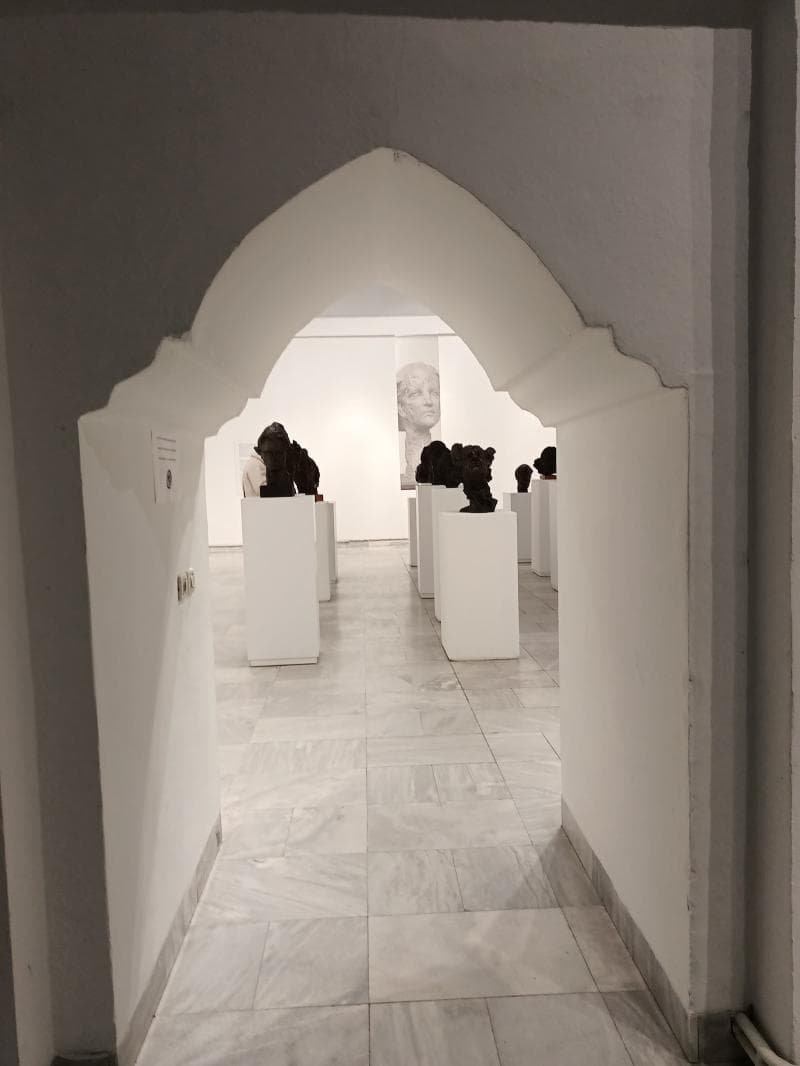
Explore Daut Pasha Hammam in Skopje, North Macedonia: a 15th-century Ottoman bathhouse turned art gallery. Discover its rich history and unique architecture.
Overview
Nestled within the vibrant cobblestone lanes of Skopje's Old Bazaar, the Daut Pasha Hammam stands as a monumental testament to Ottoman architecture and a cornerstone of North Macedonia's cultural heritage. Once a bustling public bath, this magnificent structure now serves as a prominent exhibition space for the National Gallery of North Macedonia, drawing visitors into a world where ancient history and contemporary art beautifully intertwine. Its imposing silhouette, crowned with numerous domes, marks it as an unmissable landmark for any curious traveler exploring the capital.
History & Cultural Background
The Daut Pasha Hammam was built in the second half of the 15th century, believed to be between 1468 and 1497, by Daut Pasha, a high-ranking official in the Ottoman Empire and Vizier of Rumelia. While the exact construction year and original inscription have been lost to time, historical data points to its creation during his tenure. This grand edifice was conceived as a 'chifte hammam,' a double bath, meticulously separated into male and female sections, each with its own entrance, reflecting the social customs of the era. The male section typically had an entrance from the main street of the bazaar, while the female side was more discreetly located on a side street.
Over centuries, the hammam endured significant challenges, including the devastating earthquake of 1555, a major fire in 1689, and subsequent damages. After losing its original function as a bathhouse, it was utilized as a warehouse for a period. A pivotal moment in its history occurred in 1948 when, following extensive restoration, it was adapted and reopened as an art gallery, becoming a vital part of the National Gallery of Macedonia. It suffered further damage during the 1963 Skopje earthquake but was subsequently rehabilitated, continuing its role as a cultural institution.
What Makes It Special
What truly sets the Daut Pasha Hammam apart is its remarkable architecture, making it a masterpiece of Islamic profane architecture. Spanning an impressive 900 square meters, the building is distinguished by its roof, adorned with 13 unequally spaced domes that hint at the complex interior layout. Inside, visitors discover a labyrinth of 15 interconnected rooms, featuring vaulted passages and ornate decorations that are typical of Oriental design. The exterior showcases alternating rows of stone and two rows of bricks joined by mortar, a common building technique of its period. Architectural details like stalactite ornaments in the passages and fragments of friezes with stylized flowers in low relief on the walls offer glimpses into the artistic sophistication of the Ottoman era.
Stories, Fun Facts & Local Details
Beyond its tangible history, the Daut Pasha Hammam is steeped in intriguing local legends. One of the most enduring tales suggests the hammam was cursed and, consequently, never actually operated as a bathhouse. According to this legend, when the construction was complete, Daut Pasha visited with his harem. Instead of water, snakes appeared, with one version even claiming a snake bit his beloved daughter, leading him to order the facility shut down. This misfortune was purportedly seen as divine retribution for building the hammam on the site of an earlier Christian church, St. Demetrius.
While this captivating folklore adds a mystical layer to the hammam's past, historical records suggest otherwise, indicating it generated income between 1546 and 1568, implying it was indeed functional. Another lesser-known legend attributes its non-operation to the immense amount of firewood required for heating, which became scarce due to deforestation. Salih Asim mentions the hammam originally had 99 fountains, a fascinating detail highlighting its former grandeur.
Visitor Perspective
Today, the Daut Pasha Hammam offers a unique experience to those who step through its ancient doors. It functions as a key part of the National Gallery of North Macedonia, providing a stunning backdrop for art exhibitions. Here, travelers can explore a permanent collection showcasing the evolution of Macedonian visual arts from the 14th to the 20th centuries, alongside various temporary displays of contemporary art. It is a place where the echoes of a 15th-century Ottoman bathhouse meet modern artistic expression, creating a distinctive ambiance for art and history enthusiasts alike. The building itself is a central attraction, inviting visitors to appreciate its preserved Ottoman architecture alongside the artistic works it houses.
Coordinates: 21.43572, 41.99872
View on Google Maps💬 How Travelers Describe This Place
Based on community votes
Interesting
551Unique
547Beautiful
336Photogenic
298Must See
219
Traveler Stories
Discover memorable experiences shared by travelers who have visited this place.
No traveler stories yet.
Be the first traveler to share what made this place memorable.

Tour
By
Spot
Discover amazing places around the world. Your journey starts here.
Explore
© 2026 TourBySpot. All rights reserved.