Tea Houses
Skopje, North Macedonia
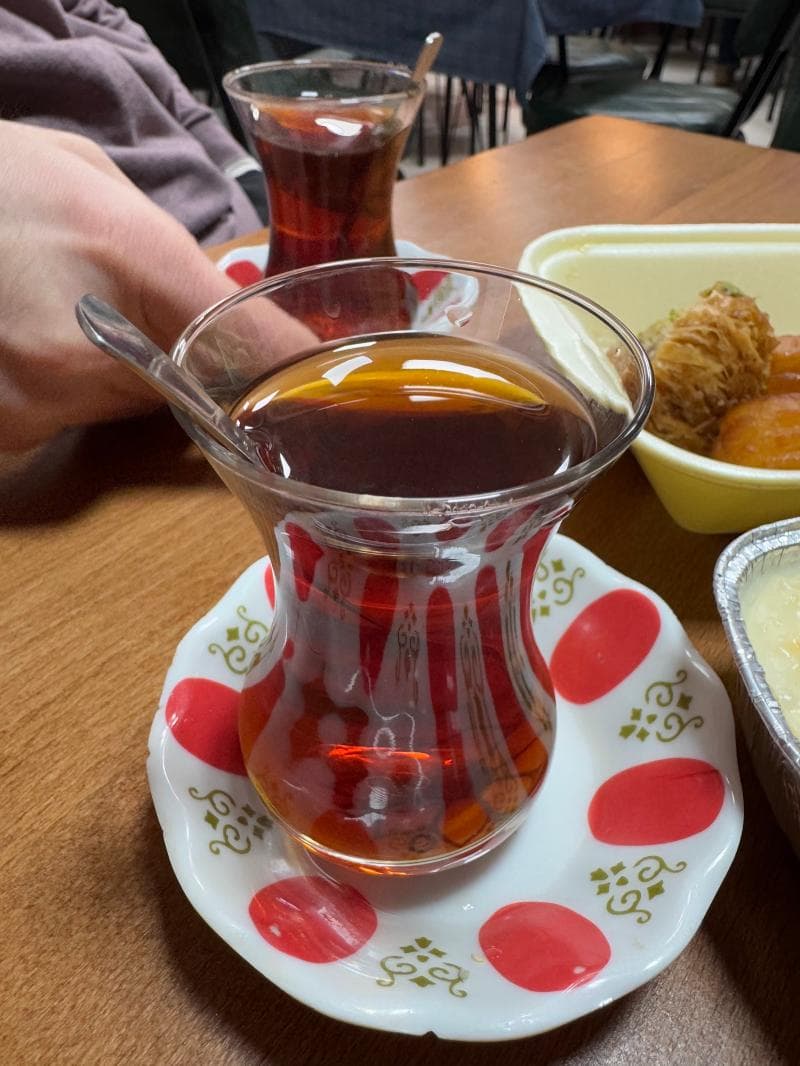
Discover the enchanting tea houses of Skopje's Old Bazaar, North Macedonia. Savor traditional tea amidst centuries of history and Ottoman charm.
Overview
Nestled within the vibrant labyrinth of Skopje's Old Bazaar in North Macedonia, the tea houses offer a captivating glimpse into a rich historical and cultural tapestry. The Old Bazaar, known locally as Stara Čaršija, is one of the oldest and largest marketplaces in the Balkans, with origins dating back to the 12th century. It stands as a living museum, preserving the essence of Ottoman-era life through its cobbled lanes, artisan workshops, mosques, and, notably, its traditional tea houses. These charming establishments are an integral part of the bazaar's enduring character, providing serene havens amidst the bustling activity. Designated a cultural heritage site of particular importance in 2008, the Old Bazaar, with its distinct Ottoman and Byzantine architectural blend, invites visitors to step back in time and savor an authentic piece of Skopje's soul.
History & Cultural Background
The history of the tea houses in Skopje's Old Bazaar is inextricably linked to the bazaar's development under Ottoman rule. Emerging as a significant commercial hub in the 12th century, the bazaar truly flourished from the 15th to the 19th centuries when it became a pivotal center of trade, craft, and social life in the Balkans. The Ottomans profoundly shaped the bazaar's urban fabric, introducing numerous mosques, hans (caravanserais, or roadside inns), and covered markets, which collectively fostered a dynamic cultural exchange.
Within this vibrant commercial ecosystem, tea houses, alongside coffee shops, became essential social institutions. They served as gathering places where merchants, craftsmen, and locals would converge, not just for refreshment, but for conversation, news, and community bonding. Despite enduring significant challenges, including devastating earthquakes in 1555 and 1963, and fires in 1689 and 1908, the Old Bazaar, and by extension its tea houses, have been rebuilt and restored, remarkably retaining their historical spirit and character. The tradition of tea drinking here reflects a deep-seated cultural practice, inherited from centuries of Ottoman influence, making these establishments more than just places to drink; they are custodians of a cherished past.
What Makes It Special
What sets the tea houses of Skopje's Old Bazaar apart is their ability to transport visitors to another era. They offer an authentic atmosphere that stands in stark contrast to the modernity found elsewhere in Skopje, creating a tranquil escape. The experience often involves savoring traditional 'Turkish tea' or local 'Macedonian tea', frequently prepared and served with time-honored rituals. A common sight is tea brewed on hot sand, a method that ensures an even and flavorful infusion. The tea is typically presented in small, elegant, tulip-shaped glasses, often resting on a delicate metal tray, sometimes accompanied by a piece of sweet Turkish delight.
These establishments are more than just places to quench thirst; they embody a profound social ritual. They are spaces for contemplation, quiet conversation, and observing the timeless rhythm of the bazaar. Some tea houses are found within the courtyards of ancient hans, providing a uniquely historical backdrop to the simple pleasure of a cup of tea. This blend of historical setting, traditional service, and cultural significance imbues each tea-drinking experience with a special charm, making it a highlight for many visitors.
Stories, Fun Facts & Local Details
The tea houses in Skopje's Old Bazaar hold countless stories within their ancient walls. Historically, these were predominantly male gathering spaces where men would linger for hours, sipping their beverages while engaging in lively discussions or engrossed in games of dominoes, dice, or cards. This tradition of social tea drinking is deeply rooted in the broader Turkish tea culture, which emphasizes hospitality and shared moments. It's a testament to the bazaar's enduring character that these customs still echo through the alleys and courtyards.
A fun fact from earlier times recounts how tea, and even a hot cherry drink called 'višnja', could be purchased for a mere 10 denars, offering an affordable 'paradise' of warmth and relaxation, especially on a chilly December afternoon. Taking a break at a tea house is often seen as a necessary pause from exploring the myriad artisan shops and historic landmarks scattered throughout the bazaar. The Old Bazaar itself is frequently described as a 'mosaic of colors, scents, and sounds', and the tea houses perfectly encapsulate this sensory richness, offering a fragrant and calming counterpoint to the vibrant hustle and bustle.
Visitor Perspective
For the curious traveler, visiting the tea houses of Skopje's Old Bazaar offers an enriching and memorable experience. They provide a welcome respite and a tranquil escape from the faster pace of modern Skopje. Sitting in one of these traditional settings allows visitors to slow down, observe the daily life unfolding around them, and immerse themselves in the timeless charm of the bazaar. You can watch passersby, listen to the distant calls of vendors, and simply soak in the atmosphere.
This immersive experience provides an authentic taste of local culture and hospitality, creating a genuine connection with the city's heritage. Many of the tea rooms and coffee shops are well-accustomed to tourists, offering an inviting and authentic environment for everyone. Indeed, the Old Bazaar, including its inviting tea houses, is consistently highlighted as a 'must-visit destination' for anyone exploring Skopje, promising not just a drink, but a profound cultural encounter that resonates long after the last sip.
Coordinates: 21.437, 42.0008
View on Google Maps💬 How Travelers Describe This Place
Based on community votes
Must See
623Unique
545Beautiful
343Photogenic
211Interesting
20
Traveler Stories
Discover memorable experiences shared by travelers who have visited this place.
No traveler stories yet.
Be the first traveler to share what made this place memorable.

Tour
By
Spot
Discover amazing places around the world. Your journey starts here.
Explore
© 2026 TourBySpot. All rights reserved.