Kuršumli An
Skopje, North Macedonia
Discover Kuršumli An, a historic 16th-century Ottoman caravanserai in Skopje's Old Bazaar, North Macedonia. Explore its rich history, unique architecture, and vibrant cultural events.
Overview
Nestled within the bustling alleys of Skopje's historic Old Bazaar, Kuršumli An stands as a testament to the city's rich Ottoman past. This magnificent 16th-century caravanserai, meaning 'inn' or 'guesthouse', once served as a vital hub for merchants and travelers traversing Balkan trade routes. Today, its enduring stone walls and distinctive architecture offer a tranquil escape and a vibrant cultural space within the capital of North Macedonia. It is considered one of the most beautiful and significant cultural monuments, reflecting Islamic profane architecture.
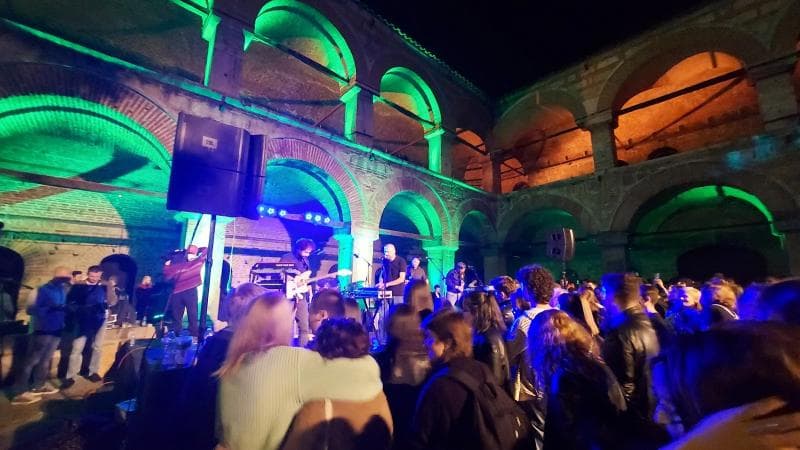
Originally designed to provide lodging for wayfarers and secure storage for their goods, Kuršumli An has transformed over centuries. It now forms part of the Museum of Macedonia, regularly hosting a variety of cultural events, art exhibitions, and performances, particularly during the summer months.
History & Cultural Background
Kuršumli An was constructed in the mid-16th century, likely around 1549-1550, by Muslihuddin Abdul Ghani, also known as Muezin-hodja Al-Ma'dini. Initially, it was known as Muezin-hodja's lodging, named after its founder. The caravanserai played a crucial role in the economic development of Skopje, which was a significant transit point in the wider trade network of the Ottoman Empire.
Its unique name, 'Kuršumli An', is believed to have originated in the 19th century, meaning 'inn with a lead roof' (from the Turkish 'kurşunlu han'). This distinguished it from other inns in Skopje, as its roof was constructed with expensive lead. Over its long history, the building saw various uses; after ceasing its function as an inn in the late 18th century, it was converted into an Ottoman prison in the second half of the 19th century, a role it briefly reprised in the early 20th century.
The structure has endured significant challenges, including damage from the devastating 1963 Skopje earthquake, after which it underwent extensive restoration. Since 1955, it has housed the lapidarium (collection of stone monuments) of the Archaeological Museum of Macedonia, showcasing archaeological artifacts and historical exhibits.
What Makes It Special
The architectural splendor of Kuršumli An lies in its classical Ottoman design. Built primarily of cut stone in a square form, it features a grand central courtyard. The interior boasts two gallery levels with arcaded passages, creating an impressive visual rhythm. The roof, which originally gave the han its name, is composed of numerous pyramid-shaped domes, once covered in lead, giving the interior spaces a distinctive definition.
The caravanserai is massive, with thick walls and a total of sixty rooms; twenty-eight on the ground floor and thirty-two on the upper floor. The ground floor rooms were traditionally used for storing merchant goods, while the upper-floor rooms provided accommodation for travelers. A beautifully crafted fountain, known as a shadrvan, graces the central courtyard, providing a refreshing focal point. What truly sets Kuršumli An apart in its current iteration is its exceptional acoustics, making it an ideal venue for contemporary music performances and cultural events.
Stories, Fun Facts & Local Details
The very name 'Kuršumli An' holds a fascinating detail: 'kurşunlu' means 'with lead' in Turkish, directly referencing the expensive lead that once covered its numerous domes. This lead was removed during World War I and repurposed for military use, after which the inn was covered with tiles. Imagine the bustling scene centuries ago, with merchants from diverse lands haggling over goods, and travelers sharing stories under the same lead-domed roof that now echoes with music and art. The caravanserai's history as a prison adds another intriguing layer to its past, hinting at the many lives and transformations it has witnessed.
The structure's enduring presence in the Old Bazaar signifies its importance as more than just a building; it is a living chronicle of Skopje's evolution from an Ottoman trading post to a vibrant modern city. Its unique character contributes significantly to the atmosphere of the Old Bazaar, inviting visitors to step back in time and connect with a rich cultural tapestry.
Visitor Perspective
For the curious traveler, Kuršumli An offers a captivating journey into Skopje's heritage. Located conveniently within the Old Bazaar, it's easily accessible on foot from the city center. As you wander through its spacious courtyard and beneath the arched passages, you can almost hear the whispers of past merchants and feel the echoes of centuries of trade. The building's serene ambiance, despite its central location, provides a peaceful respite from the lively bazaar outside.
Visitors can explore the archaeological exhibits housed within, which are part of the Museum of Macedonia, offering insights into the region's ancient past. Furthermore, depending on the timing of your visit, you might be fortunate enough to experience one of the many cultural events, art exhibitions, or concerts that leverage the han's remarkable acoustic qualities. Checking local event calendars is recommended to catch a performance within this truly atmospheric setting. The site is a reminder that history in Skopje is not just preserved but actively lives and breathes within its ancient structures.
Coordinates: 21.43694, 42.00306
View on Google Maps💬 How Travelers Describe This Place
Based on community votes
Interesting
623Photogenic
343Unique
302Must See
250Beautiful
88
Traveler Stories
Discover memorable experiences shared by travelers who have visited this place.
No traveler stories yet.
Be the first traveler to share what made this place memorable.

Tour
By
Spot
Discover amazing places around the world. Your journey starts here.
Explore
© 2026 TourBySpot. All rights reserved.