Nordic Museum
Stockholm, Sweden
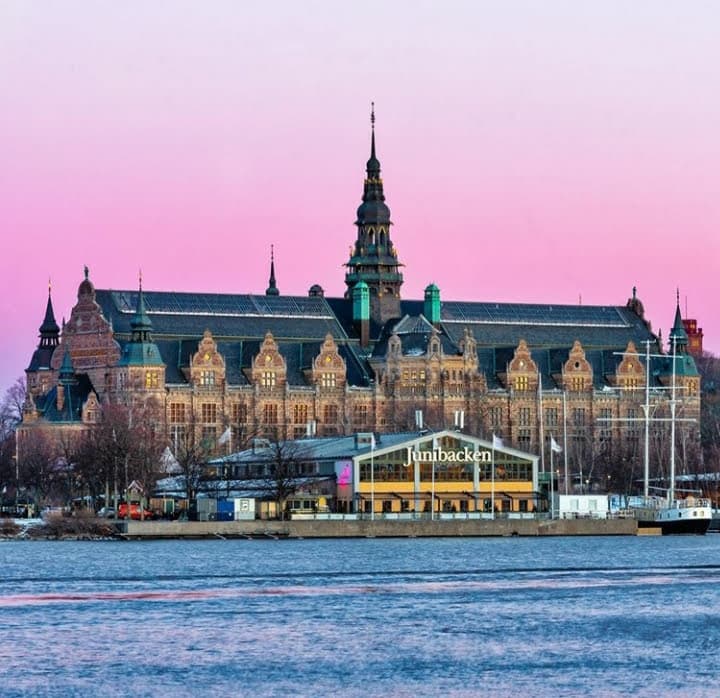
Discover Nordic Museum in Stockholm, Sweden. Explore 500 years of Nordic life, culture, and traditions in a grand Renaissance-style castle.
Overview
The Nordic Museum, known locally as Nordiska museet, stands as a grand testament to the cultural history and ethnography of Sweden and the wider Nordic region. Located on the picturesque island of Djurgården in central Stockholm, this magnificent institution invites visitors to explore 500 years of Nordic life, from the early modern period (dating back to 1520) to the present day. Its towering presence, resembling a Renaissance-style castle, is a landmark in itself, situated prominently right in front of the Vasa Museum.
Founded in 1873 by Artur Hazelius, the museum's core mission has always been to document and preserve the tangible and intangible cultural heritage of the Nordic people. It houses an extraordinary collection of over 1.5 million objects, complemented by 6 million images and countless personal stories, all reflecting the traditions, customs, fashion, and daily life across different social strata. Through its comprehensive exhibitions, the Nordic Museum offers a unique window into how environments, nature, and climate have shaped life in the Nordic countries.
History & Cultural Background
The story of the Nordic Museum begins with Artur Hazelius, a dedicated Swedish teacher and folklore expert, who envisioned a 'palace for the people' to house Sweden's material inheritance. He initially opened the 'Scandinavian Ethnographic Collection' in 1873, driven by a desire to preserve disappearing folk life, clothing, and customs amidst rapid modernization. This pioneering approach focused on the lives of ordinary people, a refreshing departure from the era's typical national museums that primarily highlighted royalty and wars.
The grand building we see today, designed by architect Isak Gustaf Clason, took 19 years to construct, finally opening its doors in 1907. Although it was only half-completed compared to Hazelius' initial grand vision, its Dutch-influenced Danish Renaissance architecture creates an imposing and memorable structure. Over the years, the museum's scope expanded beyond peasant culture to include bourgeois and urban lifestyles, ensuring a holistic portrayal of Nordic society.
What Makes It Special
The Nordic Museum is truly special due to its unwavering commitment to telling the story of everyday life. Unlike many institutions that chronicle grand historical events, this museum delves into the intimate details of how people lived, worked, and celebrated. Its extensive collections cover everything from intricate textiles and fashion throughout the centuries to furniture, table settings, and children's toys, offering a genuine sense of connection to past generations.
The museum's main hall is a breathtaking space, measuring 126.5 meters long and 24 meters high, making it one of Sweden's largest non-religious rooms. Dominating this vast hall is a colossal sculpture of King Gustav Vasa, symbolizing the museum's historical span from the 16th century onwards. Beyond the main building, the museum's foundation also manages several historical properties across Sweden, including castles, farms, and chapels, further preserving unique cultural environments.
Stories, Fun Facts & Local Details
One fascinating aspect of the Nordic Museum is its ongoing engagement with the cultural heritage of the Sami people, the indigenous population of the Nordic region. The museum holds a significant collection of Sami objects, some of which were acquired during periods when Sami culture faced systemic disrespect. In a poignant move towards reconciliation, the museum has begun returning certain artifacts, such as 'seitar,' to Sami communities and has issued apologies for past ethical shortcomings in acquisition. This demonstrates a vital commitment to responsible cultural stewardship.
Artur Hazelius, the museum's founder, also established Skansen, the world's second open-air museum, which for many years was part of the Nordic Museum before becoming independent in 1963. The museum's archives are a treasure trove, containing not only millions of photographs but also personal diaries, folklore, and records of daily life, preserving thoughts, dreams, and even sorrows for future generations. Visitors can even experience a detailed recreation of a 1940's flat, offering an immersive glimpse into a specific era of Swedish home life.
Visitor Perspective
A visit to the Nordic Museum is an enriching journey through time. Its permanent exhibitions, such as 'Nordic Life,' span five centuries, showcasing how traditions, fashion, and daily routines have evolved. Recent additions like the 'Nordbor' exhibition further visualize this extensive history through a vast array of objects and narratives.
To enhance the experience, the museum offers free audio guides in multiple languages, allowing curious travelers to explore at their own pace and delve deeper into the stories behind the exhibits. For families, there's a playful children's area designed as an authentic 1890s farmhouse, providing an interactive way for younger visitors to connect with history. The museum also features a welcoming restaurant serving traditional Swedish 'fika' and meals, along with a shop offering Nordic design and souvenirs, making it a complete cultural destination in the heart of Stockholm.
Coordinates: 18.093333, 59.329167
View on Google Maps💬 How Travelers Describe This Place
Based on community votes
Interesting
981Photogenic
617Beautiful
565Must See
157Unique
28
Traveler Stories
Discover memorable experiences shared by travelers who have visited this place.
No traveler stories yet.
Be the first traveler to share what made this place memorable.
Things to see at Nordic Museum



Tour
By
Spot
Discover amazing places around the world. Your journey starts here.
Explore
© 2026 TourBySpot. All rights reserved.