Folk Culture Exhibits
Stockholm, Sweden
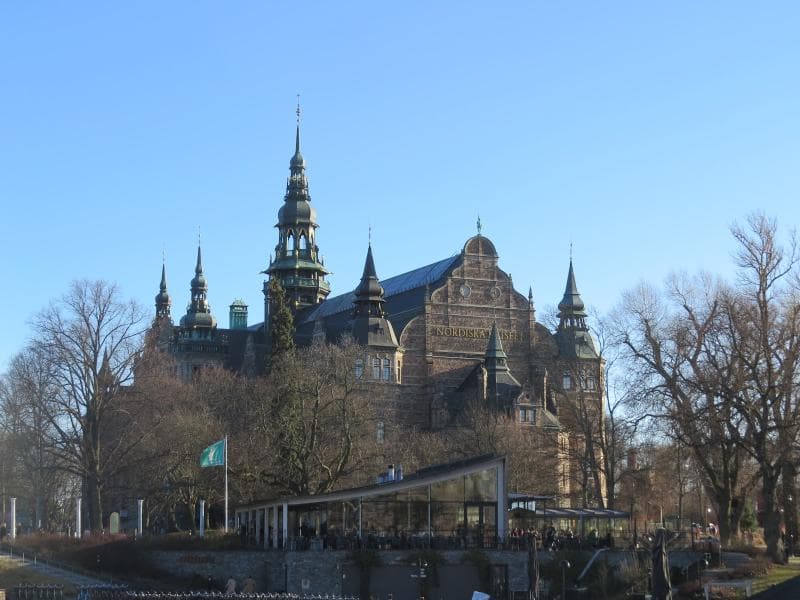
Explore Nordic folk culture exhibits at the Nordic Museum in Stockholm, Sweden. Discover centuries of everyday life, traditions, and crafts.
Overview
The Nordic Museum (Nordiska museet) in Stockholm, Sweden, stands as a grand repository dedicated to the cultural history and ethnography of the Nordic region, spanning from the 16th century to the present day. While not a single, distinct 'Folk Culture Exhibits' section in the traditional sense, the museum's entire ethos and foundational collections are deeply rooted in preserving and showcasing Nordic folk culture. It is Sweden's largest museum of cultural history, housing over 1.5 million objects that illuminate the daily lives, traditions, and cultural evolution of people across the Nordic countries.
Visitors to this magnificent institution embark on a comprehensive journey through various aspects of folk life, from clothing and customs to homes, crafts, and beliefs. The museum was conceived with the explicit purpose of documenting and safeguarding the disappearing folk life and traditions amidst rapid modernization, making folk culture an intrinsic and pervasive theme throughout its extensive displays.
History & Cultural Background
The genesis of the Nordic Museum lies in the visionary efforts of its founder, Artur Hazelius, who began collecting objects in 1872. He opened the Scandinavian Ethnographic Collection in 1873, driven by a desire to preserve Sweden's disappearing folk culture, including clothing, customs, and traditions. At a time when most national museums focused on royalty or warfare, Hazelius's innovative approach centered on the lives of ordinary people.
Initially, the focus was almost exclusively on peasant culture – costumes, clothing, and everyday items belonging to common folk. As the museum evolved, its scope broadened to include bourgeois and urban lifestyles, recognizing the diverse tapestry of Nordic society. This historical commitment to 'everyday life' means that the very fabric of Nordic folk culture forms the enduring foundation of the museum's vast and varied collections, offering a unique perspective on the region's heritage.
What Makes It Special
What sets the Nordic Museum's exploration of folk culture apart is its unparalleled depth and its 'human-centered' narrative. Unlike institutions that might gloss over the mundane, the Nordic Museum elevates the ordinary, transforming everyday objects into profound historical artifacts. The collections feature authentic items used by people, each carrying a story of 'who, where, and when'.
From intricate folk costumes that reveal regional identities and social statuses to practical furniture, tapestries, tableware, and even humble items like bark bread, the exhibits provide a tangible connection to the past. Furthermore, the museum's permanent displays delve into themes such as table settings through history, jewelry, houses and interiors, Swedish folk art, and the rich traditions of the Sápmi people, the indigenous population of the Nordic region. The careful curation presents cultural evolution not as an abstract concept, but as a lived experience, making the history relatable and engaging for visitors.
Stories, Fun Facts & Local Details
Within the folk culture exhibits, countless stories and fascinating details await discovery. Imagine gazing upon a remarkable cube chair from Norway, carved from a single tree trunk in the 1500s – a testament to early craftsmanship and resourcefulness. Or consider the extensive collection of traditional folk costumes, which were among Artur Hazelius's earliest acquisitions and formed the very core of his initial vision to capture Sweden's disappearing heritage.
The museum's archive also preserves a wealth of folklore, including thoughts, dreams, daily struggles, love, and sorrow in written stories and memories. This includes significant historical documents, like the 'Årstadagboken' (Årsta Diary) kept by Märta Helena Reenstierna for nearly 50 years, offering intimate glimpses into 18th and 19th-century life. The new major exhibition, 'Nordbor' (Nordic Life), continues this tradition by presenting an epic and visual journey through Nordic cultural history, built on 150 years of collected objects and narratives, showcasing how culture and life are shaped through human interaction and environmental harmony.
Visitor Perspective
For a curious traveler, exploring the folk culture exhibits at the Nordic Museum is like stepping into a living history book. It offers a profound sense of connection to the past, allowing one to visualize and understand how ordinary people lived, worked, celebrated, and mourned across centuries in the Nordic countries. The exhibitions are designed to be immersive, fostering an appreciation for the ingenuity, resilience, and artistry embedded in everyday objects and traditions. Engaging with these displays provides not just historical facts, but a deeper emotional understanding of the shared human experience within a unique cultural context. It is an opportunity to reflect on heritage and identity, making for a truly memorable and enriching visit to Stockholm. The museum's focus on collecting and documenting the present also ensures that the story of Nordic life continues to unfold, inviting visitors to see the past as a dynamic prelude to the now.
Coordinates: 18.0933, 59.3292
View on Google Maps💬 How Travelers Describe This Place
Based on community votes
Interesting
934Beautiful
879Unique
741Must See
396Photogenic
276
Traveler Stories
Discover memorable experiences shared by travelers who have visited this place.
No traveler stories yet.
Be the first traveler to share what made this place memorable.

Tour
By
Spot
Discover amazing places around the world. Your journey starts here.
Explore
© 2026 TourBySpot. All rights reserved.