Textile Galleries
Stockholm, Sweden
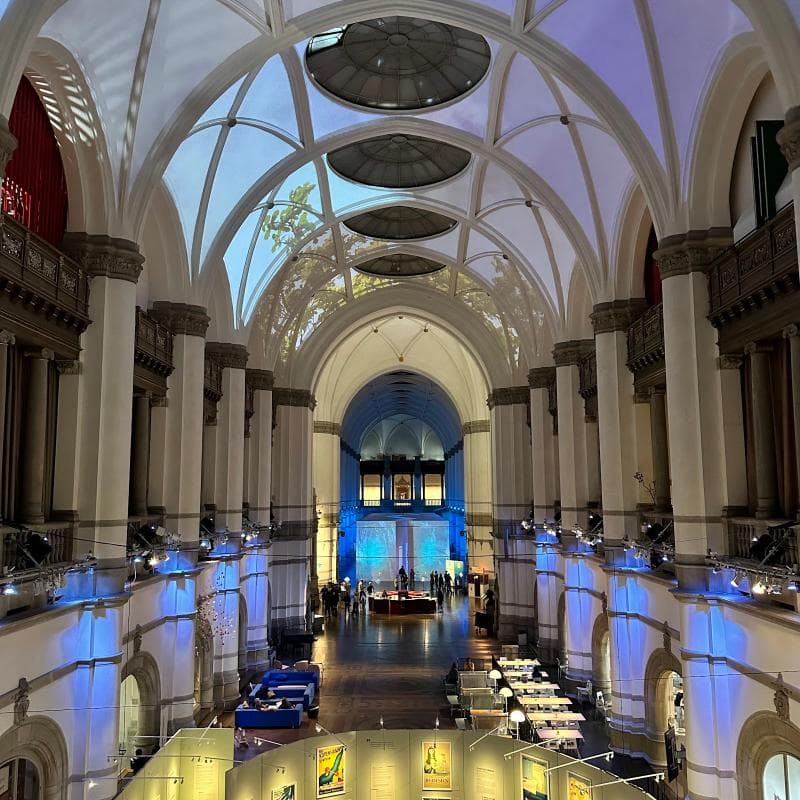
Explore the rich textile heritage at the Nordic Museum in Stockholm, Sweden. Discover centuries of fashion, folk art, and cultural stories woven into fabric.
Overview
The Textile Galleries within Stockholm's Nordic Museum (Nordiska museet) offer a captivating journey through Sweden's rich textile heritage. As part of Sweden's largest museum of cultural history, these exhibitions showcase an extensive collection of textiles, garments, and accessories that have shaped Nordic life from the 16th century to the present day. Visitors can explore how various fabrics, designs, and techniques reflect societal changes, daily customs, and artistic expressions across half a millennium. The museum's dedication to preserving and presenting these items makes the Textile Galleries a significant destination for anyone interested in the material culture of the Nordic region.
History & Cultural Background
The Nordic Museum was founded in 1873 by Artur Hazelius with the vision of collecting and preserving objects that illustrate the life and work of people in Sweden and the other Nordic countries. From its inception, textiles were recognized as a fundamental part of this cultural narrative. Nordic culture has a long-standing tradition of valuing handicrafts, with weaving, knitting, and embroidery being integral to everyday life and community. The museum's vast textile archive, one of the largest in Scandinavia, meticulously documents the evolution of these traditions, from the practical necessity of early garments to the intricate artistry of folk costumes and ceremonial attire.
What Makes It Special
What truly sets the Textile Galleries apart is the depth and variety of their collection, presenting textiles not merely as exhibits but as storied artifacts. The displays encompass a wide array of items, including historical lace, intricate knitting, and textiles integral to Sami culture, along with a broad selection of historical dress, folk costumes, and contemporary fashion. A particularly engaging feature is the presentation of around 500 textile objects from the museum's extensive holdings in specially crafted 'treasure chest' boxes. These unique showcases allow for an intimate viewing experience, inviting visitors to examine closely items such as printed carpets, exquisite tapestry weaving, delicate lace, 17th-century cross-stitch floral motifs, garters, and Tunisian crochet vests. This method of display transforms each piece into a tangible piece of history, allowing the textiles to 'speak' of their past lives and uses.
Stories, Fun Facts & Local Details
Every thread and pattern in the Textile Galleries weaves a story of Nordic life. For instance, the collection illuminates how garments were not just for covering but also communicated social status, regional identity, and personal milestones. You might encounter an 1854 silk wedding dress, its pristine white reflecting 19th-century bridal traditions, offering a tangible link to past lives. Beyond local traditions, the textiles also reveal fascinating cultural exchanges. The museum showcases how British styles have influenced Nordic fashion over centuries; for example, corduroy is still affectionately known as 'manchester' in Swedish, a linguistic echo of Britain's industrial textile history. Tartans and tweed, originally British, found their way into Nordic wardrobes, adapting to local tastes and climates. The collection includes a diverse range of items, from functional, everyday wear to luxurious embroidered pieces, offering a comprehensive view of textile use and artistry.
Visitor Perspective
A visit to the Textile Galleries provides a thoughtful and enriching experience for any curious traveler. The curated displays within the Nordic Museum are designed to offer more than just a visual treat; they aim to educate and inspire. The presentation of objects in individual boxes, as described, fosters a sense of discovery and allows for focused appreciation of each textile's unique craftsmanship and story. Visitors can delve into the details, gaining a deeper understanding of the significance of textiles in everyday Nordic life and cultural development. The museum often integrates these textile treasures into broader narratives, such as its 'Nordic Life' exhibition, which opened in 2024. To further enhance the experience, audio guides are available, offering contextual information and insights into the displayed items. Situated on the lush island of Djurgården, the Nordic Museum is easily accessible, making it a convenient and rewarding stop on any Stockholm itinerary.
Coordinates: 18.0942, 59.32898
View on Google Maps💬 How Travelers Describe This Place
Based on community votes
Beautiful
981Unique
617Interesting
357Photogenic
147Must See
28
Traveler Stories
Discover memorable experiences shared by travelers who have visited this place.
No traveler stories yet.
Be the first traveler to share what made this place memorable.

Tour
By
Spot
Discover amazing places around the world. Your journey starts here.
Explore
© 2026 TourBySpot. All rights reserved.