Ngong Ping 360 & Big Buddha
Hong Kong, China
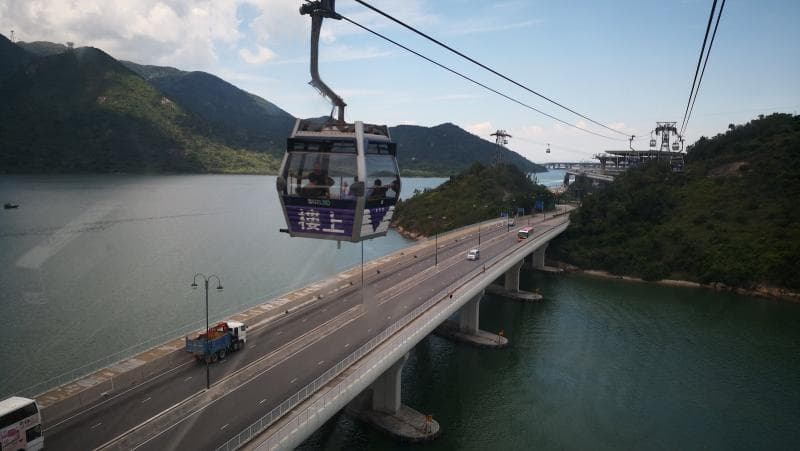
Explore Ngong Ping 360 and the majestic Big Buddha in Hong Kong, China. Discover cultural history, panoramic cable car views, and spiritual tranquility.
Overview
Perched majestically on Lantau Island in Hong Kong, the Ngong Ping 360 cable car journey culminates in an encounter with one of the world's most significant Buddhist landmarks: the Tian Tan Buddha, affectionately known as the Big Buddha. This iconic destination offers a unique blend of breathtaking natural scenery, profound cultural heritage, and spiritual tranquility, making it a must-visit for any curious traveler. The experience begins with a spectacular 5.7-kilometer cable car ride, providing panoramic vistas that stretch from the bustling Tung Chung Bay to the verdant slopes of North Lantau Country Park, the vast South China Sea, and even glimpses of the Hong Kong International Airport.
Upon reaching Ngong Ping Village, travelers step into a cultural hub designed with traditional Chinese architectural styles, serving as the gateway to the sacred sites. From here, a short walk leads to the awe-inspiring Big Buddha and the serene Po Lin Monastery, creating an immersive journey into Hong Kong's spiritual heartland.
History & Cultural Background
The history of this spiritual enclave is deeply intertwined with Buddhism's enduring presence in Hong Kong. The Po Lin Monastery, originally founded in 1906 by three monks from Jiangsu Province, was initially known simply as 'The Big Hut' (Da Mao Peng). It officially adopted the name Po Lin Monastery, meaning 'Precious Lotus Monastery', in 1924, signifying its growth into a significant center for Chan Buddhism.
The vision for the Tian Tan Buddha statue began to materialize in the late 1980s, aiming to create a monumental symbol of stability and prosperity for Hong Kong and China. Constructed over 12 years and completed in 1993, the Big Buddha stands as a testament to faith and craftsmanship. Its name, 'Tian Tan Buddha', derives from its base, which is a three-level granite structure modeled after the Temple of Heaven (Tian Tan) in Beijing, establishing a symbolic link to the capital. The construction of Ngong Ping 360, a modern cable car system, was later introduced to improve access to these revered sites, transforming the remote plateau into an easily accessible cultural and tourist attraction.
What Makes It Special
The Ngong Ping 360 and Big Buddha experience is truly special for several reasons. Foremost is the journey itself aboard the cable car, acclaimed as one of the world's best. The 25-minute aerial traverse offers uninterrupted 360-degree views that dramatically shift from urban landscapes to untamed nature, making the ride an attraction in its own right. Choosing a Crystal Cabin, with its glass bottom, enhances this sensation, providing an unparalleled perspective of the lush mountains and sparkling waters below.
The Tian Tan Buddha, standing at 34 meters tall and cast from 250 tonnes of bronze, is a magnificent sight. It holds the distinction of being one of the largest outdoor seated bronze Buddha statues globally. Its serene presence atop Mount Muk Yue, overlooking the Po Lin Monastery, inspires a sense of profound peace. Visitors climb 268 steps to reach its base, where they can marvel at its intricate details and absorb the panoramic views of Lantau Island and the South China Sea.
Adjacent to the Big Buddha, Po Lin Monastery captivates with its ornate halls, ancient scriptures, and the Grand Hall of Ten Thousand Buddhas, housing countless meticulously crafted statues. The combined spiritual gravitas of the Buddha and the Monastery, set against Lantau's natural beauty, creates an atmosphere of contemplation and wonder.
Stories, Fun Facts & Local Details
The Big Buddha is rich with symbolism. Its right hand is raised in the 'abhaya mudra', a gesture signifying the removal of affliction and imparting fearlessness, while the left hand, resting on its lap, is in the 'fulfilling wishes mudra', symbolizing the granting of blessings and happiness. Many believe the statue embodies the harmonious relationship between humanity, nature, and faith.
Around the Big Buddha's pedestal are six smaller bronze statues known as 'The Offering of the Six Devas'. These figures present symbolic offerings of flowers, incense, lamp, ointment, fruit, and music, representing the Six Perfections: generosity, morality, patience, zeal, meditation, and wisdom—qualities essential for enlightenment in Buddhist teachings. The path leading up to the Buddha is also flanked by statues of the Twelve Divine Generals, each symbolizing an animal from the Chinese Zodiac and representing two hours of the day, collectively encompassing a full 24-hour cycle.
Inside the three-storey exhibition hall within the Buddha's pedestal, visitors can find invaluable Buddhist items, including what is believed to be a relic containing the cremated remains of the Buddha. For those seeking deeper spiritual immersion, Po Lin Monastery, often called the 'Buddhist Kingdom in the South', offers meditation retreats and hosts events like the Lotus Festival, providing opportunities for mindfulness practices.
Visitor Perspective
Visiting Ngong Ping 360 and the Big Buddha is an experience that caters to both the spiritual seeker and the casual sightseer. The journey itself, gliding silently over mountainous terrain, provides a sense of escape from the city's hustle. The transition from the urban edge of Tung Chung to the tranquil highlands of Ngong Ping is a stark yet refreshing contrast, allowing visitors to feel truly immersed in the landscape.
Upon arrival, the tranquil Ngong Ping Village offers a gentle introduction with its cultural performances, shops, and dining options, including the chance to savor delicious vegetarian cuisine at the Po Lin Monastery's renowned restaurant. While the climb of 268 steps to the Buddha's base is a rewarding physical and spiritual endeavor, an accessible ramp ensures that everyone can approach this monumental statue. The reward is not just the close-up view of the Buddha but also the expansive panoramas of Lantau Island. This destination provides a rare opportunity to connect with Hong Kong's rich cultural tapestry and serene natural beauty, offering moments of quiet reflection and stunning photographic memories.
Coordinates: 113.905144, 22.254106
View on Google Maps💬 How Travelers Describe This Place
Based on community votes
Beautiful
826Must See
387Unique
242Photogenic
125Interesting
82
Traveler Stories
Discover memorable experiences shared by travelers who have visited this place.
No traveler stories yet.
Be the first traveler to share what made this place memorable.
Things to see at Ngong Ping 360 & Big Buddha



Tour
By
Spot
Discover amazing places around the world. Your journey starts here.
Explore
© 2026 TourBySpot. All rights reserved.