Ngong Ping Village
Hong Kong, China
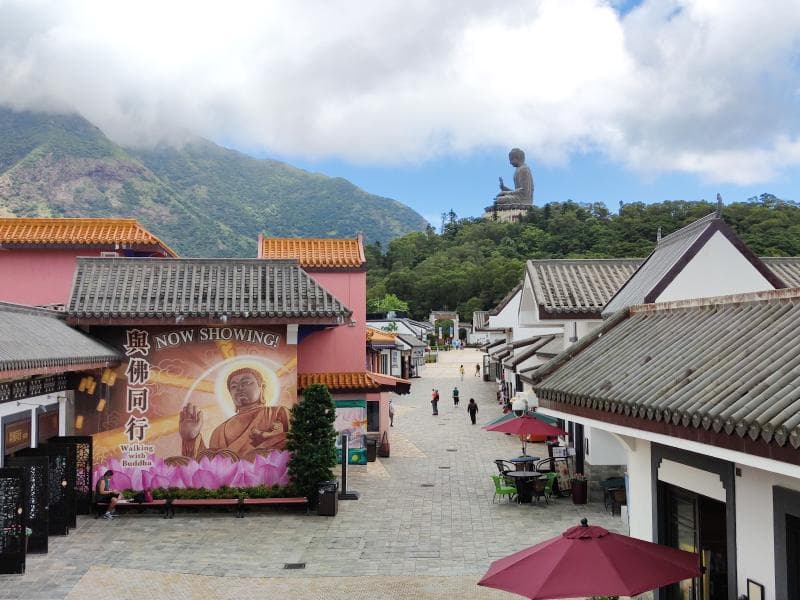
Explore Ngong Ping Village in Hong Kong, China. Discover traditional Chinese architecture, spiritual sites like the Big Buddha, and cultural experiences on Lantau Island.
Overview
Nestled amidst the serene, emerald hills of Lantau Island in Hong Kong, Ngong Ping Village offers a captivating blend of cultural heritage and tranquil natural beauty. This culturally themed village serves as a gateway to some of Hong Kong's most revered spiritual sites, including the majestic Tian Tan Buddha, often referred to as the Big Buddha, and the Po Lin Monastery. Designed with traditional Chinese architectural elements, the village provides a unique immersive experience for visitors seeking a respite from the urban bustle of Hong Kong. It is a one-stop destination for exploring a rich tapestry of history, spirituality, and local customs.
The village, covering an area of approximately 1.5 hectares, seamlessly integrates its cultural offerings with the stunning surrounding landscape. Most visitors embark on a picturesque journey via the Ngong Ping 360 cable car, which offers breathtaking panoramic views of Lantau Island's mountainous terrain and the South China Sea, culminating at the village's doorstep.
History & Cultural Background
Ngong Ping Village itself is a relatively modern development, constructed in the early 2000s as part of a larger tourism project. Its purpose was to enhance the visitor experience to the pre-existing, iconic attractions of the Tian Tan Buddha and Po Lin Monastery.
Before the establishment of Ngong Ping Village and the Ngong Ping 360 cable car, access to these spiritual landmarks was primarily via a mountain road and bus service. The cable car project, known initially as the Tung Chung Cable Car Project before being branded Ngong Ping 360 in 2005, aimed to improve accessibility and tourism.
The design of Ngong Ping Village draws inspiration from traditional Chinese architectural styles, creating an atmosphere that complements the ancient Buddhist sites nearby. While the village is a contemporary creation, it effectively evokes a sense of historical and cultural continuity, framing the spiritual journey to the Big Buddha and Po Lin Monastery. The Po Lin Monastery, founded in 1906, is a beacon of Buddhist practice, featuring temples and halls with designs inspired by Song, Ming, and Qing dynasty architecture.
What Makes It Special
Ngong Ping Village's special appeal lies in its harmonious blend of cultural immersion and natural splendor. The village acts as a cultural corridor, linking the cable car terminal to the profound spiritual sites of the Big Buddha and Po Lin Monastery. Within the village, visitors can explore a variety of themed attractions.
One such attraction is 'Walking with Buddha,' a multimedia experience that guides visitors through the life stages of Siddhartha Gautama, providing insights into the origins of Buddhism. The 'Monkey's Tale Theatre' also offers theatrical performances that delve into Buddhist stories. For a more interactive experience, 'Motion 360,' a 5D motion theatre, allows visitors to experience Lantau from a new perspective.
Beyond these attractions, the village features traditional tea houses where visitors can partake in an authentic Chinese tea ceremony, including the renowned artistic flower tea. Numerous shops offer unique handicrafts, souvenirs, and local delicacies, providing a taste of Hong Kong's cultural craftsmanship.
Stories, Fun Facts & Local Details
The entire Ngong Ping area is steeped in stories and cultural significance. The Tian Tan Buddha, standing at 34 meters tall, is one of the world's largest outdoor seated Buddha statues. It faces north towards Beijing, symbolizing peace and stability for China.
A touching tradition observed in the village involves the Bodhi Tree, where visitors can hang wish cards from its branches, believing their hopes will be granted. The Po Lin Monastery, with its rich history and stunning architecture, offers a chance to experience the serene atmosphere of a working Buddhist institution. Visitors can often enjoy a vegetarian lunch at the monastery, prepared with local ingredients.
The Ngong Ping 360 cable car ride itself is an experience. Spanning 5.7 kilometers, it offers sweeping views that include the Hong Kong International Airport and, on clear days, even the Hong Kong–Zhuhai–Macao Bridge. Choosing a Crystal Cabin with its glass bottom provides a 'bird's eye view' of the scenery directly beneath one's feet, adding an extra layer of thrill to the journey.
Visitor Perspective
Arriving at Ngong Ping Village, travelers often feel a sense of immediate calm, a distinct contrast to the vibrant energy of downtown Hong Kong. The journey on the Ngong Ping 360 cable car sets the tone, transforming the scenic ride into a meditative ascent towards the tranquil plateau.
Walking through the village, one encounters a thoughtfully designed space where traditional aesthetics meet modern visitor amenities. The blend of cultural exhibits, local eateries offering both authentic Chinese cuisine and international options, and souvenir shops, allows for a relaxed exploration. The village serves as a perfect base for onward journeys to the Big Buddha and Po Lin Monastery, inviting visitors to pause, reflect, and absorb the spiritual ambiance of the surroundings. It's a place where cultural learning and natural beauty converge, creating a memorable and enriching travel experience.
Coordinates: 113.9016, 22.2565
View on Google Maps💬 How Travelers Describe This Place
Based on community votes
Photogenic
872Interesting
846Must See
201Beautiful
121Unique
87
Traveler Stories
Discover memorable experiences shared by travelers who have visited this place.
No traveler stories yet.
Be the first traveler to share what made this place memorable.

Tour
By
Spot
Discover amazing places around the world. Your journey starts here.
Explore
© 2026 TourBySpot. All rights reserved.