Musée Marc Chagall
Nice, France
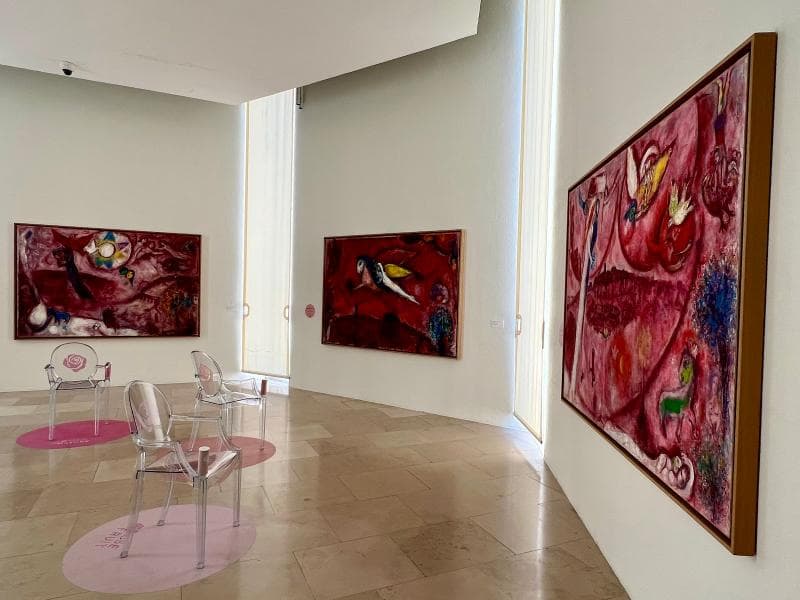
Explore the Musée Marc Chagall in Nice, France, home to the magnificent 'Biblical Message' cycle and a vast collection of the artist's work.
Overview
Nestled in the picturesque hills of Nice, France, the Musée Marc Chagall stands as a testament to the profound spiritual and artistic vision of Marc Chagall, one of the 20th century's most celebrated artists. This unique national museum is entirely dedicated to his work, primarily housing the magnificent 'Biblical Message' cycle. Inaugurated in 1973 during the artist's lifetime, the museum itself was conceived and shaped with Chagall's direct involvement, making it a deeply personal and immersive experience. Visitors are invited into a serene space where art, spirituality, and nature converge, offering a tranquil escape from the bustling Riviera life. The museum's collection extends beyond the monumental biblical canvases, encompassing a rich array of his works, from vibrant gouaches and stained glass to intricate sculptures and ceramics, all reflecting Chagall's distinctive use of color and symbolic imagery.
History & Cultural Background
The genesis of the Musée Marc Chagall dates back to 1969 when André Malraux, then France's Minister of Culture, decided to create a dedicated home for Chagall's 'Biblical Message' series. This pivotal decision followed Chagall's generous donation of these seventeen monumental paintings to the French state in 1966. Construction commenced in 1970 on land gifted by the City of Nice. Marc Chagall himself was intimately involved in the project, collaborating closely with architect André Hermant. Chagall's vision was for more than just a gallery; he wanted a 'home' – a spiritual abode for his biblical works. His influence extended to requesting an auditorium, designing stained glass windows, and even overseeing the layout of the Mediterranean garden surrounding the modernist building. The museum officially opened its doors on July 7, 1973, coincidentally Chagall's 86th birthday, a rare occasion for a national museum to be inaugurated with the living artist present. Initially known as the 'Musée National Message Biblique Marc Chagall,' its name was later shortened in 2008 to 'Musée National Marc Chagall' to reflect the expansion and diversification of its collections beyond the initial biblical cycle.
What Makes It Special
What truly sets the Musée Marc Chagall apart is its profound connection to the artist's personal vision and spiritual journey. It was the first national museum in France devoted to a living artist, a testament to Chagall's monumental stature and influence. The museum's core, the 'Biblical Message' series, comprises seventeen colossal canvases illustrating the books of Genesis, Exodus, and the Song of Songs. Chagall considered these not merely religious depictions but a universal message of peace, love, and humanity. He meticulously arranged the display of these works, intending for them to be viewed in a specific order that tells a narrative, despite not always following strict biblical chronology. The architectural design by André Hermant, a former collaborator of Le Corbusier, is understated and functional, specifically crafted to highlight the vibrant colors and spiritual depth of Chagall's art. The building's sober lines and thoughtful use of natural light ensure that the artwork remains the undisputed focus. Chagall's personal touches are evident throughout, from the monumental mosaic he created for the exterior pond to the stained glass windows in the concert hall, making the entire museum a cohesive work of art. The tranquil Mediterranean garden, also designed with Chagall's input, features indigenous plants and offers a contemplative space, enhancing the overall spiritual experience.
Stories, Fun Facts & Local Details
Marc Chagall, a Russian-French artist of Jewish heritage, drew deeply from his personal history and spirituality, infusing his works with rich symbolism, vibrant colors, and a distinctive dream-like quality. He once famously remarked, 'If I create from the heart, everything works; if from the head, almost nothing,' a philosophy palpably present in the emotionally charged canvases at the museum. A fascinating detail is Chagall's active role in the museum's creation, curating the exact placement for each painting and contributing directly to its artistic elements. For instance, he designed the stunning blue stained-glass windows in the concert hall, depicting the Creation of the World, and created a striking mosaic of the Prophet Elijah for the exterior. The museum's garden features a reflective pool that mirrors this mosaic, creating a dynamic interplay between art, architecture, and nature. This thoughtful integration of elements makes the museum feel less like a traditional gallery and more like a carefully orchestrated dialogue between the artist's soul and the visitor. Chagall lived nearby in Saint-Paul-de-Vence for many years, further cementing his connection to the French Riviera and this particular museum.
Visitor Perspective
Visiting the Musée Marc Chagall is an immersive journey into the artist's vibrant inner world. The museum provides an intimate setting to experience the sheer scale and emotional power of the 'Biblical Message' series, where each painting reveals layers of storytelling and symbolism. Beyond the main cycle, the museum houses nearly a thousand works, offering a comprehensive look at Chagall's diverse techniques, including drawings, lithographs, ceramics, and tapestries. The thoughtful layout and ample natural light enhance the viewing experience, allowing visitors to appreciate the subtleties of his color palette. The museum is generally open every day except Tuesdays, and on major holidays like January 1st, May 1st, and December 25th. Operating hours vary seasonally, with longer hours in summer. For those seeking a deeper connection, free entry is often available on the first Sunday of each month, providing an excellent opportunity to explore without cost. Located on Avenue Docteur Ménard, the museum is easily accessible from central Nice, often reachable by local bus routes or a pleasant walk from the city center for those who enjoy exploring on foot. Ample parking is also available. The serene Mediterranean garden offers a peaceful respite, perfect for quiet contemplation before or after immersing oneself in Chagall's masterpieces.
Coordinates: 7.269527, 43.709136
View on Google Maps💬 How Travelers Describe This Place
Based on community votes
Beautiful
995Interesting
839Must See
603Unique
388Photogenic
289
Traveler Stories
Discover memorable experiences shared by travelers who have visited this place.
No traveler stories yet.
Be the first traveler to share what made this place memorable.
Things to see at Musée Marc Chagall



Tour
By
Spot
Discover amazing places around the world. Your journey starts here.
Explore
© 2026 TourBySpot. All rights reserved.