Stained Glass Gallery
Nice, France
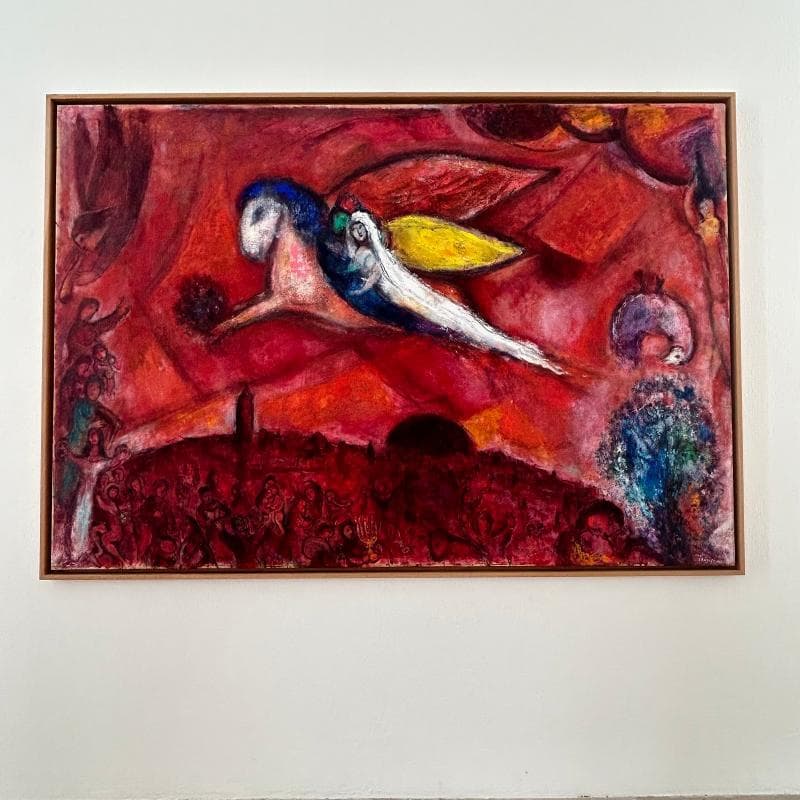
Explore the vibrant Stained Glass Gallery within the Musée Marc Chagall in Nice, France, featuring Marc Chagall's 'The Creation of the World'.
Overview
Nestled within the serene Mediterranean gardens of Nice, France, the Musée Marc Chagall offers a unique and intimate encounter with the visionary artist's spiritual world. While renowned for its monumental series of 17 paintings known as the 'Biblical Message', a captivating sub-spot that often leaves a lasting impression is the Stained Glass Gallery, housed within the museum's concert hall. These vibrant windows are not merely decorative; they are a profound expression of Chagall's artistic and spiritual philosophy, filtering light and color to create an immersive experience. Stepping into this space, visitors are enveloped in a kaleidoscope of hues, where light transforms the narrative, inviting contemplation and wonder. It's a testament to Chagall's mastery across various mediums, showcasing his ability to infuse glass with the same poetic and deeply personal storytelling found in his canvases.
History & Cultural Background
The Musée Marc Chagall itself holds a special place in art history as it was conceived and inaugurated by the artist Marc Chagall on his 86th birthday, on July 7, 1973, making it one of the few museums opened by a living artist in France. Chagall was intimately involved in every aspect of the museum's design and arrangement, ensuring that his works were presented precisely as he intended. The museum's core collection, the 'Biblical Message', was initially intended to decorate a chapel in Vence, near Nice, where Chagall lived for many years. This deeply spiritual connection to the region and its artistic output extends directly to the stained glass windows. Chagall's foray into stained glass began later in his career, in his 70s, and he found in this medium a powerful way to express monumental color and light. He viewed stained glass not just as an art form, but as 'the transparent partition my heart and the heart of the world', requiring 'gravity, passion' and living 'through the light perceived'.
What Makes It Special
The stained glass windows in the Musée Marc Chagall's concert hall are truly special for several reasons. Primarily, they depict 'The Creation of the World', a profound theme central to Chagall's lifelong exploration of biblical narratives and universal human experience. These three large panels are a symphony of blues and greens, creating an ethereal atmosphere that bathes the room in a captivating glow, especially on a sunny day. Chagall's distinctive artistic language, characterized by its dreamlike imagery, rich symbolism, and vibrant palette, translates exceptionally well into stained glass. He collaborated with master glassmaker Charles Marq at the Jacques Simon Workshop in Reims, employing traditional techniques while infusing them with his unique vision. A particular technique involved applying 'grisaille' to the glass, allowing Chagall to add depth and make the material vibrate with light, further enhancing the emotional impact of his designs. These windows are an integral part of the museum's immersive experience, designed by Chagall himself to complement the 'Biblical Message' paintings, creating a cohesive spiritual journey for the visitor.
Stories, Fun Facts & Local Details
Marc Chagall's connection to the French Riviera ran deep. He settled in the region in 1949 and lived in Vence, not far from Nice, for many years. This Mediterranean light and landscape undoubtedly influenced his later works, including his stained glass. A lesser-known detail is Chagall's direct involvement in the precise placement of his works within the museum, ensuring that even the flow of the exhibition reflected his intentions. The stained glass in the concert hall is particularly captivating because it can sometimes be seen in conjunction with screenings of documentaries about the artist's life, adding another layer to the visitor's understanding. While the museum is dedicated to the 'Biblical Message', Chagall also created many other stained glass installations around the world, including the famous windows for Reims Cathedral and the Hadassah Medical Center in Jerusalem, demonstrating his profound affinity for this luminous art form. The Nice museum's windows offer a glimpse into this significant aspect of his broader artistic legacy.
Visitor Perspective
Visiting the Stained Glass Gallery in the Musée Marc Chagall is an experience that often evokes a sense of peace and awe. The play of natural light through Chagall's vibrant glass creates a dynamic artwork that changes with the time of day and weather, offering a subtly different experience with each visit. Many visitors describe feeling enveloped in the warm, spiritual glow emanating from the blues and greens of 'The Creation of the World'. The concert hall, where these windows reside, serves not only as a display area but also as a space for reflection, often accompanied by the subtle murmurs of fellow admirers. It provides a moment of calm contemplation amidst the powerful narratives of the 'Biblical Message' paintings elsewhere in the museum. To fully appreciate the stained glass, it's recommended to take your time, allowing the colors and the light to wash over you, much like Chagall himself intended for this deeply spiritual and visually stunning medium.
Coordinates: 7.269527, 43.709136
View on Google Maps💬 How Travelers Describe This Place
Based on community votes
Photogenic
950Beautiful
929Interesting
858Must See
730Unique
275
Traveler Stories
Discover memorable experiences shared by travelers who have visited this place.
No traveler stories yet.
Be the first traveler to share what made this place memorable.

Tour
By
Spot
Discover amazing places around the world. Your journey starts here.
Explore
© 2026 TourBySpot. All rights reserved.