Mount Thawr
Mecca, Saudi Arabia
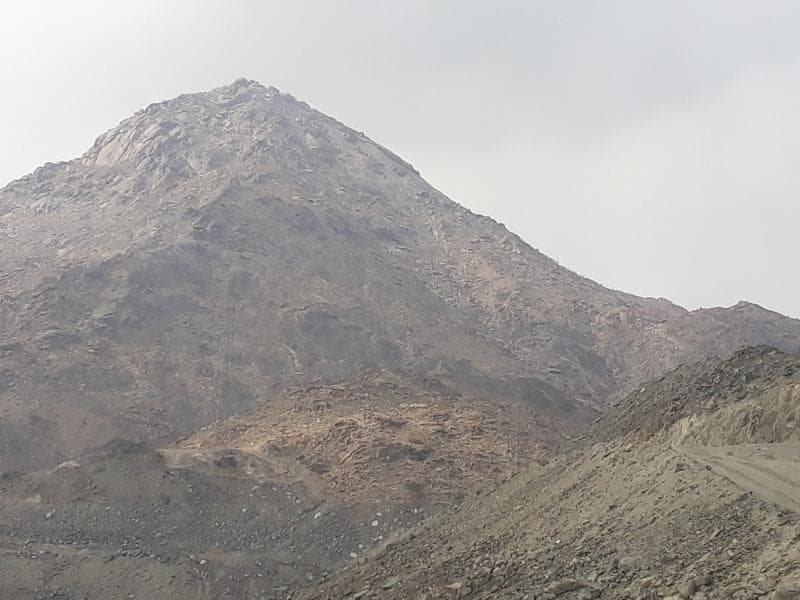
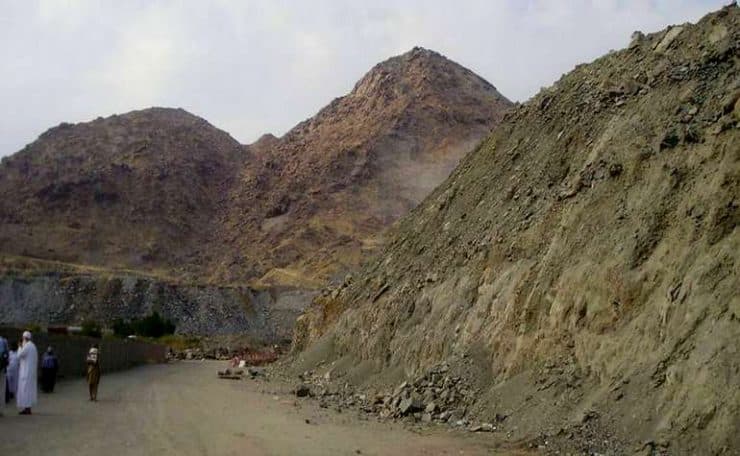
Discover Mount Thawr in Mecca, Saudi Arabia, the historic refuge of Prophet Muhammad during the Hijrah. Explore its spiritual significance and the Cave of Thawr.
Overview
Mount Thawr, also known as Jabal Thawr, is a rugged mountain located just south of Mecca, Saudi Arabia. Standing approximately 750 to 760 meters (about 2,460 to 2,490 feet) above sea level, it is a significant landmark in the Hejaz Mountain range. Its primary claim to fame is the small, unassuming Cave of Thawr (Ghar Thawr) nestled near its summit. This cave holds immense religious and historical importance in Islam, as it served as a pivotal refuge during a critical juncture in the religion's early days.
History & Cultural Background
The story of Mount Thawr is inextricably linked to the Hijrah, the migration of Prophet Muhammad (peace be upon him) and his companion Abu Bakr (may Allah be pleased with him) from Mecca to Medina. In 622 CE, facing persecution and a plot against his life by the Quraysh, Prophet Muhammad received divine instruction to leave Mecca. Together with Abu Bakr, he sought refuge in the Cave of Thawr for three days and three nights, strategically avoiding their pursuers before continuing their journey.
This escape and subsequent migration marked a profound turning point in Islamic history, laying the foundation for the establishment of the Muslim community in Medina and signifying the beginning of the Islamic calendar. The events at Mount Thawr highlight the immense challenges faced by the early Muslims and the unwavering faith of the Prophet and his companion.
What Makes It Special
Mount Thawr is not merely a geological formation; it is a powerful symbol of divine protection, courage, and absolute trust in Allah (Tawakkul). The most extraordinary aspect of its story is the miraculous intervention that shielded the Prophet and Abu Bakr from their enemies. As the Quraysh search parties approached the cave, Allah sent a spider to weave a web across the entrance and a pigeon to lay eggs near it. This led the pursuers to believe the cave was undisturbed and empty, thus overlooking the fugitives hiding within.
This miraculous event is subtly referenced in the Quran, in Surah At-Tawbah (9:40), emphasizing Allah's aid when all seemed lost. It serves as an enduring lesson that divine support can manifest in the most unexpected ways, transcending human planning and strength. The cave's modest interior, allowing just two people to sit, further underscores the profound intimacy of that moment of refuge and reliance on a higher power.
Stories, Fun Facts & Local Details
The tale of the spider and the pigeon is a cherished narrative taught to Muslim children worldwide, illustrating the depth of divine protection. Abu Bakr's devotion is also central to the story; tradition recounts that he entered the cave first to clear any potential dangers for the Prophet. During their three days of hiding, Abu Bakr's children, Asma and Abdullah, played crucial roles, bringing them food and intelligence about the Quraysh's movements.
While Mount Thawr is a significant pilgrimage site, it tends to see fewer visitors compared to Jabal Al Nour (Mount of Light), where the Cave of Hira is located. This is partly due to its slightly greater distance from the Grand Mosque and the challenging ascent. However, ongoing developments, such as the Jabal Thawr Cultural District project, aim to enhance the visitor experience by providing cultural exhibits and improved facilities, narrating the Hijrah story with modern technology.
Visitor Perspective
Visiting Mount Thawr offers a deeply reflective and physically engaging experience. The climb to the Cave of Thawr is steep and rocky, typically taking between 1.5 to 2 hours, depending on one's fitness level. While challenging, many pilgrims find the arduous ascent a powerful act of devotion, connecting them to the Prophet's journey and sacrifices.
From the summit, visitors are rewarded with panoramic views of the surrounding mountainous landscape and parts of Mecca. Inside the small cave, the sense of history and spirituality is palpable. It's advisable to undertake the climb in the early morning or late afternoon to avoid the intense heat, and to carry sufficient water and wear sturdy, comfortable walking shoes. Even those who cannot make the full ascent can still visit the base of the mountain, contemplate its significance, and engage with the rich historical context provided by the new cultural initiatives.
Coordinates: 39.8508, 21.3775
View on Google Maps💬 How Travelers Describe This Place
Based on community votes
Must See
839Interesting
445Photogenic
416Beautiful
289Unique
141
Traveler Stories
Discover memorable experiences shared by travelers who have visited this place.
No traveler stories yet.
Be the first traveler to share what made this place memorable.
Things to see at Mount Thawr



Tour
By
Spot
Discover amazing places around the world. Your journey starts here.
Explore
© 2026 TourBySpot. All rights reserved.