Rock Formations
Mecca, Saudi Arabia
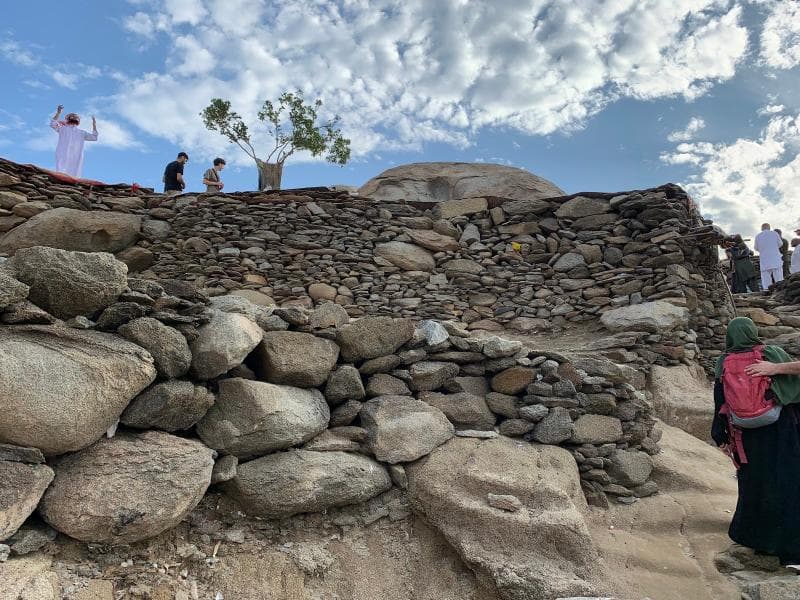
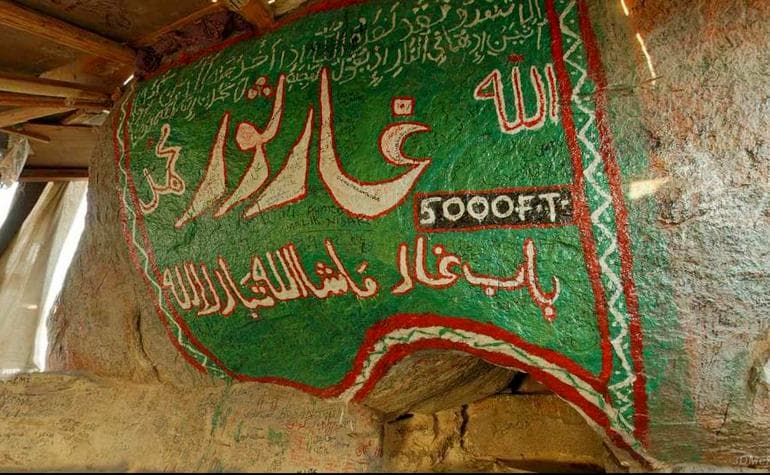
Explore the historic rock formations of Mount Thawr in Mecca, Saudi Arabia, home to the sacred Cave of Thawr where Prophet Muhammad found refuge.
Overview
Nestled in the rugged landscape south of Mecca, Saudi Arabia, Mount Thawr holds a profound significance in Islamic history. While the entire mountain is a geological marvel, it is particularly renowned for its distinctive rock formations, most notably the Cave of Thawr, known as Ghar Thawr. This site is not just a natural wonder; it is a sacred landmark that tells a story of courage, faith, and divine protection at a pivotal moment in early Islam. Rising approximately 750-760 meters above sea level, Mount Thawr is a part of the larger Hijaz Mountains, characterized by its steep, rocky terrain and barren surfaces interspersed with sparse vegetation.
The mountain itself is composed of ancient granitic and basalt rocks, testament to millions of years of geological forces that have shaped the Arabian Peninsula. For pilgrims and curious travelers alike, a visit to Mount Thawr offers a unique opportunity to connect with a deeply spiritual past and witness the raw beauty of nature's artistry. The journey to the Cave of Thawr, located near its summit, is a physical and spiritual ascent, inviting reflection on the events that unfolded within its rocky embrace.
History & Cultural Background
The historical and cultural importance of Mount Thawr is inextricably linked to the Hijrah, the migration of Prophet Muhammad (peace be upon him) and his companion Abu Bakr (may Allah be pleased with him) from Mecca to Medina. This momentous event, which occurred in 622 CE, marks the beginning of the Islamic calendar and signifies a turning point in Islamic history.
According to Islamic tradition, as the Prophet Muhammad and Abu Bakr sought to evade the persecution of the Quraysh tribe in Mecca, they took refuge in the Cave of Thawr for three days and three nights. The decision to hide in a cave south of Mecca, rather than directly north towards Medina, was a strategic move to mislead their pursuers. During their time in the cave, they were sustained by food and news brought by Abu Bakr's children, Asma and Abdullah. This period of refuge was fraught with danger, as the Quraysh launched extensive search parties, even offering a reward for their capture.
The story of their concealment in the cave has become a profound symbol of divine intervention and trust in Allah. It is believed that a miraculous series of events, including a spider weaving a web across the cave's entrance and a dove nesting and laying eggs at its mouth, made it appear as though the cave was undisturbed, thus deterring the pursuers. This narrative is deeply ingrained in the hearts of Muslims worldwide, highlighting themes of faith, sacrifice, and companionship.
What Makes It Special
The rock formations of Mount Thawr, particularly the Cave of Thawr, are special due to their geological antiquity and their profound religious narrative. Formed over 500-600 million years ago from granitic and basalt rocks, the mountain stands as a silent witness to geological time, offering a glimpse into the Earth's ancient past. Its rugged, steep slopes and prominent rocky outcrops create a dramatic landscape that contrasts with the spiritual tranquility found within the cave.
The Cave of Thawr itself, a natural hollow in the rock resembling an upside-down boat, is modest in size but immense in historical weight. Its narrow western entrance and slightly wider eastern opening once provided shelter to two of the most significant figures in Islamic history. The physical challenge of ascending to the cave, coupled with the panoramic views of Mecca and the surrounding desert from its summit, transforms a simple hike into an immersive journey through faith and history.
Stories, Fun Facts & Local Details
The most enduring story associated with the rock formations of Mount Thawr is, of course, the tale of the spider and the dove. This widely recounted miracle emphasizes the power of faith and divine protection. It tells of how, as Quraysh trackers reached the mouth of the cave, they saw the freshly spun spider web and the dove's nest, convincing them that no one could have entered, and so they passed by without discovering the Prophet and Abu Bakr. This story serves as a constant reminder of Allah's watchfulness and the Prophet's unwavering trust during moments of extreme peril.
Another fascinating detail is Abu Bakr's devotion. It is said that upon entering the cave, he went in first to check for any dangers and even used pieces of his own clothing to block small holes to protect the Prophet, reportedly getting stung by a scorpion or snake but bearing the pain silently to avoid disturbing the resting Prophet. The mountain's name, 'Thawr,' meaning 'bull,' is believed by some to be a reference to its shape, like a bull heading south of Mecca.
Visitor Perspective
Visiting Mount Thawr offers a unique and deeply personal experience for pilgrims and travelers. The climb to the Cave of Thawr, though physically demanding with steep and rocky paths, is considered a journey of reflection and spiritual connection. It typically takes between 1.5 to 3 hours to reach the summit, depending on one's fitness level. Many visitors choose to make the ascent in the early morning or late afternoon to avoid the intense daytime heat and enjoy cooler temperatures.
At the base of the mountain, visitors can find facilities and visitor centers designed to assist with their journey and provide more context about the site's significance. While not an obligatory rite of Hajj or Umrah, many Muslims choose to visit Mount Thawr to honor the Prophet's sacrifice and reflect on the lessons of faith, patience, and reliance on Allah. Standing at the cave, where such momentous events transpired, pilgrims often describe a sense of humility and renewed faith, making the challenging climb a truly rewarding spiritual endeavor.
Coordinates: 39.85, 21.377
View on Google Maps💬 How Travelers Describe This Place
Based on community votes
Photogenic
996Must See
953Beautiful
658Interesting
585Unique
69
Traveler Stories
Discover memorable experiences shared by travelers who have visited this place.
No traveler stories yet.
Be the first traveler to share what made this place memorable.

Tour
By
Spot
Discover amazing places around the world. Your journey starts here.
Explore
© 2026 TourBySpot. All rights reserved.