Summit
Mecca, Saudi Arabia
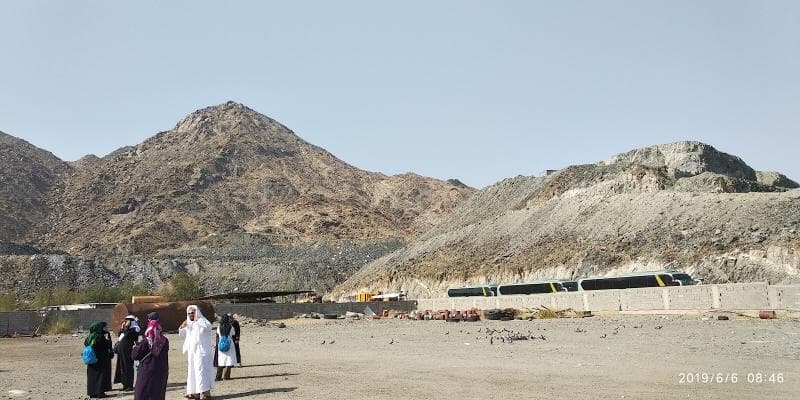
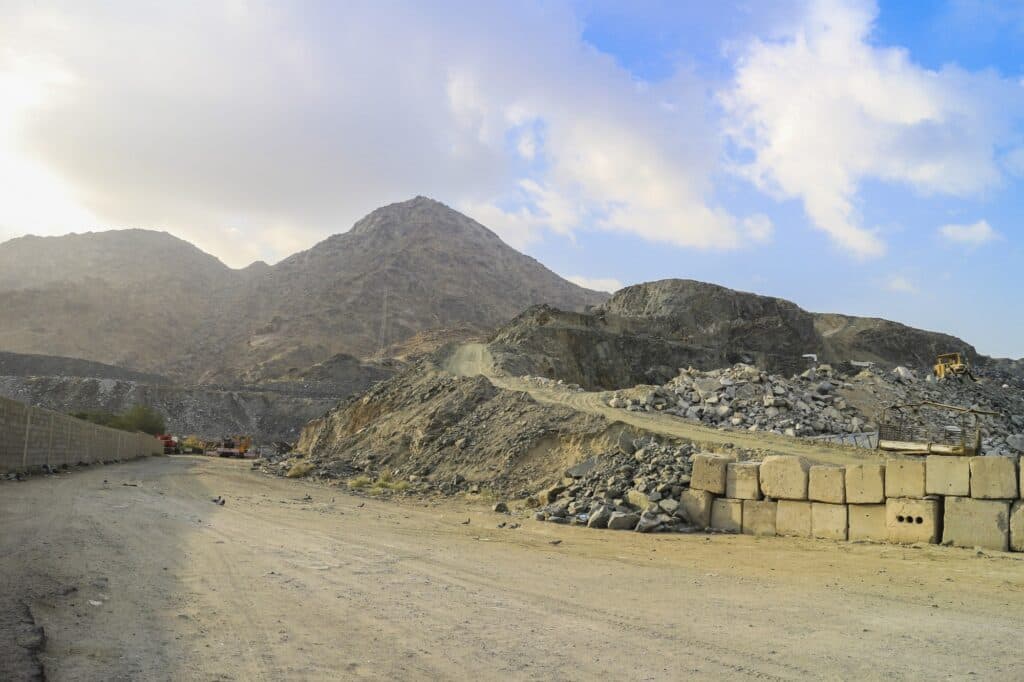
Explore Mount Thawr's summit in Mecca, Saudi Arabia, and the historic Cave of Thawr, a symbol of faith and divine protection during the Hijrah.
Overview
Perched majestically in the rugged landscape south of Mecca, Saudi Arabia, Mount Thawr, known in Arabic as Jabal Thawr, is a site of profound historical and spiritual significance. While the entire mountain holds importance, the 'Summit' refers specifically to the upper reaches where the famed Cave of Thawr, or Ghar al-Thawr, is nestled. This humble cave, located approximately 750-760 meters above sea level, became a sanctuary during one of Islam's most pivotal moments. It stands as a testament to faith, resilience, and divine protection, drawing pilgrims and history enthusiasts alike to reflect on the beginnings of a new era.
Mount Thawr is situated about 4 to 12 kilometers south of Masjid al-Haram, the Grand Mosque in Mecca. The ascent to the cave near its summit is a challenging journey, typically taking an hour and a half to two hours, depending on physical fitness. However, those who undertake the climb are rewarded not only with panoramic views of the surrounding area but also with a tangible connection to a defining chapter in Islamic history.
History & Cultural Background
The historical significance of Mount Thawr is inextricably linked to the Hijrah, the migration of Prophet Muhammad (PBUH) and his companion Abu Bakr (RA) from Mecca to Medina in 622 CE. This event marks the beginning of the Islamic calendar. Facing persecution and a plot by the Quraysh to assassinate him, Prophet Muhammad (PBUH) was divinely instructed to leave Mecca.
Instead of heading directly to Medina, Prophet Muhammad (PBUH) and Abu Bakr (RA) sought refuge in the Cave of Thawr. They remained hidden there for three days and three nights while the Quraysh intensified their search. The cave's strategic location, near the summit of the mountain, provided a temporary sanctuary from their pursuers who were scouring the region. This period of concealment was crucial, allowing the Prophet (PBUH) and Abu Bakr (RA) to evade capture and eventually continue their journey to establish the first Muslim community in Medina.
What Makes It Special
The Cave of Thawr is not merely a geological formation; it is a profound symbol of unwavering faith and divine intervention. What makes this site particularly special is the miraculous protection afforded to the Prophet (PBUH) and Abu Bakr (RA) during their stay. It is recounted that as the Quraysh search parties approached the cave's entrance, they found a spider's web spun across it and a pigeon's nest with eggs, leading them to believe that no one could have entered recently. This illusion deterred the pursuers, who then moved on, missing their quarry by mere feet.
This event is immortalized in the Quran, in Surah At-Tawbah (Chapter 9, Verse 40), which speaks of Allah's aid when 'he said to his companion, 'Do not grieve; indeed Allah is with us.' The narrative powerfully illustrates the concept of Tawakkul, or complete trust in Allah, even in the face of overwhelming odds. It highlights that divine support can manifest in the most unexpected ways, transforming a seemingly desperate situation into a testament of unwavering faith and hope.
Stories, Fun Facts & Local Details
The story of the Cave of Thawr is rich with emotional depth and inspiring details. Before entering the cave, Abu Bakr (RA), out of concern for the Prophet's safety, reportedly entered first to clear any potential dangers, even plugging holes with pieces of his clothing. One touching account describes how Abu Bakr (RA) was stung by a creature while in the cave but remained motionless, fearing he might disturb the Prophet (PBUH) who was resting on his lap. Tears welled up in his eyes and fell onto the Prophet's (PBUH) face, waking him. The Prophet (PBUH) then applied his saliva to the injury, and the pain subsided.
During their three days in hiding, Abu Bakr's (RA) son, Abdullah, would visit at night to deliver news from Mecca, returning before dawn to avoid suspicion. Abu Bakr's (RA) daughter, Asma, would bring them food and supplies. Furthermore, Abu Bakr's (RA) freed slave, Amir bin Fuhayra, would graze his goats near the cave to provide fresh milk and then lead them back over the same path as Abdullah, erasing their footprints to further conceal their presence. The name 'Thawr' itself means 'bull' in Arabic, a local naming tradition for mountains in the region.
Visitor Perspective
For pilgrims undertaking the spiritual journey of Umrah or Hajj, visiting Mount Thawr offers a powerful, immersive experience. The challenging climb, with its rocky and often steep paths, is seen by many as an act of devotion, echoing the hardship and perseverance of the early Muslims. It provides an opportunity for deep reflection on the sacrifices made and the profound faith demonstrated during the Hijrah.
While the cave itself is modest in size, capable of accommodating only a few people at a time, its spiritual grandeur is immense. At the base of Jabal Thawr, visitor orientation centers have been established to assist and guide pilgrims, providing insights into the mountain's history and significance. The best times to undertake the climb are early morning or just before sunset to avoid the intense heat of the day and to enjoy the serene views comfortably. Despite the physical demands, the journey to the summit of Mount Thawr and the Cave of Thawr offers an unparalleled connection to a pivotal moment that shaped the course of Islamic history.
Coordinates: 39.85083, 21.3775
View on Google Maps💬 How Travelers Describe This Place
Based on community votes
Must See
998Unique
903Beautiful
481Interesting
458Photogenic
197
Traveler Stories
Discover memorable experiences shared by travelers who have visited this place.
No traveler stories yet.
Be the first traveler to share what made this place memorable.

Tour
By
Spot
Discover amazing places around the world. Your journey starts here.
Explore
© 2026 TourBySpot. All rights reserved.