Cave of Thawr
Mecca, Saudi Arabia
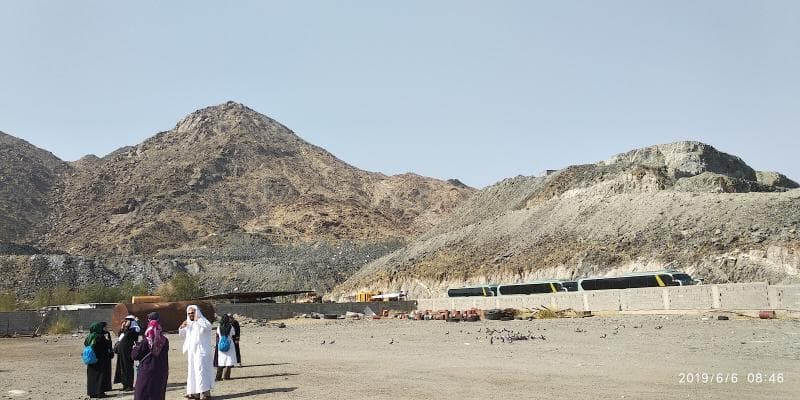
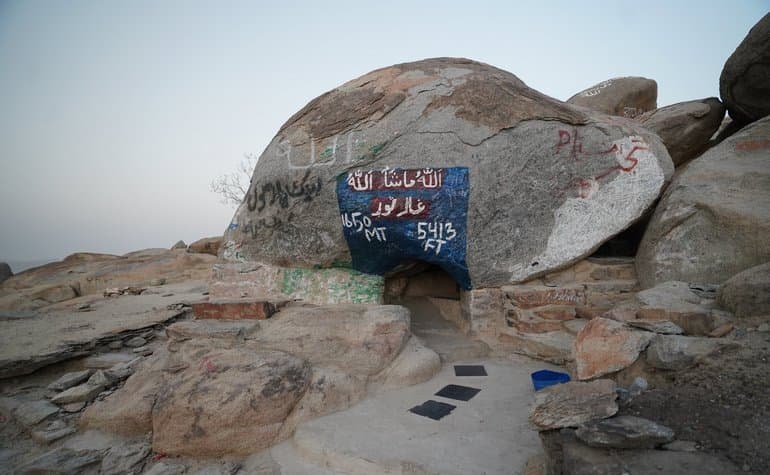
Discover the Cave of Thawr in Mecca, Saudi Arabia – a sacred site where Prophet Muhammad (PBUH) sought refuge during the Hijrah, symbolizing divine protection and unwavering faith.
Overview
Nestled within the rugged landscape of Mount Thawr, just south of the sacred city of Mecca in Saudi Arabia, lies the historic Cave of Thawr (Ghar Thawr). This natural hollow in the rock holds profound significance in Islamic history, serving as a silent witness to a pivotal moment during the early days of Islam. The mountain itself, Jabal Thawr, rises to an elevation of approximately 750 meters (2,460 feet) and is part of the low rocky hills surrounding Mecca. The cave, situated near the summit, is not merely a geological feature but a site of deep spiritual reflection and remembrance for Muslims worldwide.
While not a mandatory ritual of the Hajj or Umrah pilgrimages, visiting the Cave of Thawr offers a unique opportunity to connect with the past and reflect on the sacrifices and unwavering faith demonstrated there. The journey to the cave involves a challenging climb, rewarding those who undertake it with panoramic views and a tangible link to a defining chapter of Islamic history.
History & Cultural Background
The Cave of Thawr's prominence stems from its role in the Hijrah, the migration of Prophet Muhammad (peace be upon him) and his close companion Abu Bakr al-Siddiq (may Allah be pleased with him) from Mecca to Medina in 622 CE. Facing persecution and an assassination plot from the Quraysh leaders in Mecca, the Prophet Muhammad (PBUH) strategically chose to head south, contrary to the expected northern route towards Medina, and sought refuge in this cave.
For three days and three nights, Prophet Muhammad (PBUH) and Abu Bakr (RA) remained concealed within the cave, awaiting a safe passage to continue their journey. During this tense period, the Quraysh launched extensive search parties, offering a substantial bounty for their capture. This period of hiding was critical, allowing the immediate threat to subside and laying the groundwork for the establishment of the first Islamic state in Medina.
What Makes It Special
The Cave of Thawr is renowned for the divine intervention that protected Prophet Muhammad (PBUH) and Abu Bakr (RA) from their pursuers. As the Quraysh search parties approached the cave entrance, they were reportedly deterred by what appeared to be an undisturbed scene. Tradition recounts that a spider had spun a fresh web across the mouth of the cave, and a pigeon had laid eggs in a nest nearby.
These natural elements created a powerful illusion, leading the pursuers to believe that no one could have entered the cave recently without disturbing the delicate web or the pigeon's nest. This miraculous protection is often cited as a profound example of God's power and care, even against overwhelming odds. The Quran itself alludes to this event in Surah At-Tawbah (9:40), emphasizing that Allah was with them: 'Do not grieve; indeed Allah is with us.' The cave symbolizes unwavering faith, profound trust in divine protection, and the strength found in true companionship.
Stories, Fun Facts & Local Details
Beyond the famed spider and pigeon, the story of the Cave of Thawr is rich with human courage and devotion. Abu Bakr's son, Abdullah, played a vital role by secretly gathering intelligence about the Quraysh's movements in Mecca during the day and relaying it to the Prophet and his father at night. Abu Bakr's daughter, Asma, would bring them food and supplies, demonstrating immense bravery and dedication.
The physical characteristics of the cave itself are also noteworthy. It is described as a hollow opening in a massive rock, with a narrow entrance, approximately 1.25 meters (4.1 feet) in height and 3.5 meters (11.5 feet) in width, requiring visitors to crouch or crawl to enter. The name 'Thawr' translates to 'bull' in Arabic, with the mountain often said to resemble a bull's back or head.
Visitor Perspective
Visiting the Cave of Thawr today is a journey that combines physical exertion with spiritual introspection. The climb up Jabal Thawr is considered moderately challenging, involving steep, rocky paths that can take approximately two to three hours. Many pilgrims and visitors undertake this ascent, equipped with sturdy shoes, water, and sun protection, often preferring the cooler early morning hours.
While the path is uneven and requires effort, the experience is deeply meaningful. Reaching the cave offers a quiet space for reflection on the historical events and the profound lessons of faith, patience, and reliance on God. The panoramic views of Mecca and the surrounding rugged landscape from the mountain's summit provide a powerful backdrop to this historical site, making the challenging ascent a rewarding pilgrimage of remembrance.
Coordinates: 39.85083, 21.3775
View on Google Maps💬 How Travelers Describe This Place
Based on community votes
Must See
276Interesting
152Photogenic
33Beautiful
30Unique
16
Traveler Stories
Discover memorable experiences shared by travelers who have visited this place.
No traveler stories yet.
Be the first traveler to share what made this place memorable.

Tour
By
Spot
Discover amazing places around the world. Your journey starts here.
Explore
© 2026 TourBySpot. All rights reserved.