Mount Pilatus
Lucerne, Switzerland
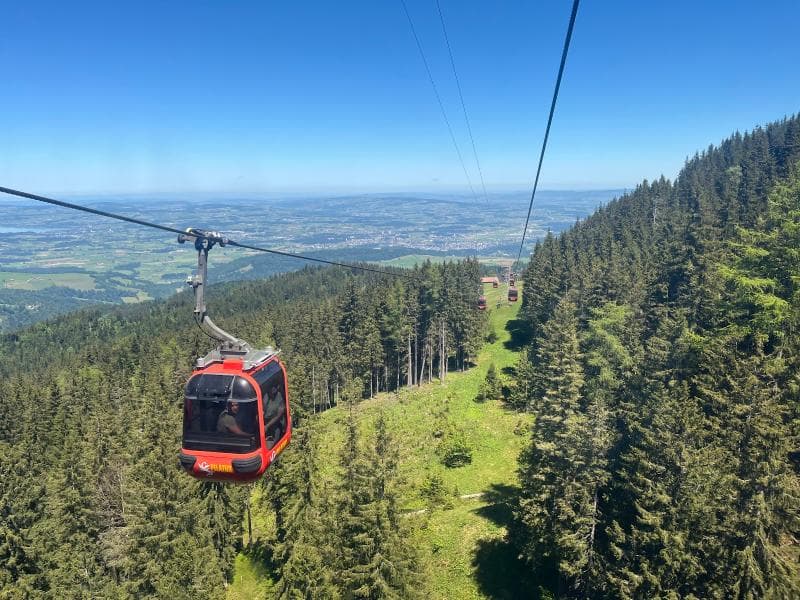
Discover Mount Pilatus in Lucerne, Switzerland. Experience panoramic views, the world's steepest railway, and ancient dragon legends.
Overview
Mount Pilatus, a majestic mountain massif, proudly overlooks Lucerne in Central Switzerland. Its highest peak, Tomlishorn, ascends to 2,128.5 meters (6,983 feet) above sea level, making it a prominent regional landmark. This iconic mountain is celebrated for its breathtaking panoramic vistas, offering expansive views of Lake Lucerne and a tapestry of 73 Alpine peaks. The journey to its summit is as remarkable as the destination, featuring the world's steepest cogwheel railway from Alpnachstad and modern panoramic gondolas and aerial cableways from Kriens. Many visitors opt for the renowned 'Golden Round Trip', a comprehensive excursion combining a scenic boat cruise, the historic cogwheel railway, and exhilarating cable car rides, creating a diverse and unforgettable alpine experience.
History & Cultural Background
The mystique of Mount Pilatus is woven into its very name, carrying both historical and legendary interpretations. One theory suggests its name stems from the Latin 'Pileatus', meaning 'cloud-capped', a fitting description for a mountain often shrouded in atmospheric clouds. A more dramatic legend claims the mountain is named after Pontius Pilate, whose restless spirit was purportedly banished to a high-altitude lake on Pilatus, giving rise to tales of the mountain being haunted.
Beyond etymology, Mount Pilatus is deeply embedded in local lore as the 'Mountain of Dragons'. Medieval myths speak of benevolent dragons with healing powers inhabiting its rugged slopes. These ancient stories have shaped the mountain's identity, adding layers of wonder and enchantment to its natural grandeur. Mount Pilatus has drawn visitors since the early 19th century, testament to its enduring appeal and captivating narratives.
What Makes It Special
Mount Pilatus distinguishes itself through a remarkable blend of natural beauty and ingenious engineering. It is home to the world's steepest cogwheel railway, an engineering marvel transporting passengers up its dramatic slopes since 1889. Ascending from Alpnachstad, this railway tackles an astonishing maximum gradient of 48 percent, offering an exhilarating ride through diverse landscapes.
Another highlight is the 'Dragon Ride' aerial cableway, providing a modern and thrilling ascent from Fräkmüntegg to Pilatus Kulm. With its spacious, cockpit-like design and large panoramic windows, passengers experience a sensation akin to flying, offering unparalleled views of Lucerne, the shimmering lake, and the surrounding Alps. The panoramic terraces at Pilatus Kulm provide a sublime vantage point where, on clear days, the gaze sweeps across more than 70 Alpine peaks, a truly awe-inspiring spectacle. The seamless integration of these diverse transport methods, particularly in the famed 'Golden Round Trip', transforms the journey into an integral part of the mountain experience, making access to these celestial views an adventure in itself.
Stories, Fun Facts & Local Details
Dragon tales are perhaps the most enchanting aspect of Mount Pilatus. Far from fearsome, these dragons are often depicted as mythical creatures possessing healing capabilities. Visitors can explore these ancient legends by traversing the 'Dragon Trail' at the summit, a short, scenic walk winding through dramatic cliffs and offering panoramic lookouts, immersing travelers in the mountain's mystical past.
For families, the Krienseregg station offers 'PILU-Land', a delightful woodland-themed playground with a dragon castle for younger explorers. Adventure seekers will find excitement at Fräkmüntegg, boasting Central Switzerland's largest rope park and the exhilarating 'Fräkigaudi' summer toboggan run, promising thrills amidst stunning alpine scenery. Additionally, fortunate visitors might glimpse the majestic ibex, wild mountain goats that roam the higher elevations, adding an authentic alpine wildlife encounter. These elements combine to create a destination rich in natural splendor and captivating local stories.
Visitor Perspective
Visiting Mount Pilatus offers an immersive alpine experience, accessible throughout the year, though transport options vary seasonally. The iconic cogwheel railway operates during warmer months, typically May to November, while panoramic gondolas and aerial cableways from Kriens provide year-round access, barring maintenance. This flexibility allows visitors to choose their preferred mode of ascent and descent.
At the summit, a wealth of activities awaits. Enthusiasts can embark on various hiking trails, from the relatively easy 'Dragon Trail' to more challenging paths. During summer, opportunities abound for paragliding, exploring the rope park, or tobogganing at Fräkmüntegg. In winter, snowshoeing and sledding transform the mountain into a snowy playground. For relaxation, several restaurants and hotels offer traditional Swiss cuisine and accommodation with unparalleled views. Planning a full day is recommended, especially to experience the celebrated 'Golden Round Trip' and explore the diverse attractions at each station, ensuring a comprehensive and memorable journey above Lake Lucerne.
Coordinates: 8.2537, 46.9741
View on Google Maps💬 How Travelers Describe This Place
Based on community votes
Must See
886Beautiful
564Unique
201Interesting
121Photogenic
87
Traveler Stories
Discover memorable experiences shared by travelers who have visited this place.
No traveler stories yet.
Be the first traveler to share what made this place memorable.
Things to see at Mount Pilatus



Tour
By
Spot
Discover amazing places around the world. Your journey starts here.
Explore
© 2026 TourBySpot. All rights reserved.