Summit Trails
Lucerne, Switzerland
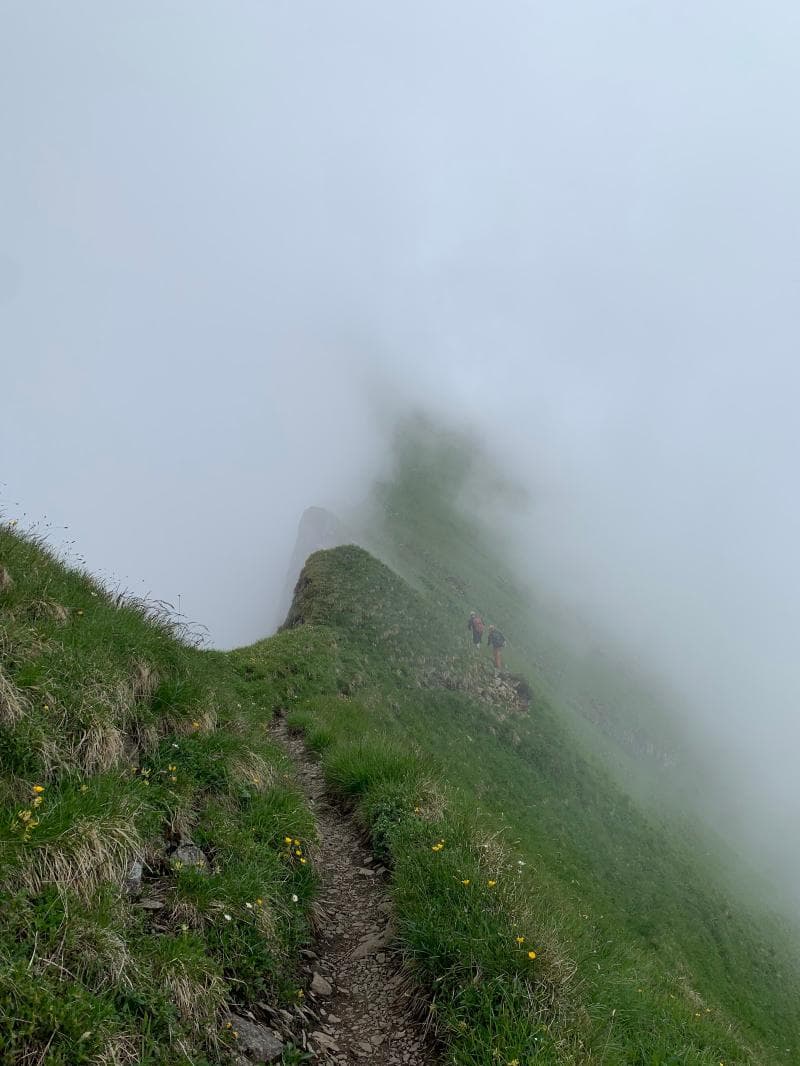
Explore the Summit Trails of Mount Pilatus in Lucerne, Switzerland, discovering alpine flowers, dragon legends, and panoramic views from Tomlishorn.
Overview
Perched majestically above Lucerne, Switzerland, Mount Pilatus is a striking mountain massif renowned for its panoramic views and rich folklore. While Mount Pilatus encompasses several peaks, its highest point is the Tomlishorn, reaching an elevation of 2,128.5 meters (6,983 feet). The summit area hosts a network of paths, collectively referred to as Summit Trails, offering visitors diverse experiences amidst the alpine landscape. Among these, the 'Flower Trail' and the 'Dragon Path' stand out, inviting exploration of both nature's beauty and the mountain's mystical past. These well-maintained trails provide unique perspectives of the Central Swiss Alps, Lake Lucerne, and the surrounding cantons, making Mount Pilatus a compelling destination for curious travelers seeking both scenic grandeur and cultural depth.
History & Cultural Background
Mount Pilatus has long captured the human imagination, its rugged silhouette inspiring tales and superstitions for centuries. In ancient times, it was known as 'Fractus mons' or Frakmont, meaning 'broken mountain,' a name reflecting its dramatic and imposing rock formations. The mountain's current name, Pilatus, is deeply intertwined with a captivating medieval legend. Local folklore suggests that the restless spirit of Pontius Pilate, the Roman governor who condemned Jesus, found its final resting place in a secluded mountain lake on Pilatus. Disturbing this spirit was believed to unleash violent storms and floods upon Lucerne, leading to centuries-old bans on climbing the mountain. Fearful thunderstorms and heavy flooding were often seen as harbingers of supernatural activity linked to Pilate's ghost. This rich history of awe and apprehension forms a unique cultural tapestry around the mountain.
What Makes It Special
The Summit Trails of Mount Pilatus are unique for their blend of accessible alpine hiking, breathtaking scenery, and immersion in local legend. The 'Flower Trail,' leading from Pilatus Kulm to the highest point, Tomlishorn, is a natural gem, celebrated for its remarkable diversity of alpine flowers such as creamy white alpine anemones and bright blue gentians. Information boards along this secured panoramic path help hikers identify various plant species, their colors, and flowering seasons, enriching the experience. Meanwhile, the 'Dragon Path' (Drachenweg) winds through impressive rock formations right at the summit, inviting visitors to delve into the fascinating world of Pilatus's myths and legends. This 40-minute circular trail offers glorious views while narrating the mountain's mystical past. Beyond these specific paths, the entire summit offers unparalleled panoramic vistas of the Central Swiss Alps, Lake Lucerne, and an expanse of distant peaks, making every turn a discovery. The chance to spot majestic ibex in the early morning or evening hours also adds a special element of wildlife encounter. The mountain's accessibility via the world's steepest cogwheel railway from Alpnachstad and a panoramic gondola from Kriens further distinguishes it as an engineering marvel, seamlessly connecting visitors to this extraordinary alpine world.
Stories, Fun Facts & Local Details
Mount Pilatus is famously known as 'the Dragon Mountain' due to a plethora of ancient legends claiming dragons inhabit its caves and crevices. These mythical creatures were often described as guardians of the mountain, sometimes fire-breathing, and said to appear during violent storms. One famous account from 1421 tells of a farmer who witnessed a dragon flying from Mount Rigi to Pilatus, dropping a 'dragon-stone' (later believed to be a meteorite) that was reputedly endowed with healing powers. This rich dragon lore is playfully woven into the modern mountain experience, with attractions like the 'Dragon Ride' aerial cableway and the 'Dragon Path' near the summit, which features murals depicting these ancient stories. The 'Flower Trail' also holds a special detail: it is a lovingly designed project by the Pro Pilatus association, dedicated to the protection and preservation of the Pilatus region's unique alpine flora. This highlights a deep local commitment to both heritage and nature.
Visitor Perspective
For those venturing to the Summit Trails, the experience offers a memorable journey into Switzerland's natural and mythical heart. The 'Flower Trail' to Tomlishorn is generally considered a leisurely and relaxing hike, perfect for observing the vibrant alpine flora, especially from mid-June to October when it is typically open. The path is well-secured, often paved initially, and includes benches for resting and soaking in the views. While mostly flat for the first half, it does include some steeper sections and stairs towards the Tomlishorn summit, rewarding hikers with a 360-degree panorama. The 'Dragon Path,' a shorter circular route, is an easy way to engage with the mountain's legends while enjoying impressive vistas. Visitors are advised that while the mountain offers spectacular views, it can sometimes be shrouded in clouds, which, though adding to its mysterious 'dragon-like' atmosphere, might obscure distant panoramas. Overall, the Summit Trails provide an accessible and enriching way to connect with the majestic beauty and intriguing stories of Mount Pilatus, inviting reflection and discovery at every turn.
Coordinates: 8.24111, 46.97389
View on Google Maps💬 How Travelers Describe This Place
Based on community votes
Must See
886Beautiful
564Unique
201Interesting
121Photogenic
87
Traveler Stories
Discover memorable experiences shared by travelers who have visited this place.
No traveler stories yet.
Be the first traveler to share what made this place memorable.

Tour
By
Spot
Discover amazing places around the world. Your journey starts here.
Explore
© 2026 TourBySpot. All rights reserved.