Masjid Aisha
Mecca, Saudi Arabia
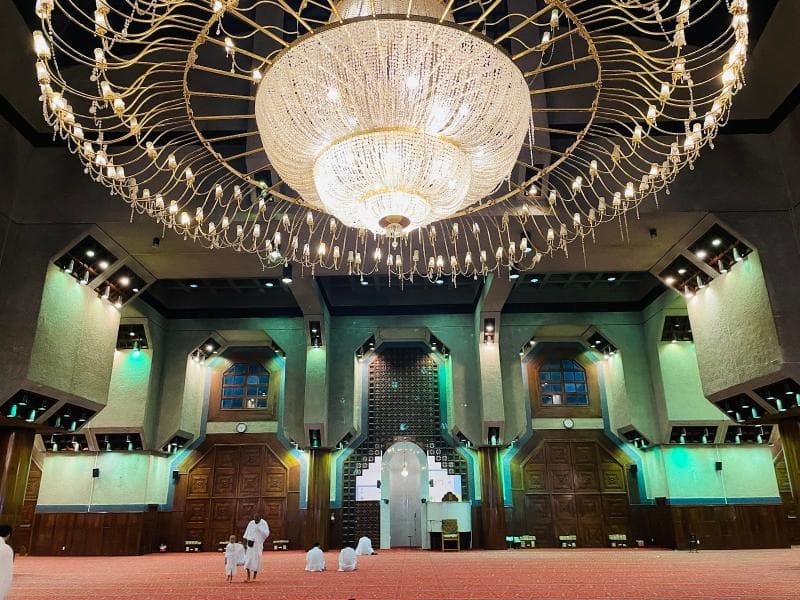
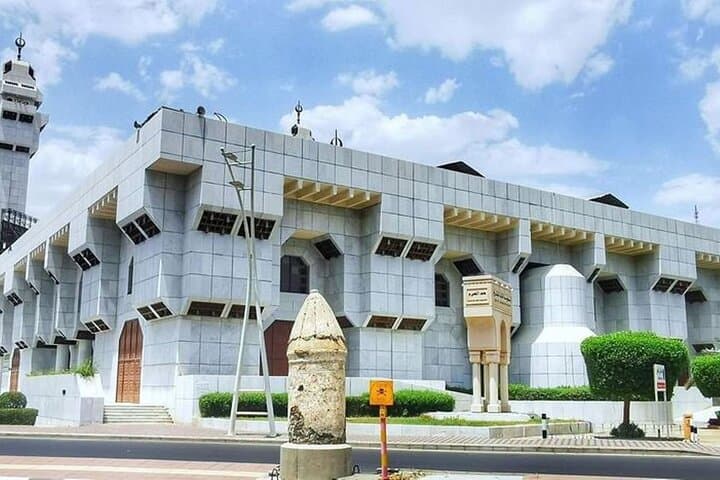
Discover Masjid Aisha, also known as Masjid al-Taneem, a significant Miqat point in Mecca, Saudi Arabia. Learn its history, purpose for pilgrims, and unique spiritual role.
Overview
Masjid Aisha, famously known as Masjid al-Taneem, is a significant mosque located in Mecca, Saudi Arabia. Situated approximately 7.5 to 8 kilometers (about 5 miles) north of the revered Masjid al-Haram and the Holy Kaaba, it stands in the area of Tan'eem, along the road leading towards Madinah. This mosque is not merely a place of worship but serves a crucial role as a 'Miqat' point for pilgrims. It is here that Muslims residing within the Haram boundary, or those wishing to perform an additional Umrah, don their Ihram garments and make their intention (niyyah) before proceeding to the Grand Mosque. The mosque complex spans a vast 84,000 square meters, with the main prayer hall covering 6,000 square meters, capable of accommodating up to 15,000 worshippers. Its serene white marble and pale stone architecture, complemented by two prominent minarets, offers a calm and spiritual environment for preparation.
History & Cultural Background
The mosque derives its name from Aisha bint Abu Bakr (RA), the beloved wife of Prophet Muhammad (PBUH). Its historical significance dates back to the Farewell Pilgrimage when Aisha (RA) was unable to perform Umrah due to her menstrual cycle, having already completed the Hajj rites. Upon expressing her desire to complete an Umrah, Prophet Muhammad (PBUH) instructed her brother, Abd al-Rahman ibn Abi Bakr, to take her to Tan'eem. From this location, she entered the state of Ihram and performed her Umrah. This specific event firmly established Tan'eem as a valid Miqat point for those already within Mecca, making Masjid Aisha a living testament to prophetic guidance and mercy. An early construction of the mosque was documented in 854 AD (240 AH) during the Abbasid period, under the patronage of Emir of Makkah, Abu Abbas Abdullah ibn Muhammad. Over centuries, the mosque underwent reconstructions and expansions, most notably during the reign of King Fahd Bin Abdulaziz (1982-2005), enhancing its capacity and facilities for pilgrims.
What Makes It Special
Masjid Aisha holds a unique and profound significance as the closest and most accessible Miqat point for residents of Mecca and pilgrims already within the Haram boundary who wish to perform an additional Umrah. Its purpose is rooted in the Sunnah (the teachings and practices of Prophet Muhammad PBUH), providing a designated place for spiritual renewal and the formal entry into Ihram. The mosque serves as a sacred threshold, allowing pilgrims to momentarily step outside the Haram, purify themselves, make their intention (niyyah), and then return to perform the Umrah rites. This practice emphasizes the spiritual preparation and conscious intention required for pilgrimage, reinforcing the sanctity of the journey. The modern architecture of the mosque, with its expansive halls and serene ambiance, creates an environment conducive to reflection and devotion. It stands as a vital link between historical Islamic practice and the practical needs of contemporary pilgrims, ensuring that the spiritual path remains accessible and aligned with tradition.
Stories, Fun Facts & Local Details
The story of Aisha (RA) and her Umrah from Tan'eem is not just historical, but deeply personal, illustrating the compassion and practical guidance offered by the Prophet Muhammad (PBUH) in matters of faith. Her experience highlights the flexibility within Islamic law, accommodating individual circumstances while upholding the principles of worship. The location of Tan'eem itself, situated between two mountains named Jabal Na'im and Jabal Na'em within the Nu'man valley, further adds to its distinct geographical identity. Before the mosque's construction, this area was already recognized as a stopping point for travelers to enter Ihram before entering Mecca. Locally, Masjid Aisha is also known as 'Masjid Umrah' due to its primary function in facilitating the Umrah pilgrimage. For pilgrims, performing ghusl (ritual washing) at the mosque's well-maintained facilities before entering Ihram can be a particularly refreshing and spiritually integrated start to their rites. Visiting during the early morning hours, just after Fajr prayer, can offer a remarkably serene experience, with cool marble floors and soft light enhancing the spiritual atmosphere.
Visitor Perspective
Visiting Masjid Aisha provides pilgrims with a tangible connection to Islamic history and an essential step in their spiritual journey. The mosque is open 24 hours a day, offering flexibility for worshippers. Facilities are comprehensive and thoughtfully designed, including clean washrooms, ample ablution areas, and dedicated changing rooms for both men and women to don their Ihram garments. There are also nearby shops where pilgrims can purchase Ihram clothing and other necessary items. Accessibility to Masjid Aisha from Masjid al-Haram is convenient, with taxis and ride-hailing services readily available, typically taking 15-30 minutes. Local buses also offer a more economical alternative. While the mosque can experience high foot traffic during peak pilgrimage seasons and before major prayer times, its spacious layout often maintains a sense of calm. For those not entering Ihram, respectful observation of pilgrims in their sacred state, perhaps with a simple smile or giving extra space, is a thoughtful gesture appreciated in this holy place.
Coordinates: 39.8012469444, 21.4678497222
View on Google Maps💬 How Travelers Describe This Place
Based on community votes
Photogenic
869Beautiful
445Unique
416Must See
141Interesting
33
Traveler Stories
Discover memorable experiences shared by travelers who have visited this place.
No traveler stories yet.
Be the first traveler to share what made this place memorable.
Things to see at Masjid Aisha



Tour
By
Spot
Discover amazing places around the world. Your journey starts here.
Explore
© 2026 TourBySpot. All rights reserved.