White Domes and Minarets
Mecca, Saudi Arabia
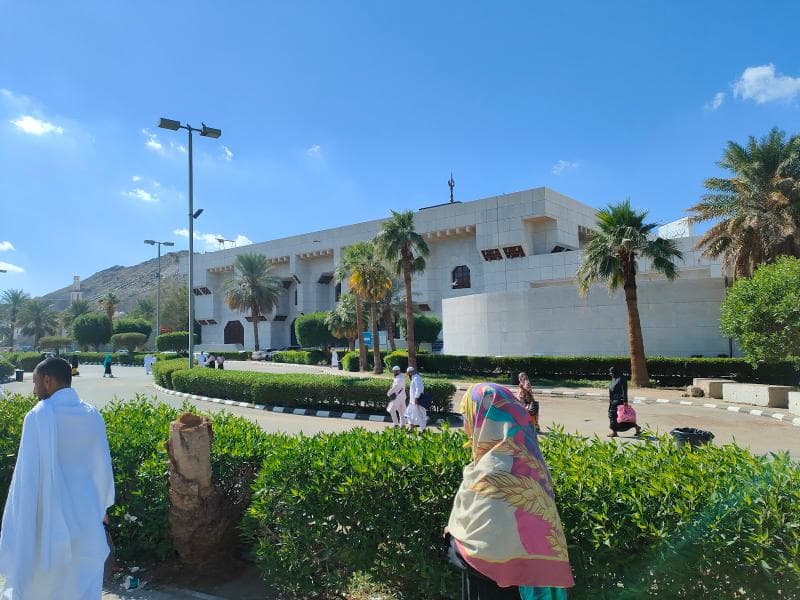
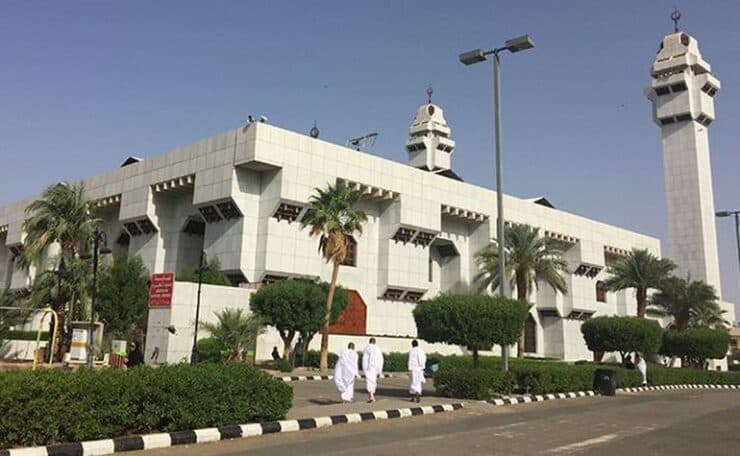
Explore Masjid Aisha, also known as Masjid al-Tan'im, in Mecca, Saudi Arabia. Discover its white domes, historical significance as a Miqat, and role in Umrah pilgrimages.
Overview
Nestled just outside the sacred boundaries of Mecca, Saudi Arabia, stands Masjid Aisha, also widely known as Masjid al-Tan'im. This revered mosque is more than just a place of prayer; it serves as a pivotal spiritual gateway, instantly recognizable by its distinctive white domes and prominent minarets that rise gracefully against the desert sky. Located approximately 7.5 kilometers north of Masjid al-Haram, along the road connecting Mecca to Medina, Masjid Aisha is a bustling hub for pilgrims.
For those already residing in Mecca or seeking to perform additional Umrah pilgrimages, Masjid Aisha is the closest Miqat, a designated point where pilgrims enter the sacred state of Ihram. Its modern facilities are designed to accommodate thousands, providing comfort and convenience as they prepare for their spiritual journey to the Kaaba. With a capacity for around 15,000 worshippers, it remains open year-round, a testament to its enduring importance in the Islamic world.
History & Cultural Background
The profound significance of Masjid Aisha dates back to the time of Prophet Muhammad (PBUH) and his beloved wife, Aisha bint Abu Bakr (RA). During the Farewell Pilgrimage, Aisha (RA) was unable to perform Umrah due to her menstrual cycle. Upon its completion, the Prophet Muhammad (PBUH) instructed her to proceed to Tan'im, accompanied by her brother, Abd al-Rahman ibn Abi Bakr, to enter the state of Ihram and perform Umrah. This act established the site as a crucial Miqat, particularly for those within Mecca wishing to undertake an Umrah.
The first mosque at this hallowed location was constructed centuries later, during the Abbasid period, specifically under the rule of Caliph al-Mutawakkil around 854 AD. Over its long history, Masjid Aisha has undergone numerous transformations and reconstructions, evolving to meet the needs of the ever-increasing number of pilgrims. A significant expansion and renovation took place during the reign of King Fahd Bin Abdulaziz (1982–2005), which greatly enhanced its capacity and facilities, creating the modern structure seen today.
What Makes It Special
Masjid Aisha holds a unique position as the most convenient Miqat for residents of Mecca and pilgrims seeking to perform multiple Umrahs during their stay. Its proximity to Masjid al-Haram, just a short drive away, makes it an accessible and practical starting point for the spiritual rites of Umrah. The mosque itself is a remarkable example of modern Islamic architecture, blending traditional elements with contemporary design. Its spacious prayer halls, well-appointed ablution areas, and dedicated changing rooms for Ihram garments underscore its role in facilitating a smooth and meaningful pilgrimage experience.
The visual splendor of its white domes and tall minarets is not merely aesthetic; it symbolizes purity, devotion, and a beacon for those embarking on a spiritual quest. These architectural features are a signature of the mosque, visible from a distance and serving as a welcoming sight for pilgrims.
Stories, Fun Facts & Local Details
The mosque's naming after Aisha (RA) itself carries a powerful story of devotion and the Prophet's compassion. Her personal journey to fulfill the Umrah from this spot provides a deeply relatable narrative for pilgrims, especially women, reminding them of the flexibility and mercy within Islamic practices.
Locally, Masjid Aisha is often referred to as 'Masjid al-Umrah' or the 'Mosque of Umrah' due to its primary function as the initiation point for this lesser pilgrimage. Pilgrims from all over the world, after performing their initial Umrah or Hajj, often return here to renew their Ihram and perform additional Umrahs, seeking further blessings and spiritual purification. The atmosphere around the mosque, particularly during peak seasons like Ramadan and Hajj, is vibrant, filled with anticipation and devotion as thousands prepare themselves for the rites ahead.
Visitor Perspective
A visit to Masjid Aisha offers more than just a logistical stop for Ihram; it provides a profound spiritual connection to Islamic history. Standing within its grand, serene spaces, one can feel linked to the generations of pilgrims who have passed through this very spot. The efficient design, with ample facilities for bathing, changing, and performing ablution, ensures that pilgrims can transition into the state of Ihram with ease and focus.
The modern amenities combined with the deep historical roots make it an ideal place for reflection before proceeding to Masjid al-Haram. Many pilgrims describe the experience as a moment of profound intention, a conscious step into a heightened state of worship. It's a place where the physical act of preparing for Umrah merges seamlessly with the spiritual intent, setting a tone of humility and devotion for the sacred journey that lies ahead.
Coordinates: 39.8013, 21.4677
View on Google Maps💬 How Travelers Describe This Place
Based on community votes
Interesting
804Photogenic
733Unique
563Must See
100Beautiful
63
Traveler Stories
Discover memorable experiences shared by travelers who have visited this place.
No traveler stories yet.
Be the first traveler to share what made this place memorable.

Tour
By
Spot
Discover amazing places around the world. Your journey starts here.
Explore
© 2026 TourBySpot. All rights reserved.