Historical Significance Marker
Mecca, Saudi Arabia
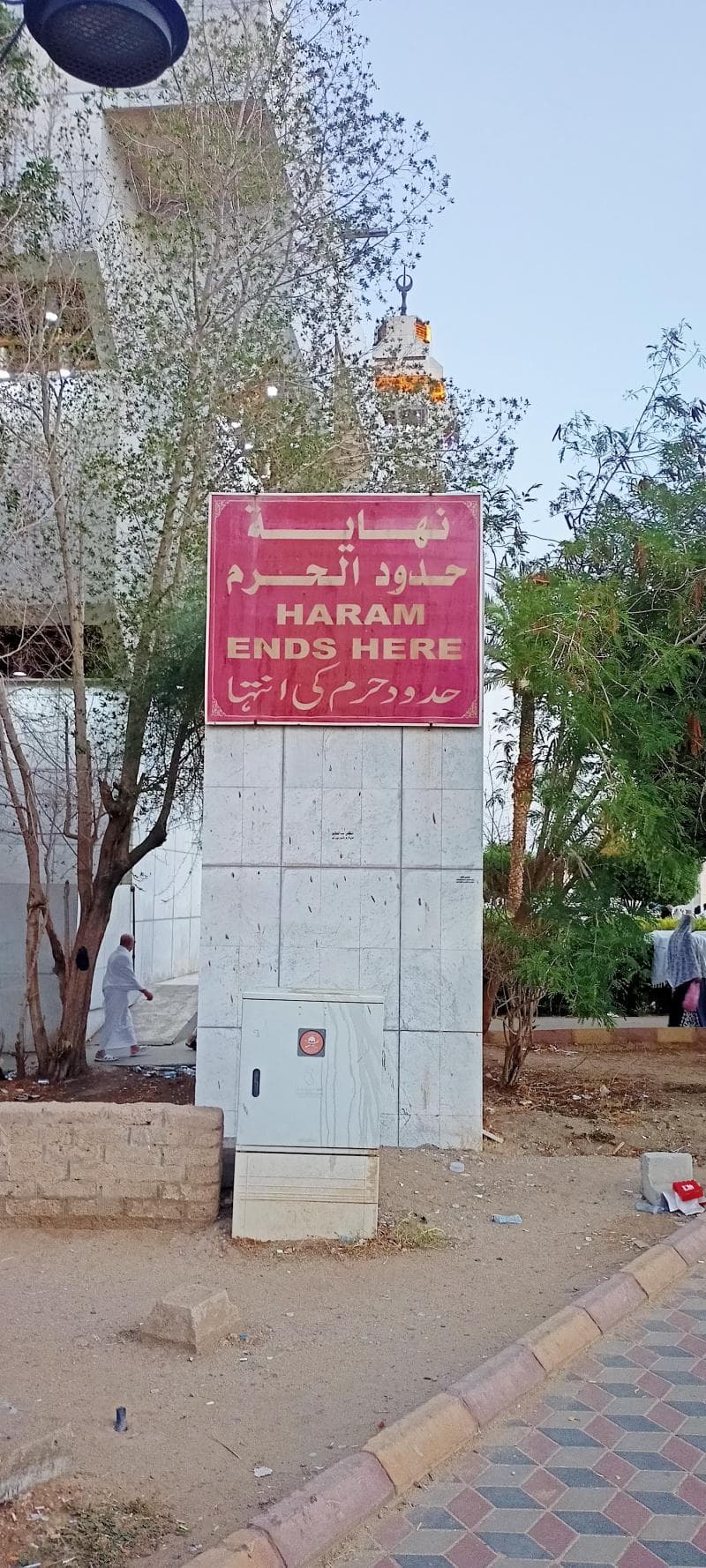
Discover Masjid Aisha, Mecca's historic Miqat point. Learn its significance for Umrah pilgrims and connection to Aisha (RA) in Saudi Arabia.
Overview
Nestled just outside the sacred boundaries of Mecca, in the serene area of At-Tan'im, lies Masjid Aisha, a site of profound historical and spiritual significance. Often referred to as Masjid al-Taneem or the 'Miqat Mosque,' this revered destination serves as a crucial point for pilgrims embarking on Umrah. Situated approximately 7.5 kilometers north of Masjid al-Haram, it is readily accessible from the heart of Mecca, making it an ideal starting point for those already in the city wishing to enter the state of Ihram. Beyond its practical role as a Miqat, Masjid Aisha is a place imbued with history, offering a quiet space for reflection and preparation for the spiritual journey ahead.
The mosque itself is a spacious and modern structure, thoughtfully designed to accommodate thousands of worshippers comfortably. It features robust facilities for ablution and changing into the Ihram garments, ensuring pilgrims can prepare themselves in comfort and dignity. Its contemporary Islamic architecture, characterized by high doors and windows, harmoniously blends with subtle historical decorations, creating an atmosphere of both grandeur and tranquility. For many, a visit here is not merely a logistical step but a deeply meaningful experience, connecting them to centuries of Islamic tradition and devotion.
History & Cultural Background
The indelible historical significance of Masjid Aisha is deeply rooted in the life of Aisha bint Abu Bakr, the beloved wife of Prophet Muhammad (peace be upon him). The mosque stands precisely at the location where she entered the sacred state of Ihram during the Farewell Pilgrimage in the 9th year of Hijra (630 AD). Historical accounts narrate that during this pilgrimage, Aisha (RA) was unable to perform the Umrah rituals alongside the Hajj due to menstruation. Out of his immense mercy and guidance, Prophet Muhammad (PBUH) instructed her brother, Abd al-Rahman ibn Abi Bakr, to escort her to Taneem so she could don her Ihram there and then perform her Umrah.
This pivotal event established Taneem as a recognized Miqat for those already within Mecca, allowing them to fulfill the requirements of Umrah. While the exact date of the first structure is debated, historical records suggest an early mosque was built around 854 AD (240 AH) during the Abbasid Caliphate, under the reign of Caliph al-Mutawakkil. Over the centuries, the mosque has undergone numerous reconstructions and expansions, most notably during the era of King Fahd Bin Abdulaziz (1982-2005), transforming it into the impressive complex seen today. The name 'Taneem' itself is said to be derived from its geographical position between two mountains, Jabal Na'im and Jabal Na'em, nestled within a valley.
What Makes It Special
Masjid Aisha holds a unique and revered status primarily due to its function as the nearest and most convenient Miqat for pilgrims residing within the Haram area of Mecca. For those wishing to perform an additional Umrah after completing their initial pilgrimage or for Mecca residents, this mosque provides an accessible point to legally enter the state of Ihram. It bypasses the need for a lengthy journey to other Miqat points, making the spiritual obligation more attainable for the elderly, physically challenged, or those simply seeking to perform multiple Umrahs.
Its special allowance for Aisha (RA) not only cemented its place in Islamic history but also underscored a principle of ease and flexibility in Islamic jurisprudence, particularly concerning women's worship. The Prophet's guidance demonstrated that even under specific circumstances, religious obligations could be fulfilled with compassion and understanding. The extensive facilities, including ample washing and changing areas, cater specifically to the needs of pilgrims preparing for Ihram, offering a seamless transition into this sacred state.
Stories, Fun Facts & Local Details
The story of Aisha (RA) and her Umrah from Taneem during the Farewell Pilgrimage is a compelling narrative that breathes life into the mosque's stones. She expressed her profound disappointment to the Prophet (PBUH) at being unable to perform Umrah with the Hajj, lamenting, 'O Rasulullah! While you have performed Hajj and Umrah, I have performed only Hajj.' It was in response to this heartfelt plea that the Prophet (PBUH) guided her to Taneem, granting her this special dispensation. This incident highlights the Prophet's compassion and the inclusive nature of Islam, ensuring that worship remains accessible and valid for everyone.
Locally, the mosque is affectionately known by several names, including Masjid al-Umrah or the Miqat Mosque, reflecting its primary function for pilgrims. Its strategic location on the Makkah-Madinah Expressway also means it's a familiar landmark for travelers between the two holy cities. The area surrounding the mosque often buzzes with activity, especially during peak pilgrimage seasons. You might find vendors selling Ihram garments, prayer beads, and other pilgrimage essentials, adding to the vibrant atmosphere. The sheer scale of the mosque, capable of hosting up to 15,000 worshippers, is a testament to the continuous stream of devotion it witnesses throughout the year.
Visitor Perspective
For a curious traveler, Masjid Aisha offers more than just a functional stop; it's an opportunity to step into a tangible piece of Islamic history. While there isn't a specific 'historical significance marker' in the traditional sense, the entire mosque serves as a living monument to the Prophet Muhammad's guidance and Aisha (RA)'s devotion. When visiting, one can feel the anticipation and spiritual focus of pilgrims as they prepare for Umrah. The well-maintained facilities provide a peaceful environment for visitors to perform ablution and don their Ihram, allowing for a moment of quiet contemplation before heading to the Grand Mosque.
The ease of access, whether by taxi or public bus from Masjid al-Haram, makes it a convenient detour for anyone interested in the foundational aspects of the Islamic pilgrimage. Observing the diverse multitude of pilgrims from across the globe, all united in their purpose and clad in simple Ihram, can be a profoundly moving experience. It’s a place where the rituals of today directly echo events from the earliest days of Islam, making the connection to its rich heritage feel immediate and real. The serene ambiance, coupled with its profound historical narrative, makes Masjid Aisha an essential visit for anyone seeking a deeper understanding of the pilgrimage journey in Mecca.
Coordinates: 39.8013, 21.4677
View on Google Maps💬 How Travelers Describe This Place
Based on community votes
Interesting
623Photogenic
343Unique
302Must See
250Beautiful
88
Traveler Stories
Discover memorable experiences shared by travelers who have visited this place.
No traveler stories yet.
Be the first traveler to share what made this place memorable.

Tour
By
Spot
Discover amazing places around the world. Your journey starts here.
Explore
© 2026 TourBySpot. All rights reserved.