Ablution and Ihram Changing Facilities
Mecca, Saudi Arabia
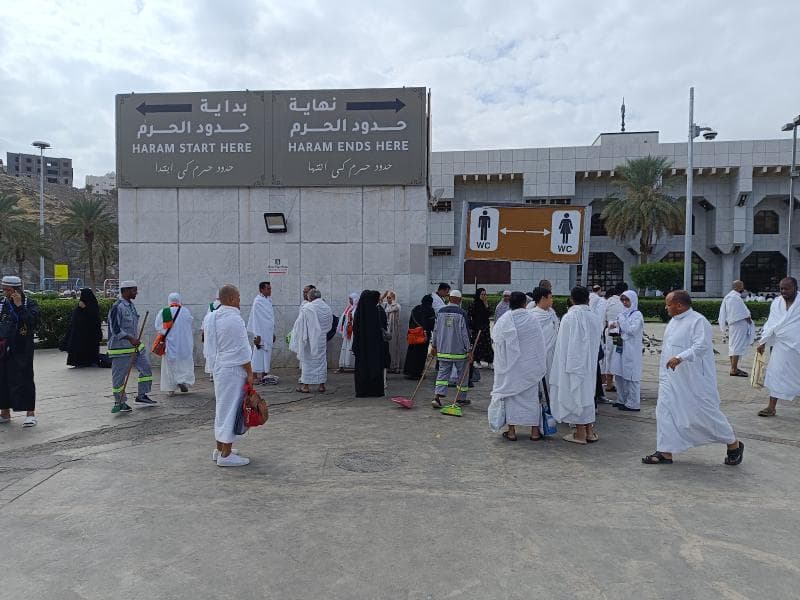
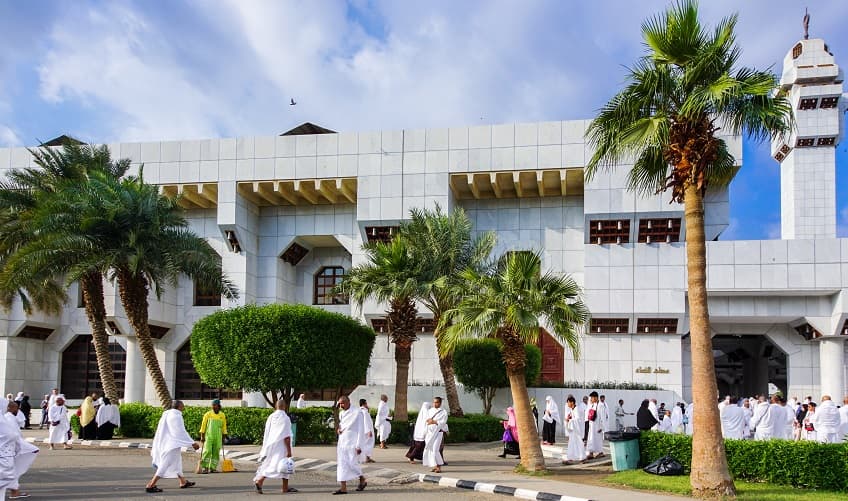
Prepare for Umrah at Masjid Aisha's Ablution and Ihram Changing Facilities in Mecca, Saudi Arabia. Discover its history, significance, and practical amenities.
Overview
The Ablution and Ihram Changing Facilities within Masjid Aisha, also known as Masjid al-Taneem, offer an indispensable stop for pilgrims on their sacred journey to Mecca, Saudi Arabia. Located approximately 7.5 to 10 kilometers north of Masjid al-Haram, in the Taneem area, this mosque serves as a designated miqat (boundary) for those intending to perform Umrah. It is particularly significant for pilgrims already residing within Mecca or those wishing to undertake an additional Umrah, providing a convenient and spiritually charged location to enter the sacred state of Ihram.
These facilities are specifically designed to cater to the spiritual and practical needs of thousands of visitors daily, ensuring a smooth and reverent transition into a state of devotion. The mosque is well-equipped with modern amenities, including clean restrooms, showers, and ample wudu (ablution) stations, making the process of entering Ihram comfortable and organized.
History & Cultural Background
Masjid Aisha holds profound historical and cultural significance, deriving its name from Aisha bint Abu Bakr (RA), the beloved wife of the Prophet Muhammad (PBUH). Its story is deeply rooted in an event during the Farewell Pilgrimage. After completing Hajj, Aisha (RA) expressed a desire to perform Umrah but was unable to do so initially due to menstruation. The Prophet Muhammad (PBUH) instructed her brother, Abdul Rahman ibn Abi Bakr (RA), to take her to Tan'eem, where she then entered the state of Ihram and performed Umrah.
This pivotal event consecrated the site as a miqat, especially for those within the Haram boundaries seeking to perform Umrah. The act of ablution, or wudu, is a fundamental pillar of Islamic purity, a prerequisite for prayer and entering the state of Ihram, symbolizing both physical cleanliness and spiritual readiness. Facilities for ritual purification have always been an integral part of mosques, evolving over centuries to accommodate the growing numbers of pilgrims and underscore the deep importance of purity in Islamic worship.
What Makes It Special
What sets the Ablution and Ihram Changing Facilities at Masjid Aisha apart is their vital role as the closest and most accessible miqat for pilgrims already within Mecca. For those wishing to perform multiple Umrahs, this site offers unparalleled convenience, allowing them to step outside the Haram area, prepare themselves, and re-enter in a state of Ihram. This contrasts with other miqat points that are designated for pilgrims approaching Mecca from outside regions.
The facilities are thoughtfully designed to facilitate this spiritual transition, offering separate, well-maintained areas for men and women to perform ghusl (full ritual bath) or wudu (partial ablution) and change into their Ihram garments. Pilgrims find the environment calm, organized, and spiritually uplifting, even during busy periods. The presence of nearby shops also allows pilgrims to purchase Ihram garments and other essentials, adding to the convenience of the location.
Stories, Fun Facts & Local Details
The very essence of Masjid Aisha is steeped in the historical narrative of Aisha (RA)'s Umrah. Pilgrims visiting today often reflect on her journey, drawing inspiration from her dedication and the Prophet's guidance. This specific moment adds profound significance to the entire site, turning it into a place filled with love, mercy, and a divine sanctuary.
The mosque itself is a large and beautiful structure, encompassing an area of approximately 84,000 square meters and capable of accommodating around 15,000 worshippers, although some sources suggest it can hold up to 50,000. It features traditional Islamic architecture with a large prayer hall, domed ceilings, and two minarets. The ablution areas are equipped with modern plumbing and easy-to-clean tiling, blending traditional reverence with contemporary convenience. Outside the mosque, small stalls and vendors sell Ihram clothes and other necessities for pilgrims.
Visitor Perspective
For the pilgrim, the Ablution and Ihram Changing Facilities at Masjid Aisha represent a gateway to spiritual renewal. These facilities are generally free to use, meticulously maintained, and accessible around the clock, providing a crucial service at any hour of the day or night. Visitors find solace and purpose here, performing the ritual purification of wudu and ghusl, then donning the simple Ihram attire that signifies equality and humility before Allah. The design, with its separate sections for men and women, ensures a respectful and organized environment, even amidst large crowds.
Many pilgrims describe the experience as well-managed, with clear purpose and a smooth flow, allowing for a focused and respectful atmosphere. The serene atmosphere provides a peaceful space for reflection and prayer, helping pilgrims mentally and spiritually prepare for their journey. While the mosque is open 24 hours a day, visiting during off-peak hours, such as early mornings or late evenings, is often recommended for a quieter and more peaceful experience.
Coordinates: 39.801331, 21.467658
View on Google Maps💬 How Travelers Describe This Place
Based on community votes
Unique
872Beautiful
846Interesting
684Photogenic
363Must See
87
Traveler Stories
Discover memorable experiences shared by travelers who have visited this place.
No traveler stories yet.
Be the first traveler to share what made this place memorable.

Tour
By
Spot
Discover amazing places around the world. Your journey starts here.
Explore
© 2026 TourBySpot. All rights reserved.