Magritte Museum
Brussels, Belgium
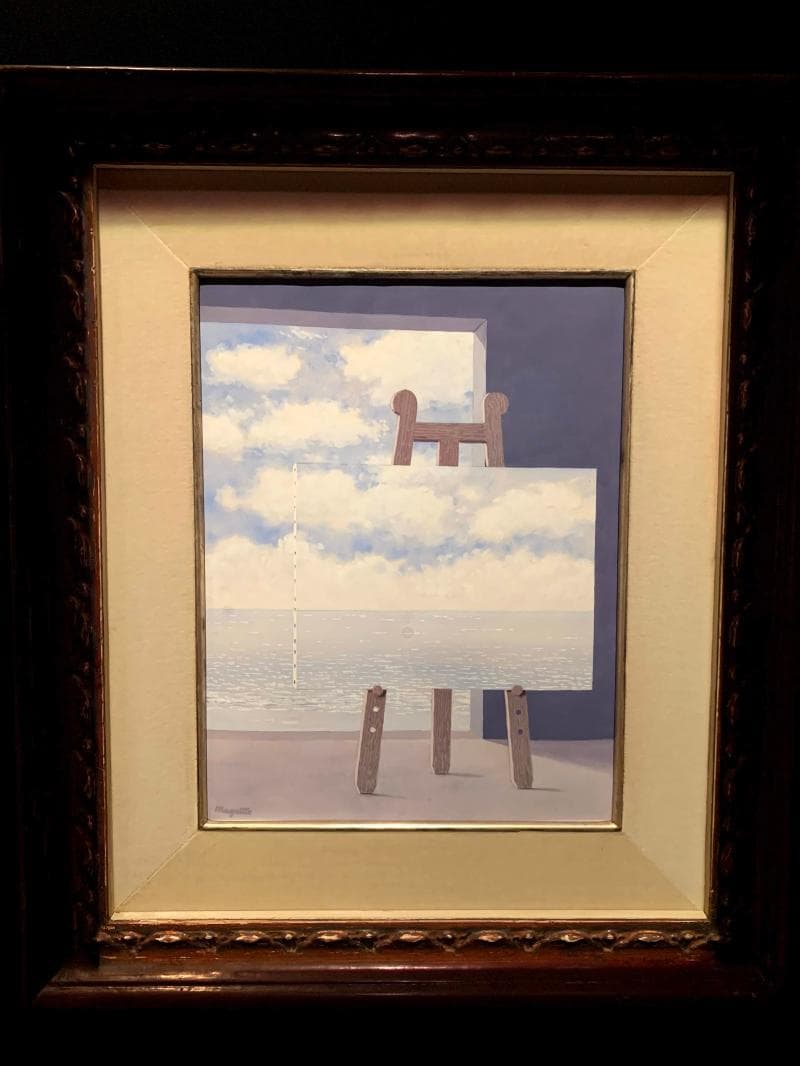
Explore the Magritte Museum in Brussels, Belgium. Discover the world's largest collection of René Magritte's surrealist masterpieces and delve into his enigmatic art.
Overview
The Magritte Museum, nestled in the heart of Brussels, Belgium, stands as a captivating tribute to the enigmatic Belgian surrealist painter, René Magritte. Opened in 2009, this museum forms an integral part of the Royal Museums of Fine Arts of Belgium, dedicated to preserving and showcasing the legacy of one of the 20th century's most influential artists. It proudly hosts the world's most extensive collection of Magritte's works, inviting visitors into a realm where the ordinary transcends into the extraordinary. With over 200 pieces, including paintings, drawings, sculptures, gouaches, and even his lesser-known commercial works and films, the museum offers an unparalleled journey through Magritte's creative evolution.
History & Cultural Background
The Magritte Museum is housed within the grand Hôtel du Lotto, also known as Hôtel Altenloh, an elegant 18th-century neoclassical building situated on Place Royale in Brussels. This historic edifice itself was part of a larger architectural complex built after the Palace of Coudenberg was destroyed by fire in 1731. Over centuries, the building served various purposes, from a hotel to a jewelry store, before its transformation into the current museum. Its neoclassical facade offers a striking contrast to the surrealist masterpieces it contains, embodying a dialogue between tradition and radical artistic innovation. The museum's inauguration in 2009 marked a significant moment for Belgian culture, providing a dedicated international reference center for Magritte's multidisciplinary art. René Magritte himself spent the majority of his adult life in Brussels, where the city's quiet bourgeois atmosphere subtly influenced the unsettling domesticity often found in his canvases.
What Makes It Special
What sets the Magritte Museum apart is not only the sheer volume of its collection, which spans all five decades of Magritte's prolific career, but also its thoughtful curation. The museum's five floors are thematically organized, allowing visitors to trace the artist's journey from his early commercial endeavors, such as advertising posters and wallpaper designs that supported his fine art practice in the 1920s, to his fully realized Surrealist vocabulary. Among the prominent works on display are iconic pieces like 'The Return,' 'Scheherazade,' and variations from 'The Empire of Light' series, known for depicting a daylight sky over a nocturnal street. Visitors will also encounter works related to 'The Treachery of Images,' famously stating 'Ceci n'est pas une pipe,' challenging perceptions of reality and representation. The museum also showcases less-known periods, including his 'vache' period, highlighting his artistic versatility. This comprehensive collection, derived largely from donations and bequests by Magritte's widow, Georgette, and primary collector Irène Hamoir Scutenaire, offers deep insight into his creative genius.
Stories, Fun Facts & Local Details
René Magritte, despite the profound mysteries within his art, led a surprisingly conventional life, maintaining a long marriage and residing mostly in Belgium. He deliberately eschewed psychoanalytic interpretations of his work, famously stating that his paintings were not puzzles to be solved, but 'material signs of freedom of thought,' meant to pose questions rather than provide answers. A fascinating detail is Magritte's philosophical inclination; he corresponded with philosophers and questioned the world around him through his art. He even gave all his dogs the same name: Loulou. The anonymous bowler-hatted man, a recurring motif in his work like 'Golconda,' has become a signature image, symbolizing a certain bourgeois anonymity yet sparking endless intrigue. The museum also presents his experiments with photography and short surrealist films, revealing the breadth of his artistic exploration beyond painting. His life, in its apparent ordinariness, serves as a poignant counterpoint to the dreamlike and unsettling worlds he created, making his art all the more captivating.
Visitor Perspective
A visit to the Magritte Museum is an immersive experience designed to unfold chronologically, beginning counter-intuitively on the third floor and guiding visitors downwards through Magritte's artistic progression. This unique flow allows for a gradual immersion into his world, from his formative years and early experiments to his mature surrealist masterpieces. Audio guides, available in multiple languages, enhance the journey by providing extensive quotes from Magritte's own essays and letters, offering a direct line to the artist's thoughts and intentions. The museum's ambiance, characterized by deliberately dimmed lighting in certain areas, is not only for the conservation of fragile works, especially those on paper, but also to create an intimate atmosphere that draws all attention to the artworks themselves, reflecting Magritte's introspective world. While photography is generally permitted, specific guidelines are in place to ensure the preservation and security of the exhibits. The museum is wheelchair accessible and prioritizes the comfort and safety of all its guests.
Coordinates: 4.35861, 50.84194
View on Google Maps💬 How Travelers Describe This Place
Based on community votes
Beautiful
685Interesting
472Must See
446Unique
399Photogenic
92
Traveler Stories
Discover memorable experiences shared by travelers who have visited this place.
No traveler stories yet.
Be the first traveler to share what made this place memorable.
Things to see at Magritte Museum



Tour
By
Spot
Discover amazing places around the world. Your journey starts here.
Explore
© 2026 TourBySpot. All rights reserved.