Thematic Galleries
Brussels, Belgium
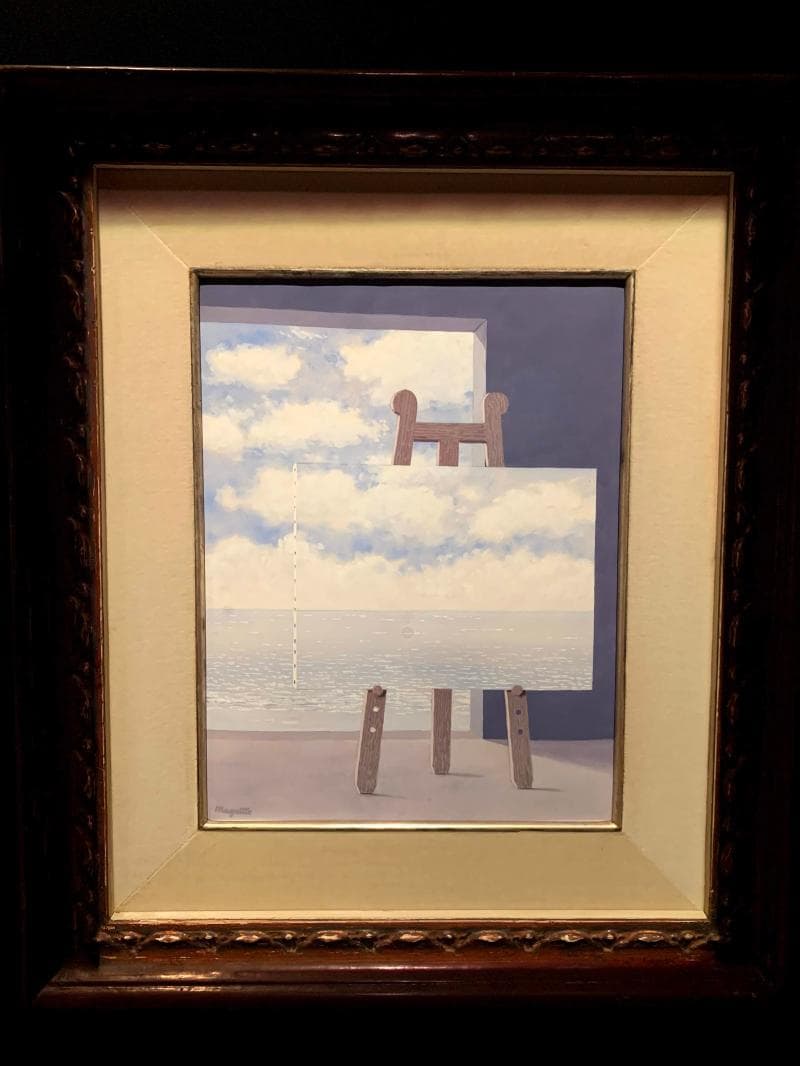
Explore the Magritte Museum's Thematic Galleries in Brussels, Belgium, home to the world's largest collection of René Magritte's surrealist art.
Overview
Nestled in the heart of Brussels, Belgium, the Magritte Museum stands as a captivating tribute to the enigmatic world of René Magritte, one of Belgium's most celebrated surrealist artists. This significant institution forms an integral part of the Royal Museums of Fine Arts of Belgium, housing the world's largest collection of Magritte's works. Visitors can immerse themselves in over 200 original pieces, encompassing a rich tapestry of paintings, drawings, sculptures, and various archival materials that showcase the breadth of his artistic journey. The museum's layout is thoughtfully designed to provide a chronological and thematic exploration of Magritte's life and revolutionary oeuvre, spread across 2,500 square meters of exhibition space.
History & Cultural Background
The Magritte Museum first opened its doors in 2009, bringing together an unparalleled collection dedicated to the surrealist master. It is housed within the grand Hôtel du Lotto, also known as the Hôtel Altenloh, an elegant 18th-century neoclassical building located on the historic Place Royale. This building itself carries a rich past; its facades and porticoes were officially recognized for their architectural and historical significance and protected in 1951. While the Royal Museums of Fine Arts of Belgium took residence in the building in 1962, significant interior transformations occurred during renovations in the 1980s. The decision to dedicate a museum specifically to Magritte underscored the immense importance of his collection and his global artistic renown. Much of the museum's foundational collection stems from generous donations and bequests, notably from Magritte's widow, Georgette Magritte, and his primary collector, Irène Hamoir Scutenaire, ensuring a comprehensive representation of his creative output.
What Makes It Special
What truly sets the Magritte Museum apart is its unparalleled collection – it boasts the largest assemblage of René Magritte's work anywhere in the world, establishing itself as the international reference center for his art. The museum offers visitors a unique chronological and thematic journey, meticulously tracing Magritte's artistic evolution from his early influences to his mature surrealist creations. Beyond his most iconic paintings, the museum also proudly displays works from his lesser-known periods, including the intriguing ‘vache’ period, providing a more complete understanding of his experimental phases. Magritte's remarkable versatility is highlighted through the various techniques and media on display, extending beyond traditional canvas to include gouaches, drawings, sculptures, films, photographs, and even advertising work. This thematic organization allows a deep dive into the recurring motifs, paradoxes, and philosophical questions that defined his art. The museum's setting within a majestic neoclassical building provides a striking architectural counterpoint to the mind-bending surrealist art it contains, creating a unique visitor experience.
Stories, Fun Facts & Local Details
The journey through the Magritte Museum is an unfolding narrative of the artist's mind. On the third floor, visitors are introduced to Magritte's formative years, exploring his early experiments with Impressionism and Cubism, and the pivotal moment of his discovery of de Chirico, which heralded his first forays into Surrealism. Themed showcases here delve into Surrealist archives, shedding light on his contemporaries like E.L.T. Mesens and Paul Nougé, and his connections with French Surrealists such as André Breton, Paul Eluard, and Louis Aragon during his time in Paris. Among the treasures on this floor are two smaller versions of his iconic work, 'The Treachery of Images,' famously inscribed with 'Ceci n'est pas une pipe,' challenging viewers' perceptions of reality. The second floor chronicles his return to Brussels and his 'idiotic works' – commercial advertising art he undertook during the economic crisis of the 1930s. This period, though seemingly mundane, was crucial in shaping his understanding of images and repetition, themes that would become central to his later masterpieces. It also touches upon his 'full sunlight' Surrealism developed during World War II. Finally, the first floor, aptly named 'The Enchanted Domain,' is dedicated to Magritte's mature exploration of repetition and his grand, iconic imagery, featuring masterpieces such as 'The Dominion of Light' and 'The Domain of Arnheim.' A fascinating tidbit reveals that Magritte often created multiple versions of his successful paintings, with 'The Empire of Light' having seventeen known copies, each subtly different, inviting contemplation on originality and perception.
Visitor Perspective
For an optimal experience, visitors are typically advised to begin their exploration on the third floor and descend through the museum, following the chronological and thematic progression of Magritte's life and works. An audio guide is highly recommended to fully appreciate the collection, as on-site signage can be minimal. These guides are available for adults, teenagers, and children, offering insightful commentary in multiple languages. Most visitors find that 1 to 2 hours is a sufficient amount of time to explore the museum thoroughly. The interior lighting is intentionally dim, creating an atmospheric and contemplative mood that enhances the viewing of the art, though it may not be ideal for photography. Before or after delving into Magritte's surreal universe, visitors can browse the museum's shop, which offers a range of themed souvenirs and publications. The Magritte Museum is consistently cited as a must-visit destination for art enthusiasts and anyone curious to delve into the profound and often whimsical world of Surrealism, offering a unique opportunity to question the nature of reality and perception through the eyes of a master.
Coordinates: 4.3586, 50.8424
View on Google Maps💬 How Travelers Describe This Place
Based on community votes
Beautiful
831Photogenic
685Interesting
433Must See
232Unique
211
Traveler Stories
Discover memorable experiences shared by travelers who have visited this place.
No traveler stories yet.
Be the first traveler to share what made this place memorable.

Tour
By
Spot
Discover amazing places around the world. Your journey starts here.
Explore
© 2026 TourBySpot. All rights reserved.