Archives
Brussels, Belgium
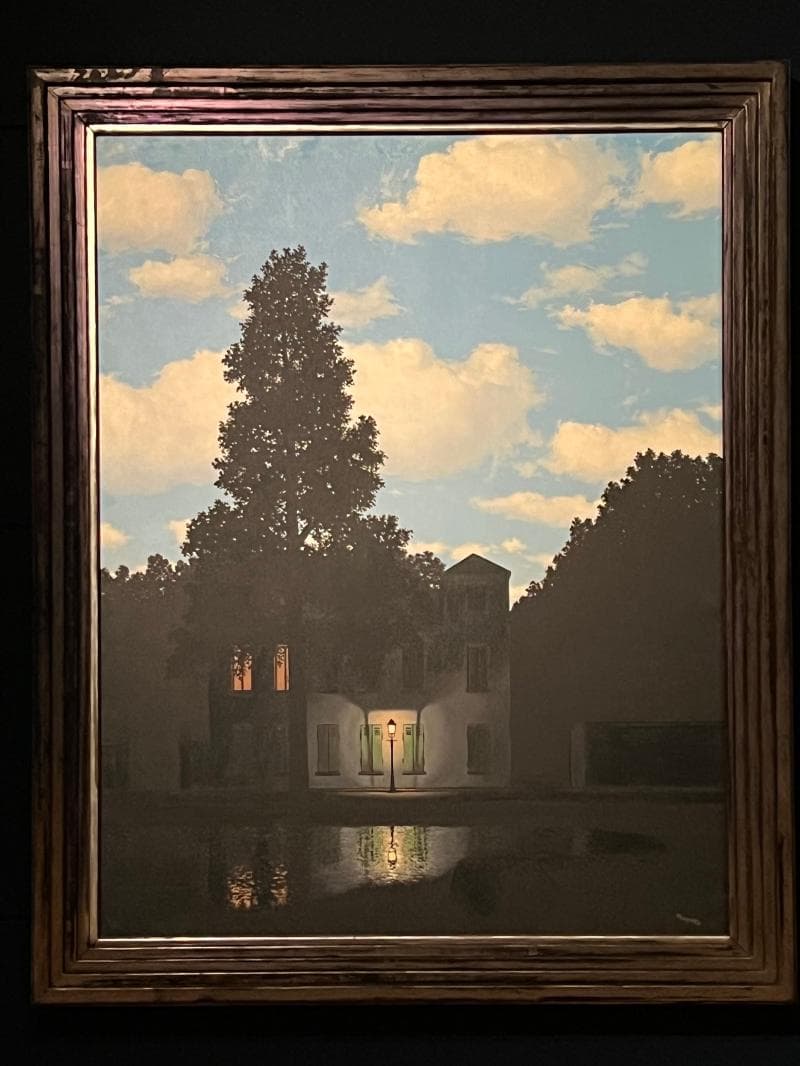
Explore the extensive Archives of the Magritte Museum in Brussels, Belgium, revealing René Magritte's life, works, and surrealist influences.
Overview
The Magritte Museum in Brussels, Belgium, a vital institution dedicated to the enigmatic surrealist René Magritte, houses a profound collection extending beyond his iconic canvases to encompass extensive 'Archives'. These archives are not a separate, publicly exhibited gallery space in the traditional sense, but rather a treasure trove of historical documents, photographs, letters, films, and other ephemera that collectively paint a comprehensive picture of Magritte's life, his creative process, and his connections within the Surrealist movement. They form an indispensable part of the Royal Museums of Fine Arts of Belgium's broader collection, enriching the understanding and interpretation of Magritte's celebrated artworks.
The 'Archives' delve into the very essence of Magritte's existence and artistic evolution, offering researchers and curious visitors alike an intimate glimpse into the mind of one of the 20th century's most influential artists. They comprise a diverse range of materials that reveal the nuances of his intellectual pursuits, his personal relationships, and the broader cultural context in which his groundbreaking art emerged.
History & Cultural Background
The foundation of the Magritte Museum's 'Archives' is deeply intertwined with the broader history of the Royal Museums of Fine Arts of Belgium's commitment to preserving Belgian artistic heritage. Surrealism, a pivotal artistic and literary movement, found a strong foothold in Belgium, and René Magritte stood at its forefront. The archival collection therefore includes not only materials directly from or about Magritte but also documents pertaining to other key figures of Belgian Surrealism, such as E.L.T. Mesens, Marcel Lecomte, Camille Goemans, Paul Nougé, and Louis Scutenaire.
These invaluable historical materials have been amassed through astute acquisitions and generous donations, crucially including bequests from Magritte's widow, Georgette Magritte, and other primary collectors. This concerted effort ensures that the legacy of Magritte and his contemporaries is meticulously preserved for future generations, providing critical context for his art. The institutional Archives of the Royal Museums of Fine Arts of Belgium (ARMFAB) further complement these materials, offering a comprehensive historical record.
What Makes It Special
What truly sets the 'Archives' of the Magritte Museum apart is their comprehensive nature and the unique insight they offer into the artist's multifaceted creativity. They allow for a deeper exploration of Magritte's world, extending beyond the finished artworks to encompass his experiments with various media, his intellectual journey, and his engagements with the avant-garde.
This collection is not merely a dusty compilation of old papers; it is a dynamic resource that brings Magritte's world to life. Researchers can consult manuscripts, personal letters that illuminate his thoughts and relationships, rare photographs capturing moments from his life, and even advertising posters and musical scores he created. The online catalogue, ARCHIBALD, provides accessibility to over 600 Magritte-related documents, making this rich resource available for in-depth study.
Stories, Fun Facts & Local Details
Among the fascinating details uncovered within the 'Archives' are René Magritte's forays into amateur filmmaking. Between 1956 and 1967, Magritte and his close circle filmed surrealist scenes, offering a rarely seen, candid perspective of the artist's playful and experimental spirit outside of his painting. These films provide a unique glimpse into his personal life and the camaraderie of the Surrealist group.
The archives also reveal Magritte's early career, including his commercial work designing advertising posters and wallpaper patterns, which helped fund his fine art practice. Furthermore, the museum holds a significant collection from Magritte's less-known but intriguing 'vache' period, showcasing his versatility and willingness to experiment, a facet richly informed by the archival context. These documents often present a more intimate and human side of Magritte, who, despite his reserved public persona, engaged deeply with his peers and his art.
Visitor Perspective
While the 'Archives' themselves are primarily a research resource, elements from this extensive collection are skillfully integrated into the overall visitor experience at the Magritte Museum. Throughout the museum's three floors, which chronologically trace Magritte's artistic evolution, visitors encounter not only his paintings but also documentary photographs, quotes, and excerpts from his correspondence.
Audio guides often reference details drawn from these archives, providing anecdotes and deeper explanations of the artworks, allowing even casual visitors to connect with the historical and personal context of Magritte's creations. For those with a more academic interest, the Royal Museums of Fine Arts of Belgium's library offers access to numerous publications on René Magritte and Surrealism, providing a pathway to consult these rich archival resources firsthand. This blend of visible art and accessible historical background ensures a comprehensive and enriching journey into Magritte's surreal universe.
Coordinates: 4.35861, 50.84194
View on Google Maps💬 How Travelers Describe This Place
Based on community votes
Beautiful
839Photogenic
445Must See
388Unique
289Interesting
141
Traveler Stories
Discover memorable experiences shared by travelers who have visited this place.
No traveler stories yet.
Be the first traveler to share what made this place memorable.

Tour
By
Spot
Discover amazing places around the world. Your journey starts here.
Explore
© 2026 TourBySpot. All rights reserved.