Louvre Museum
Paris, France
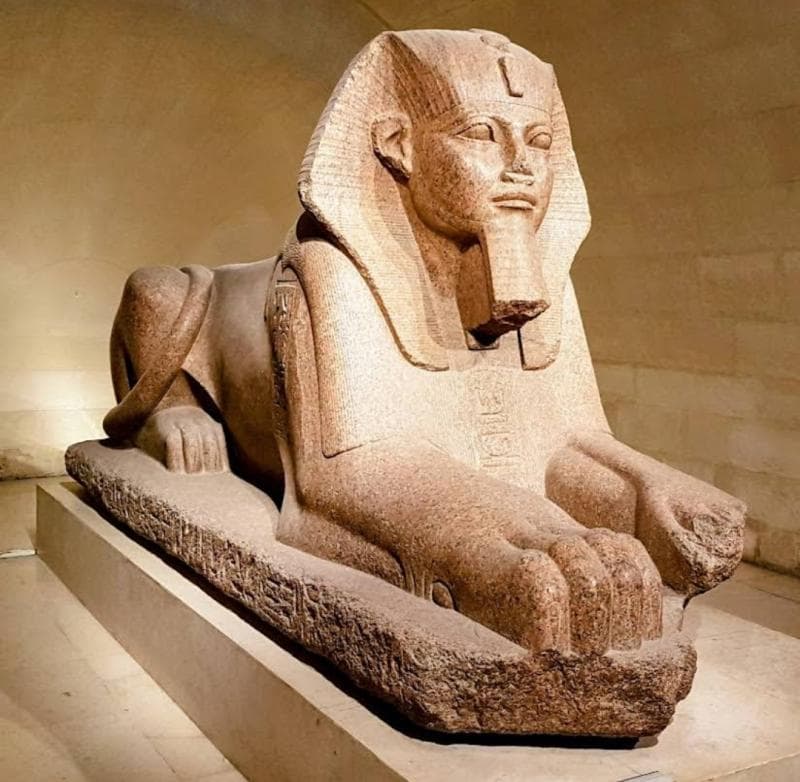
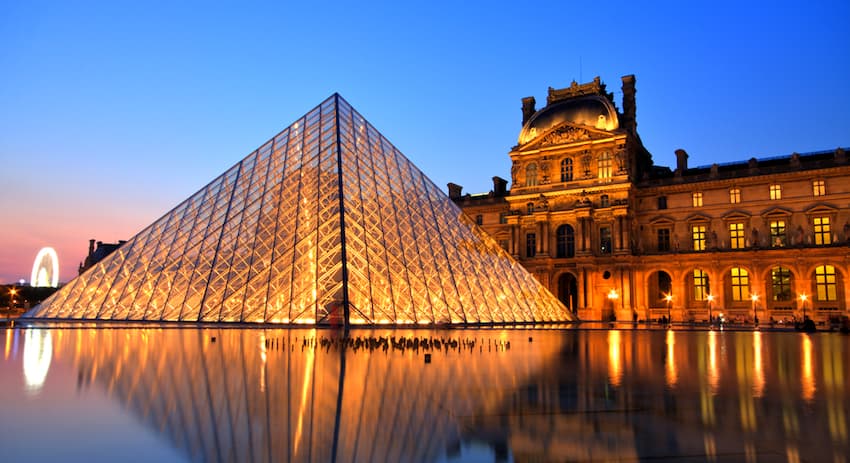
Discover the Louvre Museum in Paris, France. Explore its rich history from fortress to palace, iconic masterpieces like the Mona Lisa, and vast art collections.
Overview
The Louvre Museum, nestled in the heart of Paris, France, stands as a monumental testament to human artistry and history. It is globally recognized as the world's most visited art museum, a magnet for millions seeking to immerse themselves in unparalleled cultural heritage. Housed within the magnificent Louvre Palace, the museum's vast collection spans millennia, showcasing artworks from ancient civilizations to the mid-19th century. Its journey from a medieval fortress to a royal palace and eventually a public museum is as captivating as the masterpieces it safeguards, offering visitors a unique window into Europe's rich past and its artistic evolution.
History & Cultural Background
The story of the Louvre begins in the late 12th century, when it was conceived not as a palace of art, but as a formidable fortress. Built by King Philip II, its primary purpose was to defend Paris from invaders, primarily English forces and Viking raiders. Remnants of these original defensive walls are still visible in the museum's basement, offering a tangible connection to its medieval origins. Over time, as Paris expanded and new fortifications rendered the Louvre's defensive role obsolete, it began its transformation. In the 16th century, King Francis I initiated its conversion into a grand royal residence, a project that was continued and expanded by nearly every subsequent French monarch. These centuries saw the palace grow in size and splendor, adorned with the finest art and architecture of its time.
A pivotal moment occurred in 1682 when King Louis XIV chose to move the royal court to Versailles, effectively diminishing the Louvre's status as a primary royal dwelling. This shift, however, inadvertently paved the way for its future as a cultural institution, with parts of the grand edifice being utilized by artists and writers. The French Revolution marked the most significant turning point. In 1793, the revolutionary government opened the Louvre to the public as the 'Musée Central des Arts,' democratizing access to art that had previously been reserved for royalty and the elite. Initially, the museum displayed 537 paintings, a collection that rapidly grew. Under Napoleon Bonaparte, the museum was temporarily renamed 'Musée Napoleon,' and its holdings expanded significantly, often through military campaigns. However, many of these acquired artworks were returned to their countries of origin after Napoleon's fall in 1814. The 20th century saw further modernization, most notably with the 'Grand Louvre' project in the 1980s, which introduced I.M. Pei's iconic glass pyramid in 1989, a striking contemporary addition to the historic courtyard.
What Makes It Special
The Louvre's undeniable allure stems from its monumental scale and the sheer depth and breadth of its collections. It houses an astounding inventory of approximately 380,000 to 500,000 objects, with around 35,000 to 38,000 artworks on display at any given time, spread across eight curatorial departments. This vast repository encompasses artifacts from prehistoric times to the 19th century, offering a comprehensive journey through human artistic achievement. The museum's fame is inextricably linked to its 'Big Three' masterpieces: Leonardo da Vinci's enigmatic Mona Lisa, the timeless beauty of the Venus de Milo, and the dramatic Winged Victory of Samothrace.
Beyond these celebrated icons, the Louvre's departments—including Egyptian Antiquities, Near Eastern Antiquities, Greek, Etruscan, and Roman Antiquities, Islamic Art, Sculpture, Decorative Arts, and Paintings—each present world-class collections. Visitors can marvel at ancient Egyptian sarcophagi, intricate Islamic ceramics, Roman sculptures, and a breathtaking array of European paintings. The architecture of the Louvre itself is a masterpiece, a seamless blend of centuries of history. The classical grandeur of the palace harmonizes with the modern geometry of I.M. Pei's glass pyramid, creating a unique visual dialogue between past and present.
Stories, Fun Facts & Local Details
The Louvre is not just a collection of art; it is a tapestry woven with countless stories and intriguing details. One oft-repeated fact illustrates its immense scale: it would take approximately 100 days, or three months, to view every piece of art in the museum if one were to spend just 30 seconds on each. The Mona Lisa, while universally famous today, gained much of its widespread recognition after it was stolen in 1911 by an employee, an event that captivated the world's attention. Deep beneath the museum's bustling galleries, visitors can still explore the excavated medieval moat and the original defensive structures of the 12th-century fortress, connecting directly to its earliest incarnation.
Local lore even whispers of supernatural residents. The legend of the 'Ghost of the Tuileries,' a red-clothed entity said to haunt the museum and its adjacent gardens, adds a touch of mystery to its ancient halls. Culturally, the Louvre proudly showcases French artistic prowess, with two-thirds of its approximately 7,500 paintings created by French artists. Even the now-iconic glass pyramid, a symbol of the modern Louvre, was initially met with considerable controversy upon its proposal in the 1980s, proving that even progressive architectural statements can stir strong opinions.
Visitor Perspective
Stepping into the Louvre can be an overwhelming, yet exhilarating, experience due to its sheer size and the density of its collections. To navigate this cultural behemoth effectively, many seasoned travelers recommend thoughtful planning. The museum's official website offers visitor trails that guide you through masterpieces or specific themes, helping to focus your visit and prevent 'museum fatigue.' A focused visit to the highlights might take at least two to four hours, but a more comprehensive exploration could easily fill an entire day or more.
To avoid the famously long queues at the main pyramid entrance, a valuable tip is to use alternative entrances, such as the one accessible through the Carrousel du Louvre shopping mall. For many, visiting on weekdays, especially Wednesday or Friday evenings when the museum has extended hours, can offer a more tranquil experience with fewer crowds. It is also worth noting that admission to the permanent collections is free for all visitors under the age of 18, and often for those under 26 who are residents of the European Economic Area, making it an accessible cultural treasure for younger generations.
Coordinates: 2.3376, 48.8606
View on Google Maps💬 How Travelers Describe This Place
Based on community votes
Must See
896Photogenic
585Unique
550Interesting
56Beautiful
28
Traveler Stories
Discover memorable experiences shared by travelers who have visited this place.
No traveler stories yet.
Be the first traveler to share what made this place memorable.
Things to see at Louvre Museum



Tour
By
Spot
Discover amazing places around the world. Your journey starts here.
Explore
© 2026 TourBySpot. All rights reserved.