Mona Lisa
Paris, France
Discover the Mona Lisa, Leonardo da Vinci's iconic masterpiece, at the Louvre Museum in Paris, France. Unravel its history, mysteries, and visitor tips.
Overview
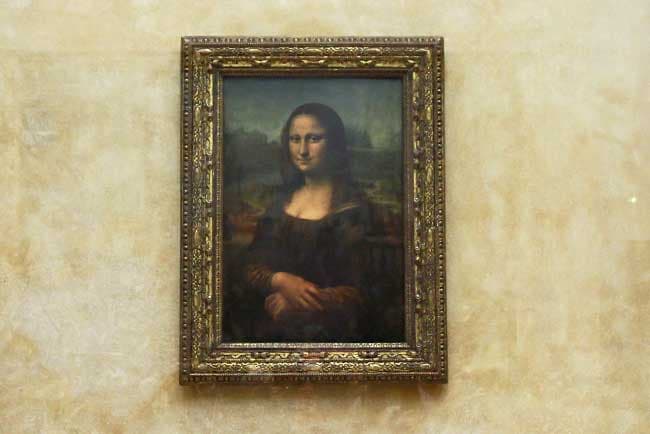
Deep within the sprawling grandeur of the Louvre Museum in Paris, France, resides one of humanity's most iconic artistic treasures: the Mona Lisa. This half-length portrait, painted by the Italian Renaissance master Leonardo da Vinci, is widely considered the most famous painting in the world. Its modest dimensions belie its immense cultural weight, drawing millions of visitors annually to gaze upon its legendary allure.
The painting features a woman, traditionally identified as Lisa del Giocondo, seated in a three-quarter pose against a distant, ethereal landscape. What truly captivates viewers is her enigmatic expression, often described as a subtle, mysterious smile, which seems to shift and play depending on the viewer's perspective. It is a masterpiece not only of artistic technique but also of profound psychological insight, inviting endless contemplation and interpretation.
History & Cultural Background
Leonardo da Vinci began working on the Mona Lisa, also known as 'La Gioconda' in Italian, around 1503 in Florence. While some scholars suggest he completed it by 1506, he may have continued refining it until as late as 1517 or even 1519, the year of his death. Interestingly, Leonardo never delivered the painting to the Giocondo family. Instead, it accompanied him to France, where it was acquired by King Francis I after the artist's passing in 1519, becoming a cherished part of the French royal collection.
For centuries, the portrait remained primarily within royal residences, including the Palace of Versailles. Following the French Revolution, it became the property of the French people and was eventually installed in the Louvre Museum by 1797 or 1804. Napoleon Bonaparte himself, during his reign, briefly adorned his bedroom at the Tuileries Palace with the Mona Lisa. However, its global fame truly exploded after its sensational theft from the Louvre in 1911 by an Italian handyman named Vincenzo Peruggia. The painting was recovered in 1914, and the widespread publicity surrounding the event cemented its status as a cultural icon. Leonardo's revolutionary use of the three-quarter pose and the subtle sfumato technique profoundly influenced subsequent Renaissance portraiture, setting new standards for artistic expression.
What Makes It Special
The Mona Lisa's enduring appeal stems from several groundbreaking artistic elements. Foremost is its subject's captivating and often-debated smile. Leonardo's mastery of 'sfumato'—a technique involving delicate, imperceptible gradations of light and shadow—creates a soft, hazy effect that blurs outlines and imbues the face with a lifelike, almost breathing quality. This allows the smile to appear or disappear depending on the viewer's angle, adding to its mysterious nature.
Furthermore, Leonardo's profound understanding of human anatomy and light is evident in the subtle modeling of forms and the way the eyes seem to follow the observer, regardless of their position in the room. The painting's background, a fantastical, winding landscape, seamlessly merges with the figure, creating a harmonious composition that reflects Leonardo's belief in the cosmic connection between humanity and nature. These innovative techniques, combined with its dramatic history and the artist's legendary genius, elevate the Mona Lisa beyond a mere portrait to a timeless masterpiece of emotional depth and technical brilliance.
Stories, Fun Facts & Local Details
- The Name's Origin: While famously known as the Mona Lisa, the painting's Italian title, 'La Gioconda,' is a pun on the sitter's married name, Lisa del Giocondo, as 'gioconda' also means 'jocund' or 'happy' in Italian.
- Napoleon's Bedroom Decor: Before its permanent display in the Louvre, the painting spent about four years in Napoleon Bonaparte's private chambers at the Tuileries Palace.
- The World's Most Expensive Painting: While priceless, the Mona Lisa has been valued at approximately $870 million, making it one of the most expensive artworks in history, though French heritage law prohibits its sale.
- Security Measures: The painting is housed in a purpose-built, climate-controlled enclosure behind thick, bulletproof glass, a necessity given several past vandalism attempts, including a thrown rock, red paint, and a teacup.
- The Throngs of Admirers: An astonishing statistic reveals that over 80% of all visitors to the Louvre Museum make a point to see the Mona Lisa, highlighting its unparalleled drawing power. Due to its immense popularity, a specific queuing system is in place, often allowing visitors only about 30 seconds for viewing.
Visitor Perspective
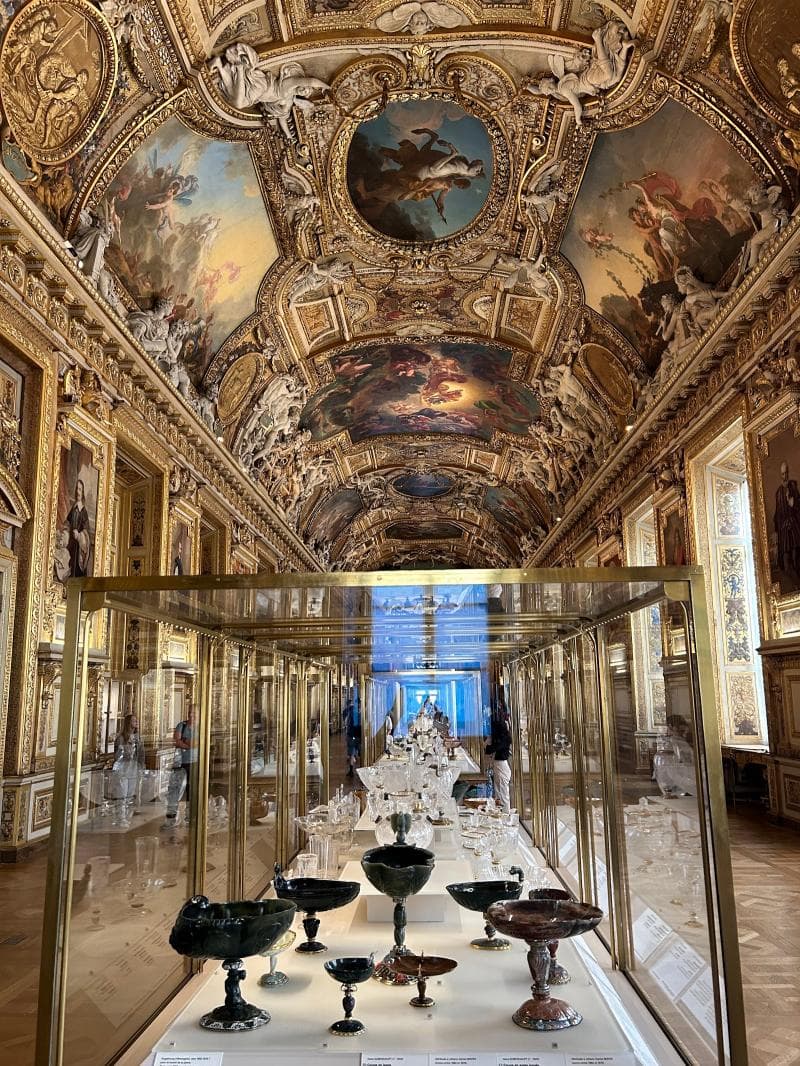
Experiencing the Mona Lisa at the Louvre Museum is a pilgrimage for art lovers and curious travelers alike. The painting is prominently displayed in the Denon Wing, specifically in the spacious Salle des États (Room 711). Visitors should anticipate significant crowds, as it is, without a doubt, the most sought-after attraction in the museum.
To make the most of your visit, consider arriving shortly after the museum opens or later in the evening, particularly on Friday night openings, to potentially encounter fewer people. There is no separate ticket required to see the Mona Lisa; a standard Louvre Museum admission ticket grants full access. While you won't be able to get extremely close due to the protective barriers and glass, focusing on appreciating the artwork itself rather than just getting a photo can enhance the experience. Many visitors find approaching from the right side offers a good vantage point. Remember, the Louvre is vast, so after admiring Leonardo's masterpiece, be sure to explore the countless other treasures housed within this magnificent museum, some of which are located just steps away from the Mona Lisa, like Veronese's 'The Wedding at Cana'.
Coordinates: 2.3376, 48.8606
View on Google Maps💬 How Travelers Describe This Place
Based on community votes
Photogenic
692Beautiful
674Must See
503Interesting
261Unique
49
Traveler Stories
Discover memorable experiences shared by travelers who have visited this place.
No traveler stories yet.
Be the first traveler to share what made this place memorable.

Tour
By
Spot
Discover amazing places around the world. Your journey starts here.
Explore
© 2026 TourBySpot. All rights reserved.