Little India
Singapore, Singapore
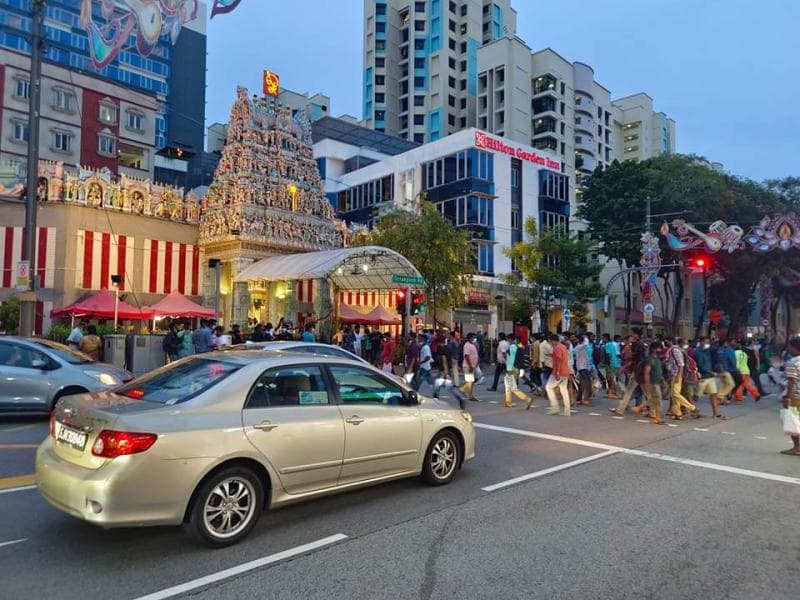
Explore Singapore's vibrant Little India, a historic district brimming with colorful temples, aromatic spices, and unique cultural experiences.
Overview
Step into Little India, Singapore's vibrant ethnic enclave, and immerse yourself in a world rich with sensory delights. This bustling district, located east of the Singapore River, offers a captivating blend of traditional Indian culture and contemporary life. The air is often filled with the intoxicating aromas of spices and jasmine flowers, while the sounds of Indian music drift from shops, creating an immediate sense of being transported to a different land. Little India is not merely a tourist destination; it is a living, breathing community that continues to uphold its authenticity as a cultural and trade center.
History & Cultural Background
Little India's story begins in the early 19th century. Interestingly, it was not initially designated for Indian migrants by Sir Stamford Raffles' town plan. Instead, the area around Serangoon Road, its main commercial thoroughfare, first attracted Europeans in the 1840s due to its proximity to horse-racing courses. The precinct later became a hub for cattle trading, especially along the Serangoon River, which provided ample water for livestock. This burgeoning cattle industry drew numerous Indian migrant workers, who found employment specializing in cattle rearing. Many of these workers stayed, and over time, the neighborhood evolved into a predominantly South Asian community. Early Indian immigrants, particularly Tamils from South India, established shops, temples, and mosques, laying the foundation for the vibrant cultural stronghold we see today. In recognition of its historical and cultural significance, Little India was officially gazetted as a conservation area on 7 July 1989, preserving its unique heritage.
What Makes It Special
Little India is special for its concentration of cultural landmarks and its persistent vibrancy. One of its most striking features is the array of beautifully decorated Hindu temples, such as the Sri Veeramakaliamman Temple and the Sri Srinivasa Perumal Temple, both found along Serangoon Road. These ancient temples, dedicated to various Hindu deities, are not just architectural marvels but also active centers of worship, offering visitors a glimpse into spiritual practices. The Tekka Centre stands as the district's bustling heart, combining a wet market, hawker center, and shops selling traditional Indian clothing and delights. For a comprehensive look into the Indian community's journey in Singapore, the Indian Heritage Centre offers interactive exhibits and artifacts tracing their history. Additionally, the Little India Arcade, housed in a 1920s shophouse building, provides a treasure trove of traditional Indian goods, from intricate jewelry to handwoven textiles and henna artistry. The colourful shophouses themselves, often adorned with vibrant murals and street art, contribute significantly to the area's unique aesthetic.
Stories, Fun Facts & Local Details
Little India is full of fascinating stories and local quirks. The area was once known as 'Soonambu Kambam' or 'Village of Lime' in Tamil, due to the lime pits and brick kilns where many Indians found employment in the 1820s. Several street names, like Dunlop Street and Clive Street, still bear the names of influential European families who resided there in the 1840s, a testament to its diverse past. A prominent landmark is the Residence of Tan Teng Niah, a last surviving Chinese villa built in the 1900s within the district. Its colourful facade makes it a popular spot for photography, showcasing the area's multicultural architectural influences. The district truly comes alive during festivals such as Deepavali (the 'Festival of Lights') and Pongal, when the streets are adorned with spectacular light-ups, bazaars, and celebratory activities. Culinary adventures are also a highlight; many eateries along Race Course Road offer iconic dishes like fish head curry, often served on a traditional banana leaf, providing an authentic dining experience.
Visitor Perspective
Little India is best explored on foot, allowing you to fully immerse yourself in its vibrant atmosphere. Walking through its streets, you'll encounter a rich tapestry of sights, sounds, and scents – from fresh flower vendors creating garlands for religious offerings to bustling markets brimming with spices and textiles. Weekday mornings offer a calmer experience for market visits, while evenings and weekends buzz with enhanced activity, street food stalls, and celebrations. The Indian Heritage Centre and various heritage trails, such as those highlighting places of worship or street art, provide structured ways to delve deeper into the area's history and culture. Be sure to dress modestly when visiting temples and remove your footwear before entering. Whether you're seeking a historical journey, a culinary exploration, or simply a vibrant cultural encounter, Little India promises an unforgettable experience in the heart of Singapore.
Coordinates: 103.85177, 1.30805
View on Google Maps💬 How Travelers Describe This Place
Based on community votes
Interesting
722Unique
698Must See
276Beautiful
126Photogenic
19
Traveler Stories
Discover memorable experiences shared by travelers who have visited this place.
No traveler stories yet.
Be the first traveler to share what made this place memorable.
Things to see at Little India



Tour
By
Spot
Discover amazing places around the world. Your journey starts here.
Explore
© 2026 TourBySpot. All rights reserved.