Campbell Lane
Singapore, Singapore
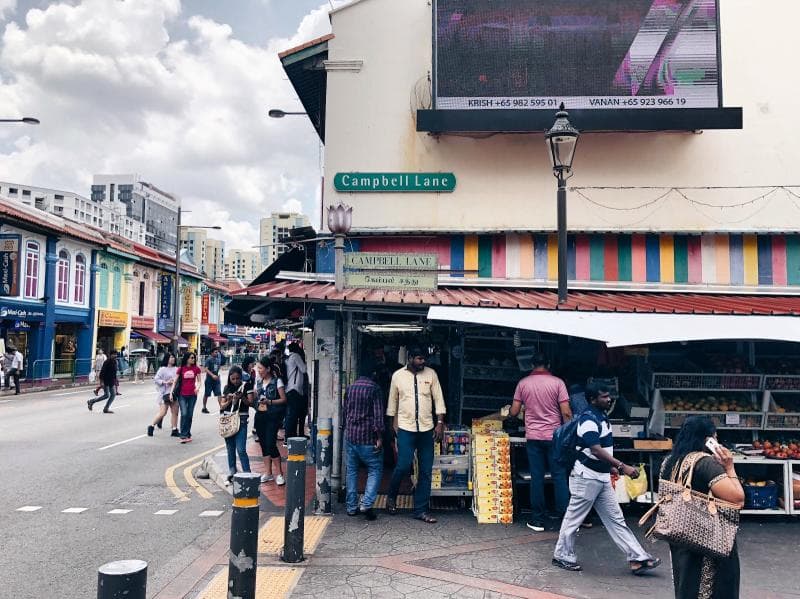
Discover Campbell Lane in Little India, Singapore. Explore vibrant cultural stalls, the Indian Heritage Centre, authentic sweets, and flower garlands.
Overview
Campbell Lane, nestled within the vibrant enclave of Little India in Singapore, is more than just a street; it is a sensory journey into the heart of Indian culture. This lively pedestrianised lane, connecting Serangoon Road and Clive Street, offers a concentrated experience of the sights, sounds, and aromas that define the district. From fragrant flower garlands to the tantalising scent of spices, Campbell Lane serves as a dynamic microcosm of Singapore's rich Indian heritage, welcoming curious travellers to explore its colourful traditions and bustling atmosphere. It has become a significant focal point, especially with the presence of the modern Indian Heritage Centre, which grounds the lane in historical context while it continues to thrive as a commercial and cultural hub.
History & Cultural Background
Campbell Lane holds a fascinating history that mirrors the evolution of Little India itself. It was officially named after Robert Campbell, a British managing partner of Martin Dyce & Co. in the late 1870s, who also served as a member of the Legislative Council. Historically, the area around Campbell Lane was once a meatpacking district, reflecting Singapore's colonial past and the various trades that sustained its early communities. As the Indian community in Singapore grew, particularly with early settlers engaged in cattle rearing and other industries along Serangoon Road, the lane naturally developed into a vibrant commercial and cultural centre. The Indian Heritage Centre, a prominent fixture on Campbell Lane, was officially opened in May 2015 by Prime Minister Lee Hsien Loong. This modern institution provides deep insights into the journeys of Indian and South Asian communities in Singapore and the wider Southeast Asian region, offering a crucial historical anchor to the bustling present-day lane. The architectural design of the centre's facade, inspired by the 'baoli', or Indian stepwell, subtly weaves traditional Indian motifs into a contemporary structure, symbolising a bridge between past and present.
What Makes It Special
What sets Campbell Lane apart is its immersive and authentic cultural tapestry. It is home to the Little India Arcade, a charming cluster of conserved shophouses where visitors can discover an array of traditional Indian goods, from aromatic spices and religious items to vibrant Bollywood DVDs, bindis, and bangles. This arcade provides a glimpse into a genuine community market, less polished than modern malls, offering a truly unique shopping experience. Along the lane, numerous stalls and shops burst with colour and activity, selling freshly prepared traditional Indian sweets like 'gulab jamun' and 'jalebi', exquisite textiles, intricate henna art, and beautifully carved wooden idols. A particularly striking feature is the presence of flower garland makers, who meticulously string together fresh jasmine, rose, and marigold blossoms. These garlands are not merely decorative; they hold significant cultural value, used as offerings in temples, symbols of respect for guests, and adornments for Indian women during celebrations. Furthermore, Campbell Lane transforms into a dazzling festival village during Deepavali, the Festival of Lights, becoming a focal point for celebrations with elaborate decorations, temporary stalls, and a joyous atmosphere.
Stories, Fun Facts & Local Details
Campbell Lane is steeped in stories, offering a peek into the lives and traditions of Singapore's Indian community. One interesting fact is that Mustafa Centre, the renowned 24-hour shopping mecca in Little India, began its humble origins as a small shop right on Campbell Lane in 1971 before expanding into the massive department store it is today. The pedestrianisation of a significant portion of Campbell Lane in 2015 enhanced its role as a public space, making it more accessible and pleasant for both locals and visitors to stroll and soak in the vibrant ambiance. The lane is also known for its street art and murals that narrate the area's rich heritage, adding another layer of visual storytelling to the experience. For those interested in local narratives, the story of P. Govindasamy Pillai, an immigrant who arrived with little and built a textile empire, is often associated with the entrepreneurial spirit of early Indian settlers in the area, contributing to its commercial vibrancy. The aroma of spices, the sound of devotional music emanating from nearby temples, and the vibrant hues of saris and flower stalls all combine to create a truly immersive sensory experience, transporting visitors far from the typical urban landscape.
Visitor Perspective
For a curious traveller, Campbell Lane offers an incredibly rich and accessible introduction to Indian culture in Singapore. It provides a unique opportunity to witness traditional trades still in practice, from garland making to the sale of traditional attire and sweets, offering a genuine connection to the local community. The Indian Heritage Centre serves as an excellent starting point, providing valuable historical context that enhances the appreciation of everything else in the neighbourhood. After exploring the museum's exhibits, a walk along Campbell Lane allows visitors to connect the historical narrative with the living culture outside, seeing the trades, traditions, and institutions that shaped the community come to life. Whether you are seeking unique souvenirs, wishing to indulge in authentic Indian sweets, or simply wanting to immerse yourself in the district's distinctive atmosphere, Campbell Lane delivers an experience that is both educational and deeply engaging. It is a place where Singapore's multicultural character shines brightly, inviting exploration at a leisurely pace.
Coordinates: 103.8523, 1.3057
View on Google Maps💬 How Travelers Describe This Place
Based on community votes
Must See
722Interesting
595Unique
358Photogenic
196Beautiful
19
Traveler Stories
Discover memorable experiences shared by travelers who have visited this place.
No traveler stories yet.
Be the first traveler to share what made this place memorable.

Tour
By
Spot
Discover amazing places around the world. Your journey starts here.
Explore
© 2026 TourBySpot. All rights reserved.